Équipements de séparation magnétique et solutions magnétiques sur mesure
Séparation Magnétique OSENC Demander une recommandation

INDUSTRIAL MAGNETIC SEPARATION SOLUTIONS

Magnetic Separation Solutions Built Around Your Material and Process

We help you identify where ferrous contamination enters your process, select the right magnetic separator, and configure it around your material, capacity, working distance, cleaning needs, and installation conditions.

Magnetic Separation Solutions for Different Material Flows

We do not recommend one separator for every application. We match the equipment to where the material flows, how the ferrous contamination is carried, how deeply it is buried, and how the captured metal must be removed.
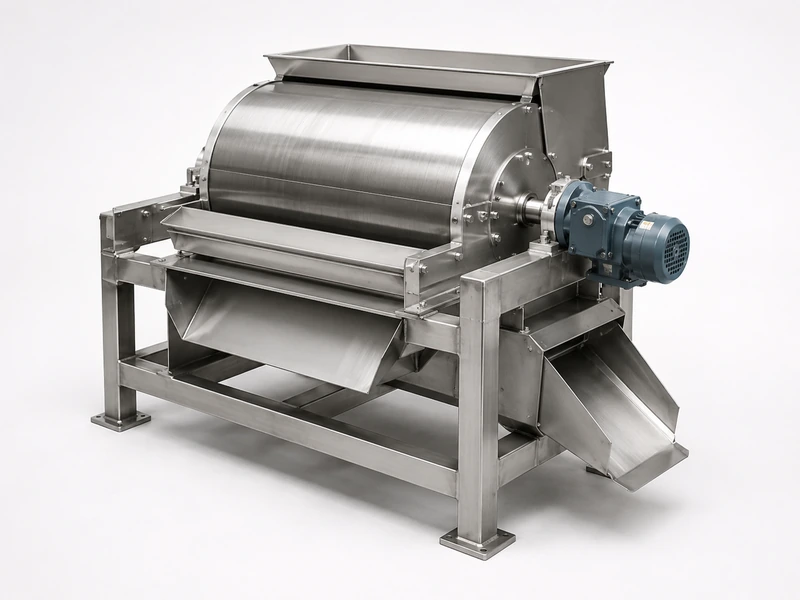
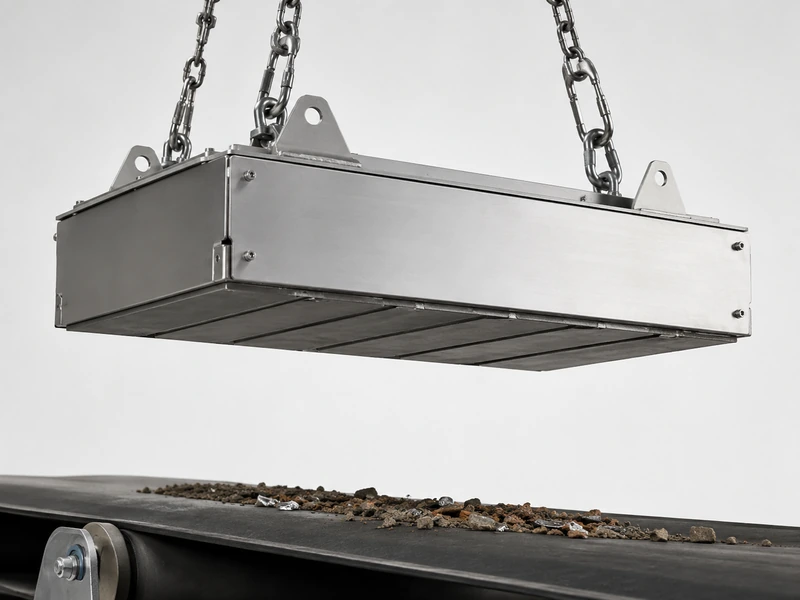
magnetic drum separator

Magnetic Drum Separators

suspended magnet

Suspended Magnets

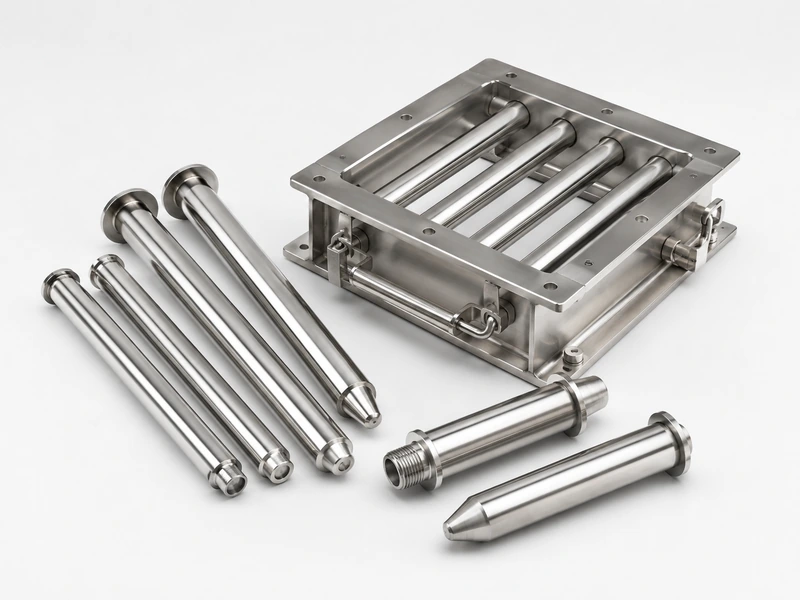
magnetic grates tubes

Magnetic Grates & Tubes

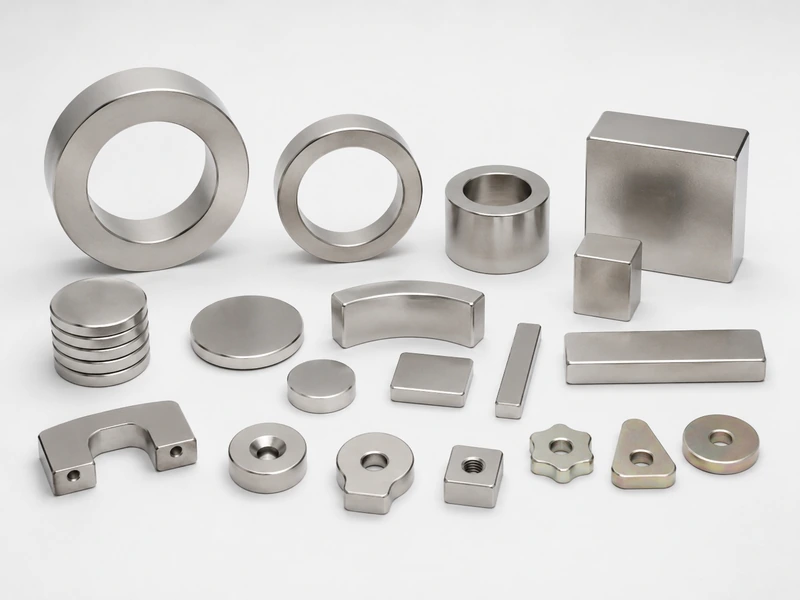
custom neodymium magnets

Aimants en néodyme personnalisés

We Help You Match the Separator to the Material Flow

The strongest-looking magnet is not automatically the correct solution. We first identify the separation point, contaminant type, material depth, working distance, and cleaning requirement before recommending the equipment concept.

SolutionWhen We Recommend ItProblem SolveWhat We Review
Séparateur magnétique à tambourMaterial must pass continuously through a magnetic separation pointRecover or remove ferrous particles without interrupting bulk flowMaterial type, particle size, capacity, feed depth, drum dimensions and discharge layout
Aimant suspenduTramp iron is carried on a conveyor beltProtect crushers, shredders, screens and other downstream equipmentBelt width, belt speed, burden depth, contaminant size and suspension height
Magnetic Grate or TubePowder or granules pass through a hopper, chute or free-fall lineCapture fine iron contamination before further processing or packingFlow opening, material behavior, temperature, contamination level and cleaning access
Custom Magnetic SolutionStandard equipment cannot fit the space or magnetic requirementProvide the required magnetic function within project-specific limitsShape, force, dimensions, coating, temperature, mounting and assembly method

What We Review Before Recommending a Magnetic Separator

We use your operating conditions to determine whether the magnet can reach the contaminant, handle the material flow, fit the available space, and remain practical to clean and maintain.

How Your Material Flows

We review whether the material is dry, wet, sticky, dusty, abrasive, free-flowing, or likely to bridge. This helps us avoid recommending a structure that restricts flow or creates frequent blockages.

What You Need to Remove

We identify whether the target is large tramp iron, bolts, wire, iron chips, fine particles, or weakly magnetic contamination, then match the magnetic circuit and separation point to that objective.

Particle Size & Moisture

We check particle size, density, moisture, and agglomeration because these conditions affect how the material exposes the contaminant to the magnetic field.

Capacity & Material Depth

We review throughput, feed width, belt loading, and layer thickness so the selected equipment can reach the contaminant without becoming a restriction in the process.

Actual Working Distance

We calculate the distance created by belts, covers, chutes, air gaps, and material depth, helping prevent the common mistake of selecting equipment from a surface magnetic value alone.

Cleaning & Maintenance Access

We match the cleaning method and equipment structure to the contamination level, available access, maintenance frequency, and whether manual or continuous cleaning is required.

Magnetic Separation Solutions Across Industrial Processing Lines

We solve each application around the actual material stream rather than the industry label. The same recycling or mining plant may require different separators at different points in the process.
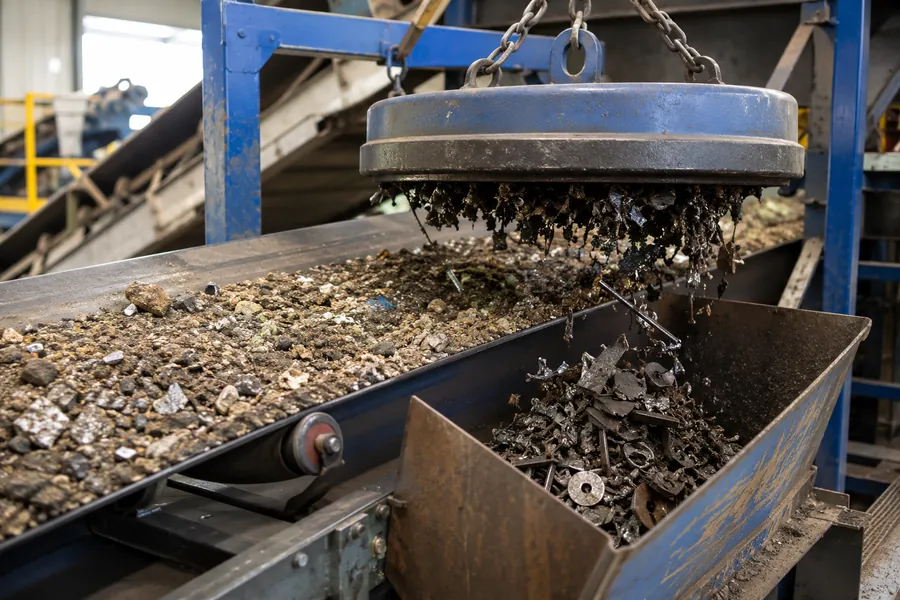
scrap tailing sorting

Scrap & Tailing Sorting

We help recover ferrous material from shredded scrap, mixed residues, and sorting tailings by matching the separator to particle size, feed depth, contamination level, and downstream recovery objectives.
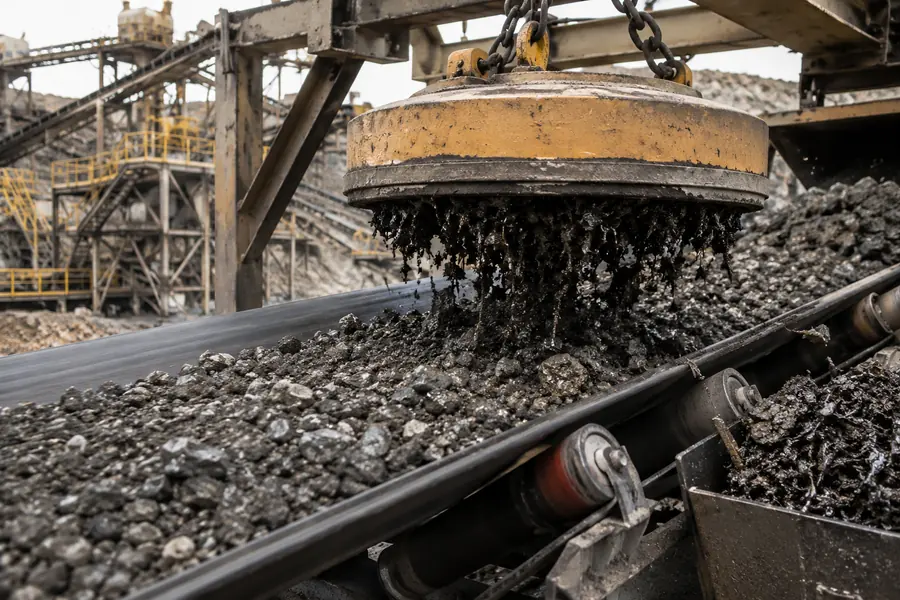
mining mineral processing

Mining & Mineral Processing

We configure magnetic separation for crushed ore, aggregates, slag, and mineral streams to recover magnetic material, reduce unwanted iron, or protect downstream processing equipment.
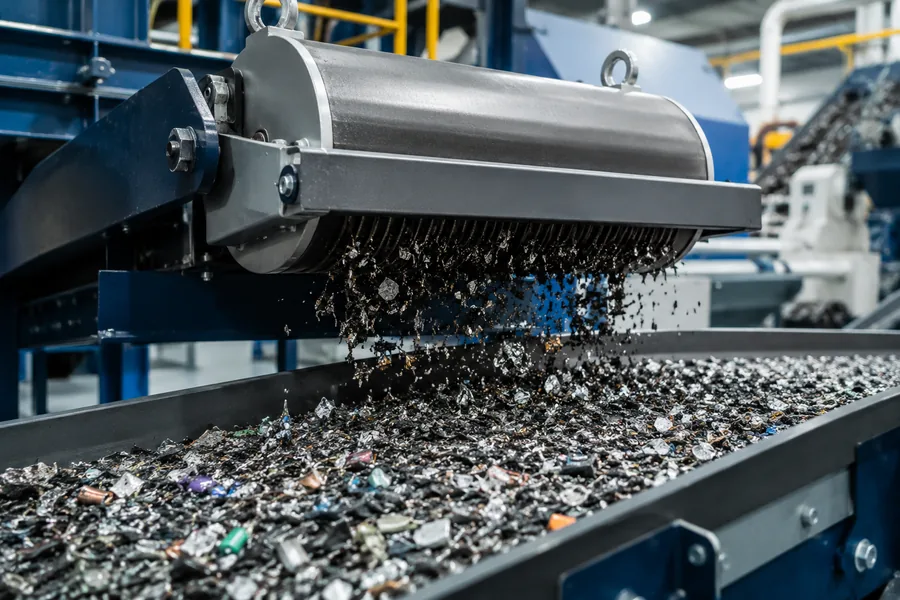
lithium battery recycling

Lithium Battery Recycling

We help remove steel casings, iron fragments, and ferrous components from crushed battery material before downstream non-ferrous, powder, and sensor-based separation stages.
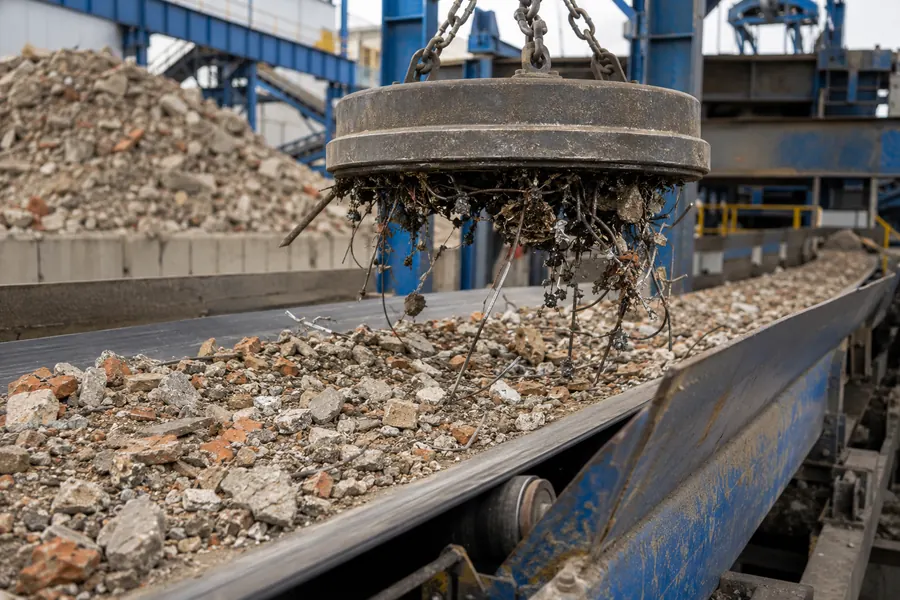
construction waste

Construction Waste

We help remove reinforcing steel, nails, wire, and other tramp iron from crushed construction waste, reducing damage to crushers and improving the purity of recovered aggregates.
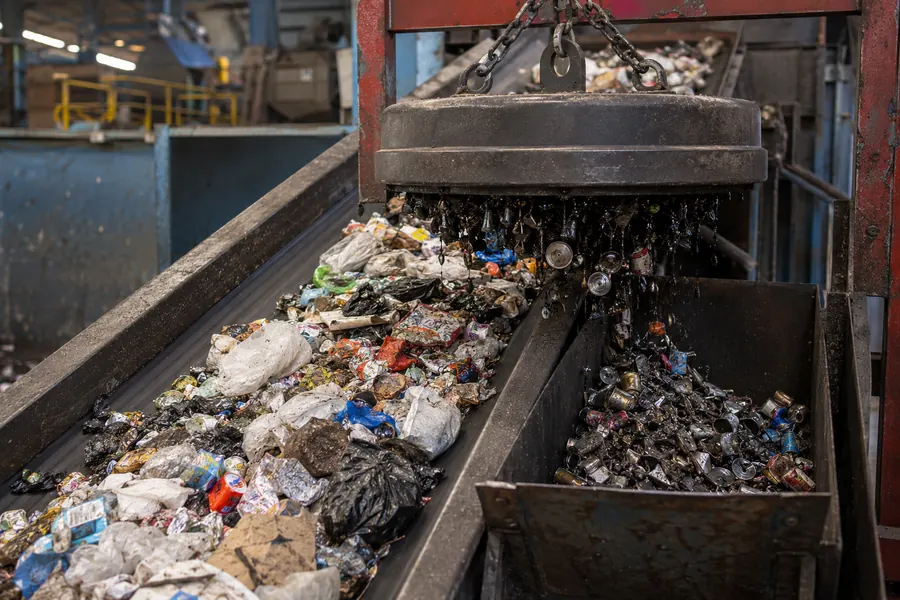
municipal solid waste

Municipal Solid Waste

We configure magnetic recovery points around conveyor width, waste depth, speed, and contaminant size to recover ferrous metal and protect shredding and sorting equipment.
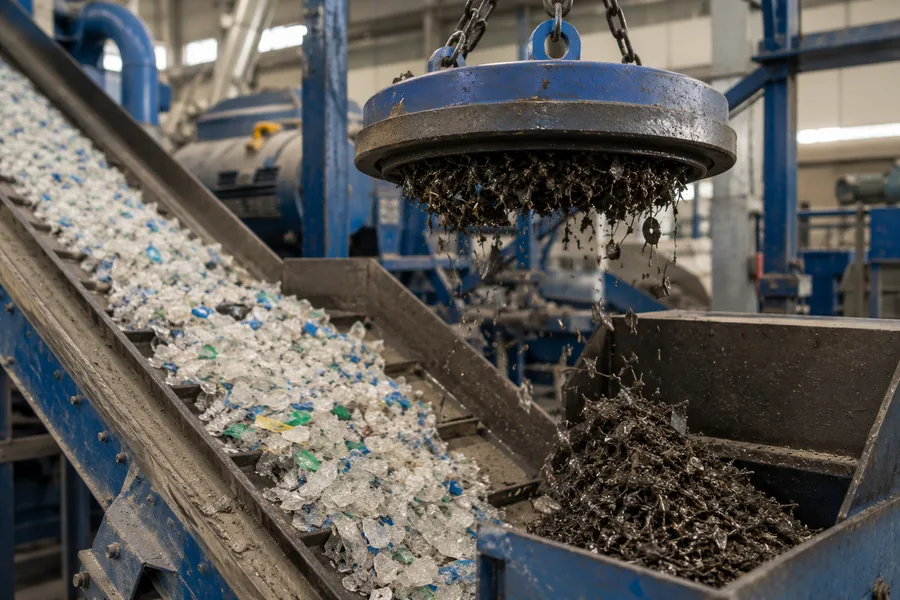
plastics recycling

Plastics Recycling

We help remove iron fragments, wire, and equipment wear debris from shredded plastics, flakes, and pellets before extrusion, washing, sorting, or pelletizing.
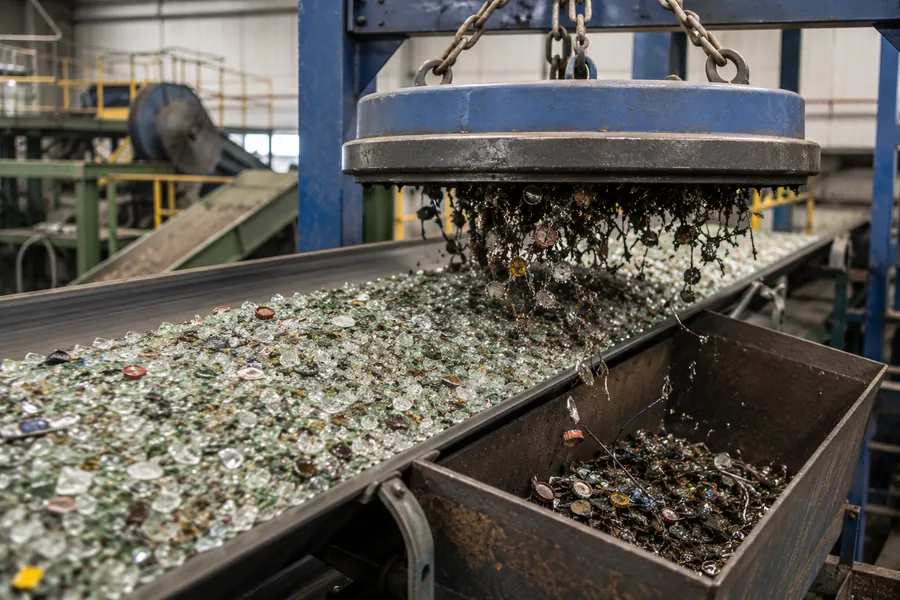
glass recycling

Recyclage du verre

We help remove steel caps, wire, fasteners, and ferrous fragments from recycled glass streams while considering glass particle size, feed stability, and abrasion conditions.
wood paper biomass

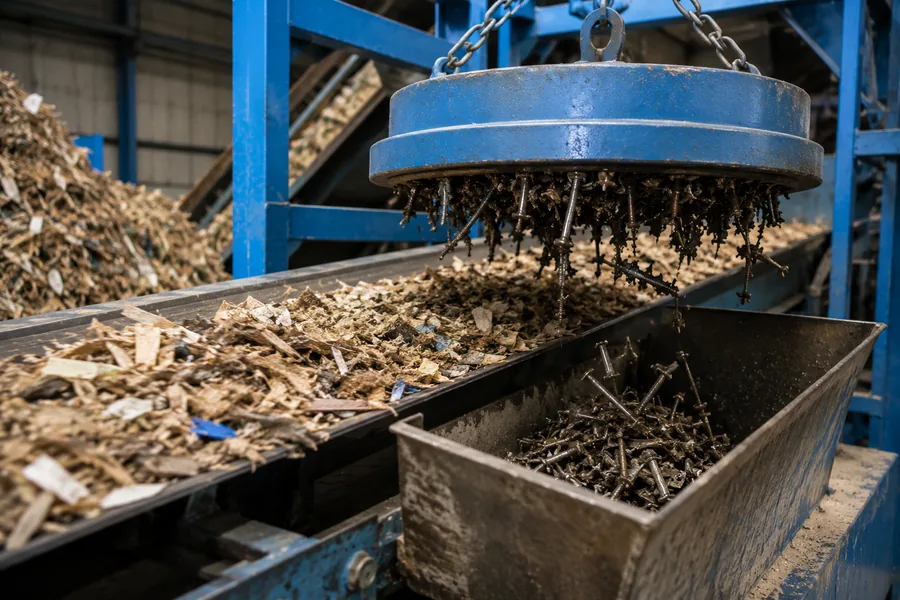
Wood, Paper & Biomass

We help capture nails, staples, wire, and tramp iron before shredding, grinding, pulping, or further processing, protecting equipment and reducing contamination in the recovered material.

Send Us the Separation Problem, Not Just a Product Name

You do not need to select the machine alone. Send us your material photos or videos, contaminant details, particle size, capacity, feed method, working distance, and installation space. We will review the application and recommend the next technical step.

Send My Material Details

ABOUT OSENC

We Solve the Application Before We Supply the Equipment

OSENC supplies magnetic separation equipment and custom magnetic solutions for recycling, mining, bulk material handling, and industrial processing lines.

We do not recommend equipment from an industry name, catalog image, or surface Gauss value alone. We review the complete material path, identify where magnetic separation can create the most value, and configure the equipment around the actual line conditions.

By confirming the material, contaminant, capacity, working distance, installation interface, cleaning method, and inspection requirements before production, we help buyers reduce unsuitable equipment, installation changes, and avoidable project delays.

How We Reduce Risk Before Your Equipment Reaches the Line

Most magnetic separator problems begin before production: the wrong separator type, insufficient working reach, incompatible dimensions, difficult cleaning, or unclear inspection requirements. We address these risks during project review.

We Prevent Incorrect Equipment Selection

We compare the material flow, contaminant, feed depth, capacity, and separation objective before deciding whether the application needs a drum, suspended magnet, grate, tube, or custom solution.

We Check the Real Working Distance

We account for belt thickness, covers, chutes, air gaps, and material depth so the magnetic design is reviewed at the contaminant position, not only at the equipment surface.

We Confirm Installation Interfaces

We review mounting points, chute openings, belt width, flanges, equipment orientation, maintenance clearance, and surrounding structures before manufacturing.

We Design for Practical Cleaning

We match the cleaning structure to the contamination level and maintenance conditions, helping reduce difficult removal, excessive downtime, and unsafe manual handling.

We Define Inspection Requirements

We help confirm what must be measured, where it must be measured, which method will be used, and what records are required before the order enters production.

We Coordinate Delivery Details

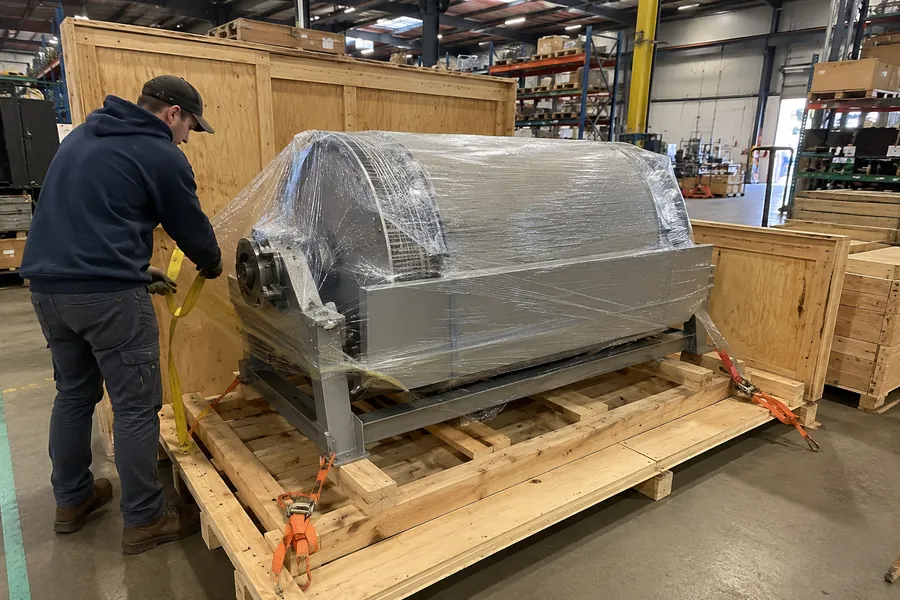
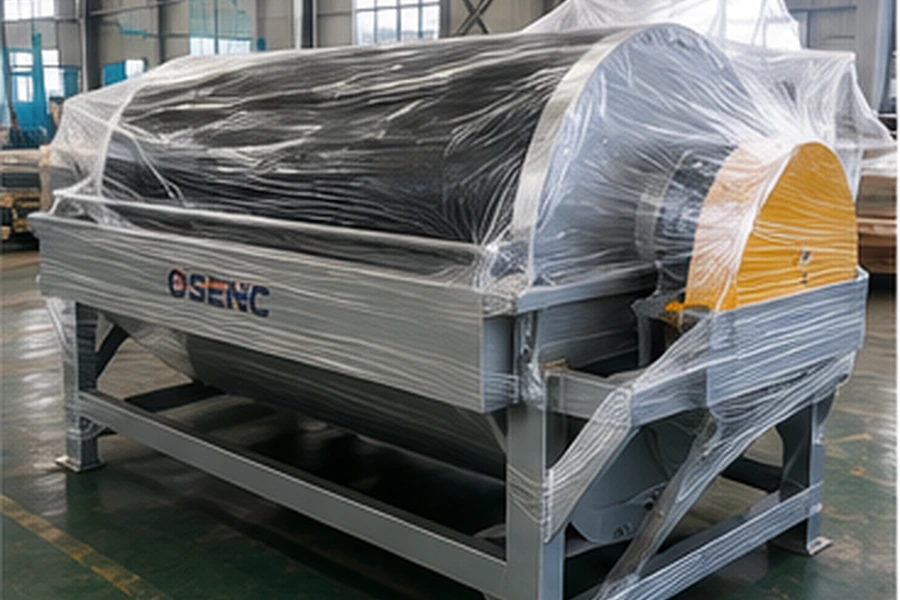
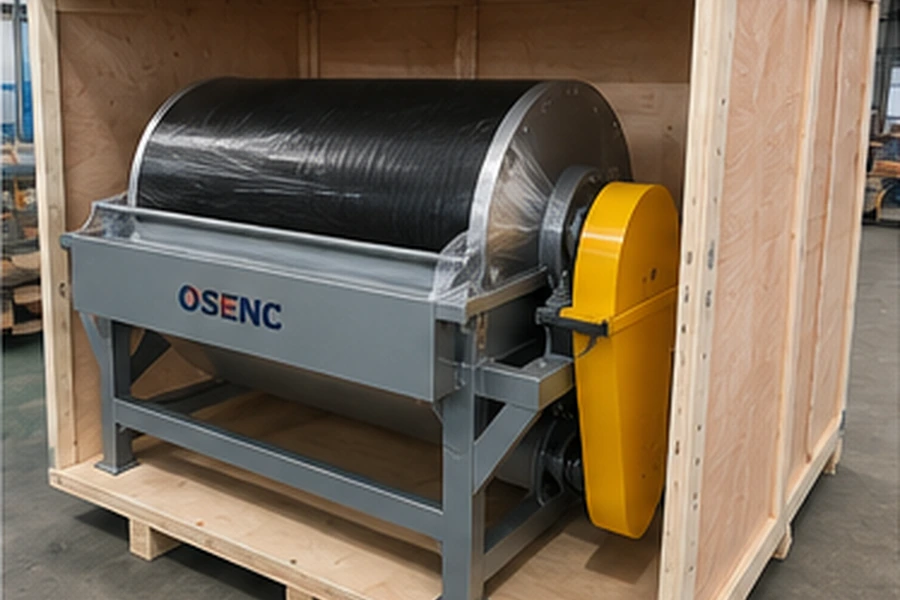
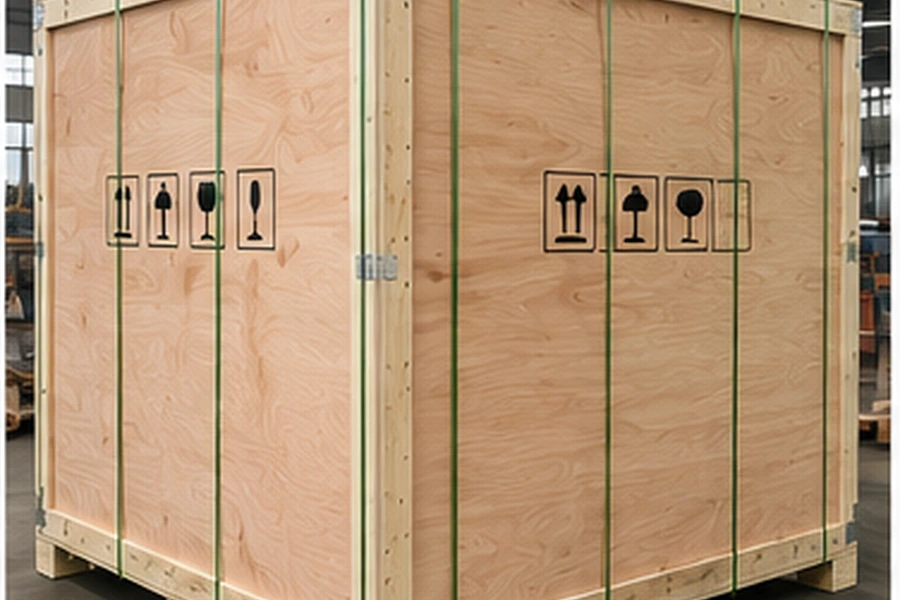
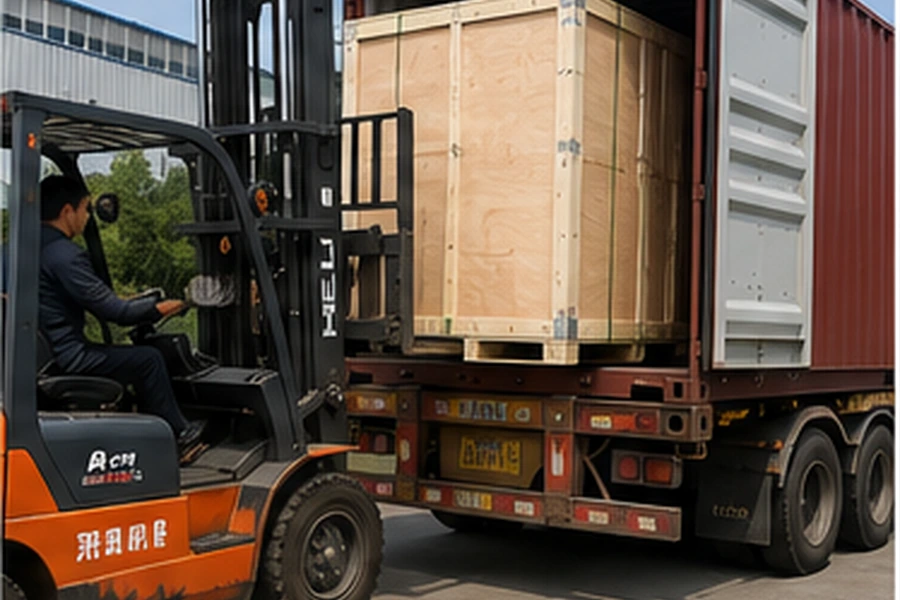
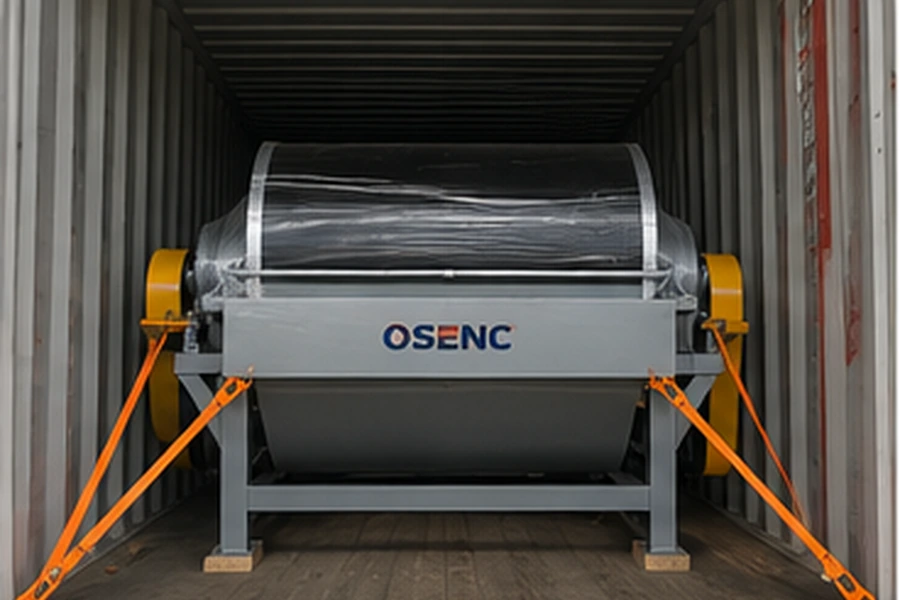
We check the approved configuration, accessories, labels, documents, protection, and packing requirements before dispatch to reduce missing items and installation delays.

From Approved Requirements to Deliverable Equipment

How We Turn Your Separation Problem into an Equipment Solution

01

You Share the Operating Conditions

Send material photos or videos, contaminant details, particle size, capacity, feed method, working distance, and installation information.

02

We Identify the Separation Risk

We review where the contamination enters the process, how it is carried, how deeply it is buried, and what equipment or product quality it threatens.

03

We Recommend the Equipment Concept

We select the suitable separator type and define the initial size, magnetic arrangement, cleaning method, and installation approach.

04

We Confirm Drawings & Interfaces

We review dimensions, mounting points, connections, maintenance space, accessories, inspection requirements, and commercial scope before production.

05

We Manufacture & Verify

The equipment is produced and checked according to the approved configuration, drawings, and agreed inspection requirements.

06

We Prepare Delivery & Support

We verify the equipment, accessories, documentation, packing protection, and shipment information before dispatch.

We Resolve Selection and Installation Risks Before Production

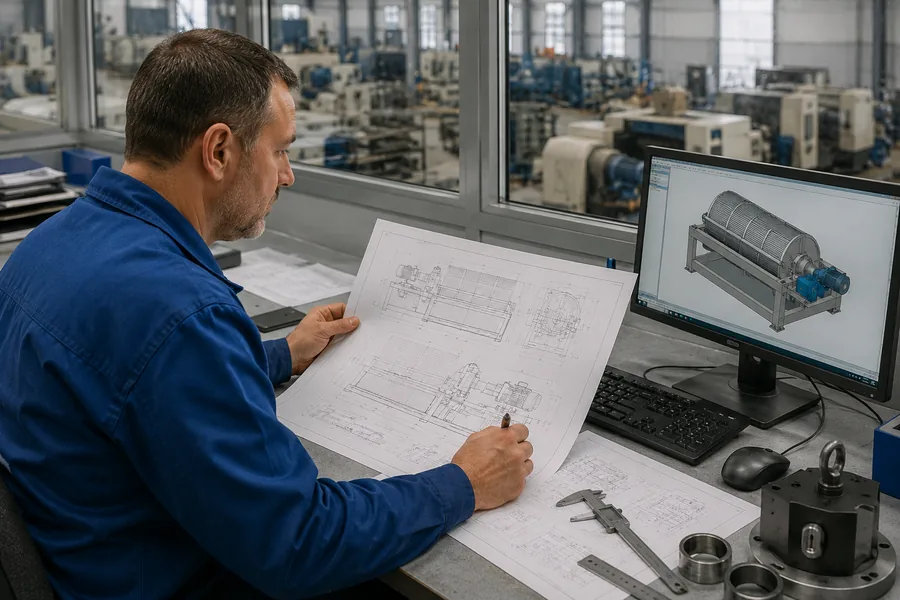
Engineer reviewing magnetic separator drawings, conveyor dimensions, and installation conditions
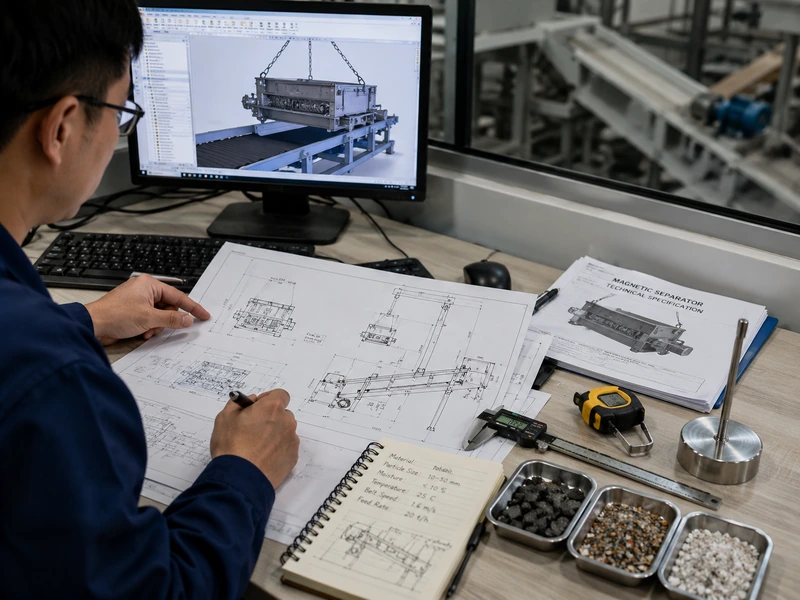
magnetic separator selection review 800x600

We Verify the Equipment Against Agreed Requirements

A magnetic value without a defined position or test method tells the buyer very little. We confirm the inspection item, measurement position, instrument, acceptance method, and required records before production when they are critical to the project.
dimensional interface check

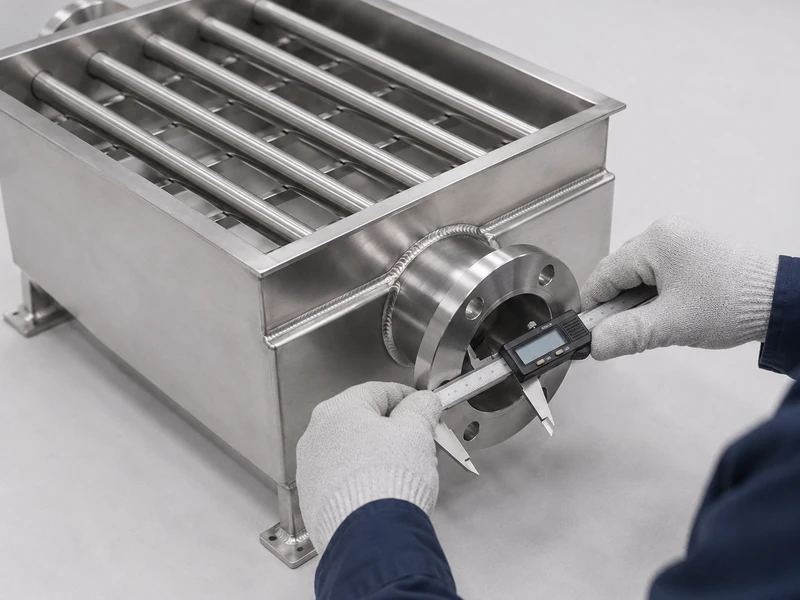
Dimensional & Interface Check

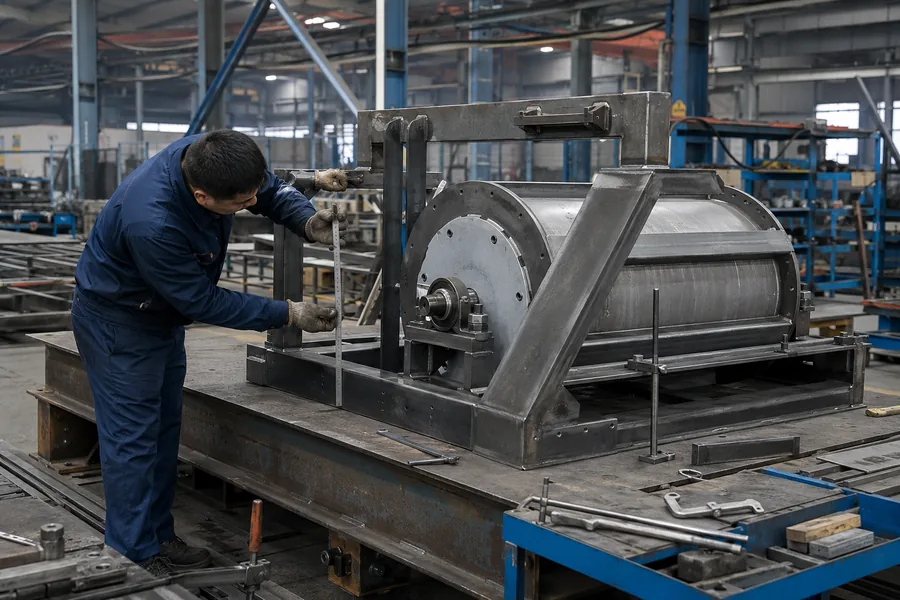
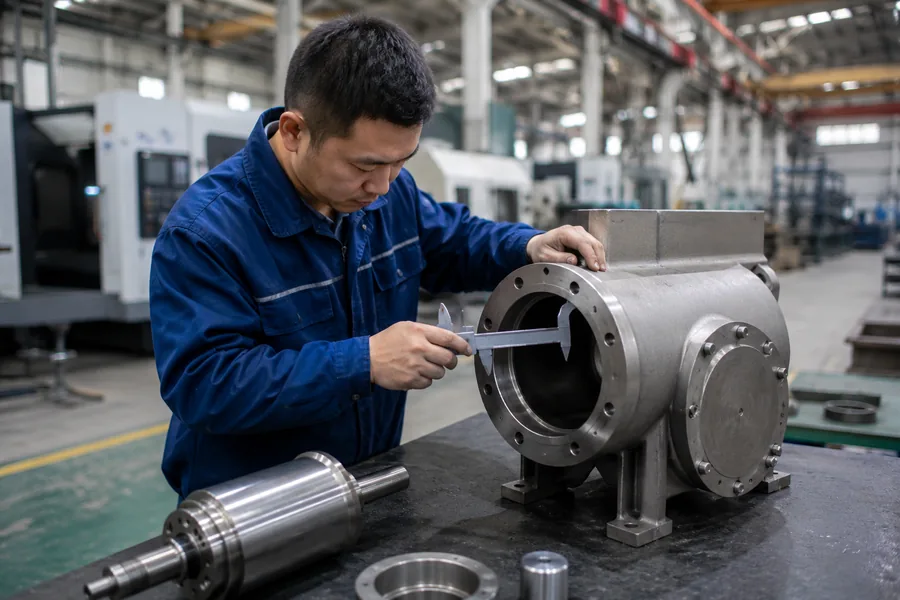
We check critical dimensions, mounting points, connection openings, working width, and overall equipment size against approved drawings or order specifications.
magnetic field measurement

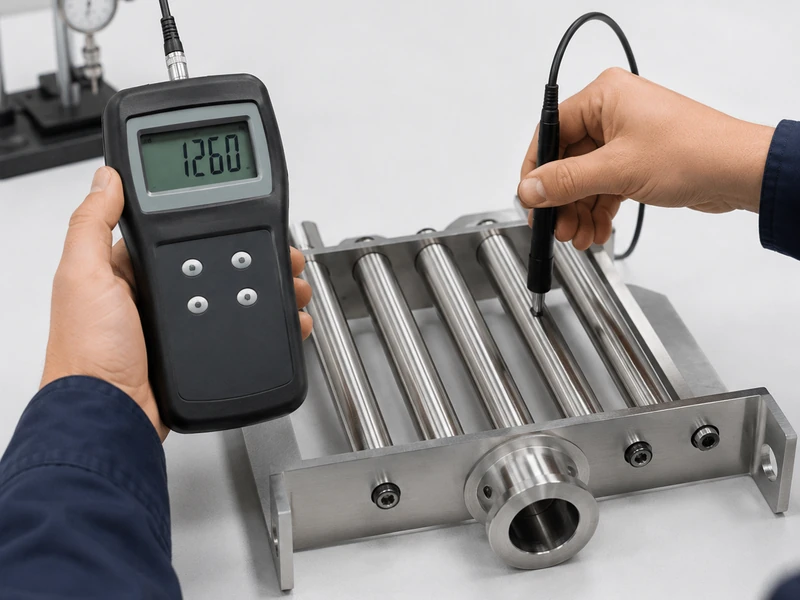
Magnetic Field Measurement

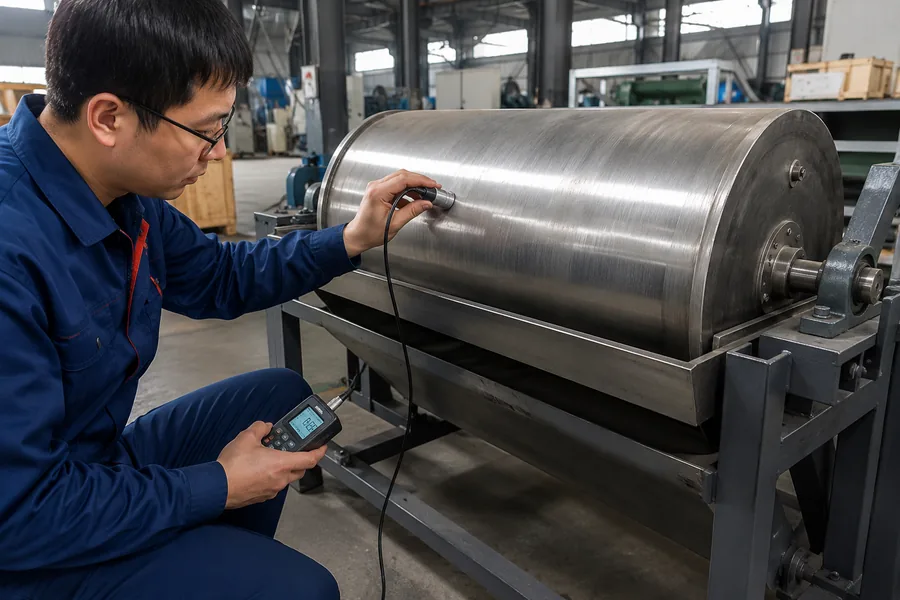
We measure magnetic field at agreed positions using a defined instrument and method, helping ensure the reported value relates to the actual purchase requirement.
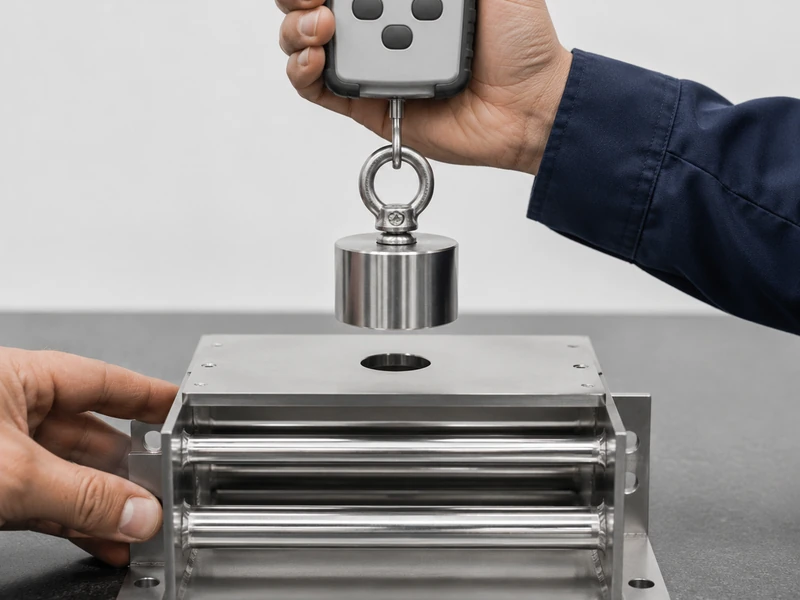
pull force verification

Pull Force Verification

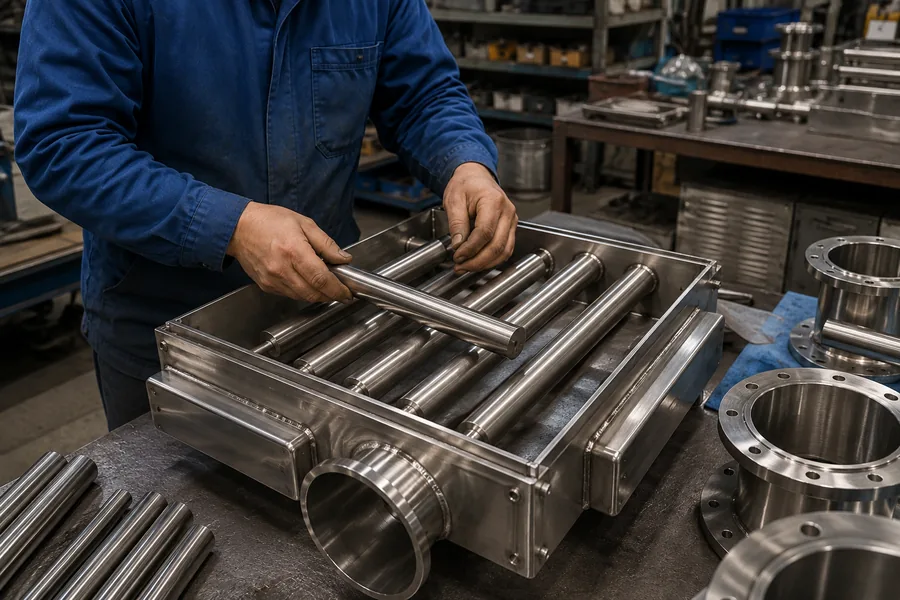
For magnetic bars or components, we can arrange pull-force testing after confirming the test piece, contact condition, pulling direction, and acceptance requirement.
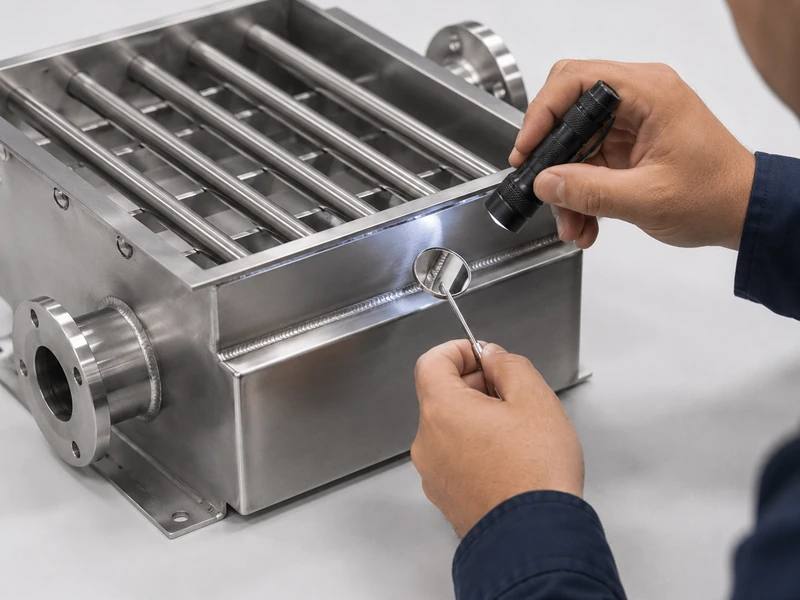
weld surface review

Weld & Surface Review

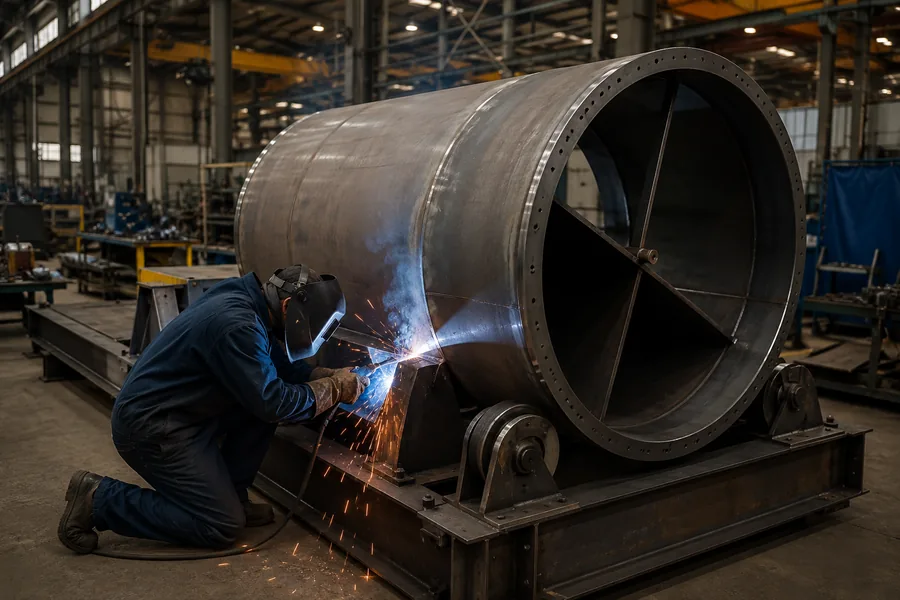
We review visible weld condition, accessible surfaces, housing finish, sharp edges, and project-specific fabrication details before shipment.
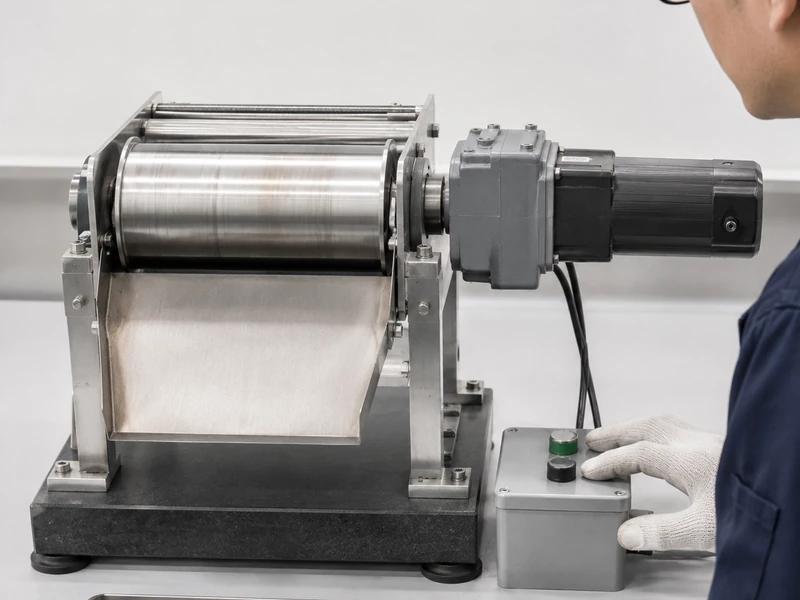
no load operating check

No-Load Operating Check

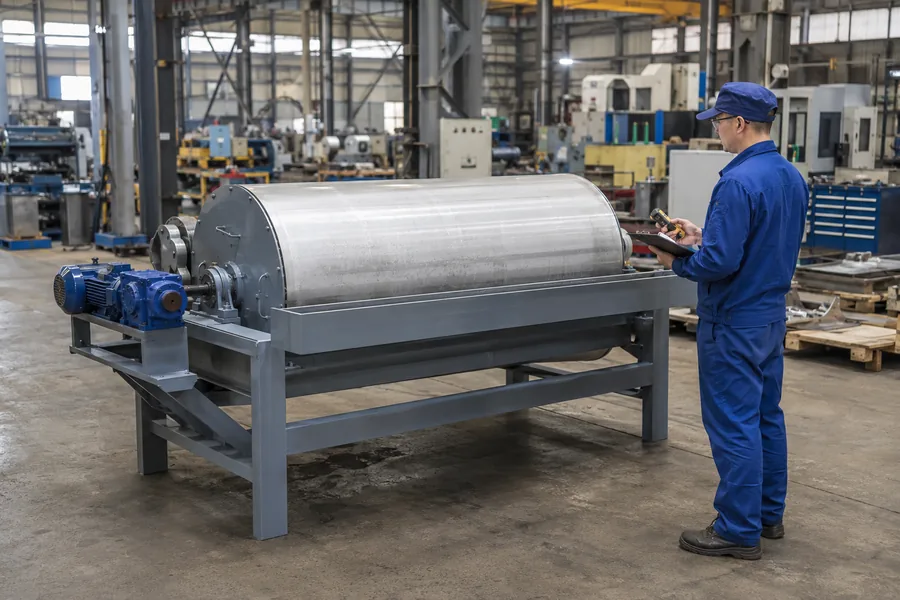
For driven equipment, we check rotation direction, noise, vibration, movement, and basic operating condition before dispatch.
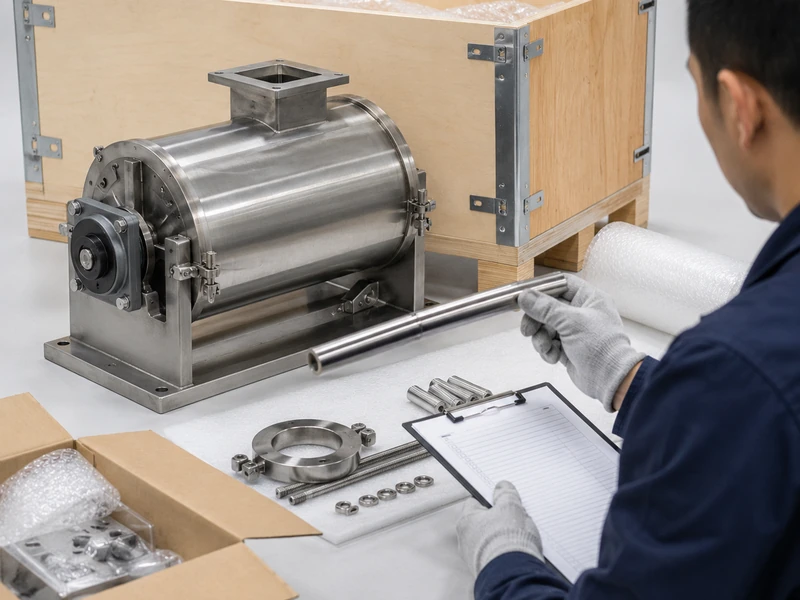
final delivery check

Final Delivery Check

We verify the model, quantity, accessories, labels, documentation, packing protection, and shipment readiness before release.

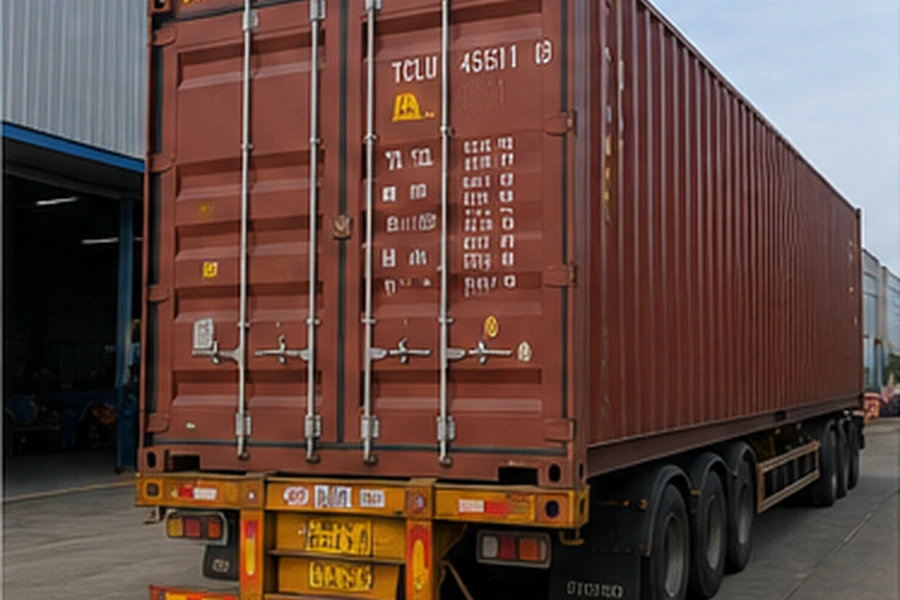
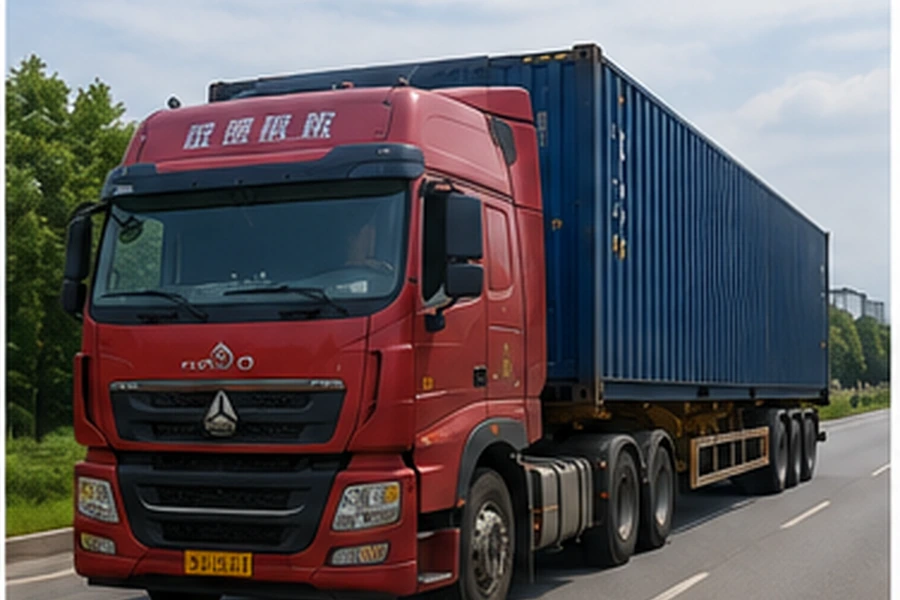
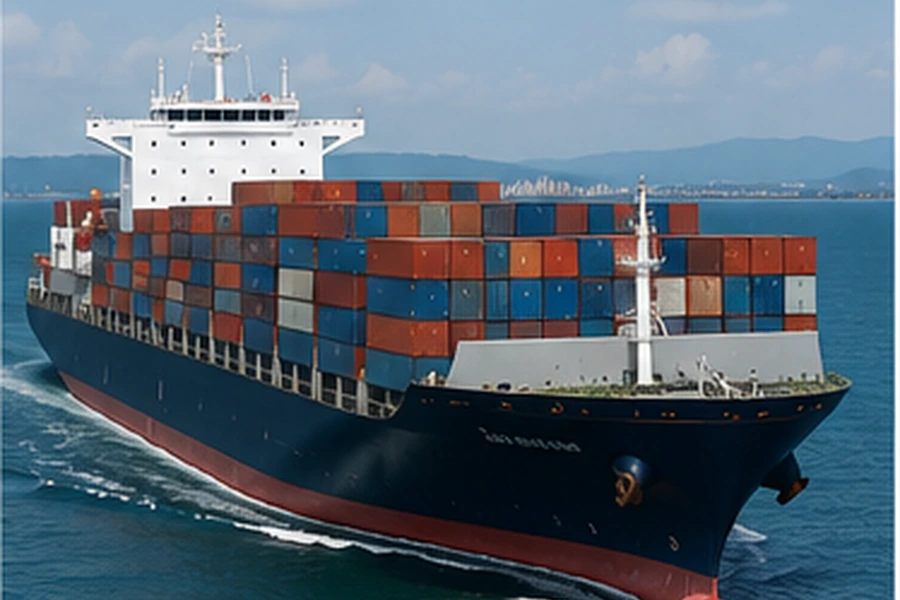
Packaging & Global Delivery

We Adapt the Solution When Standard Equipment Is Not Enough

We first determine whether a standard configuration can solve the application. When the line, material, temperature, space, cleaning, or interface creates additional requirements, we adapt the equipment instead of forcing the buyer to redesign the process around a catalog model.
standard equipment solution

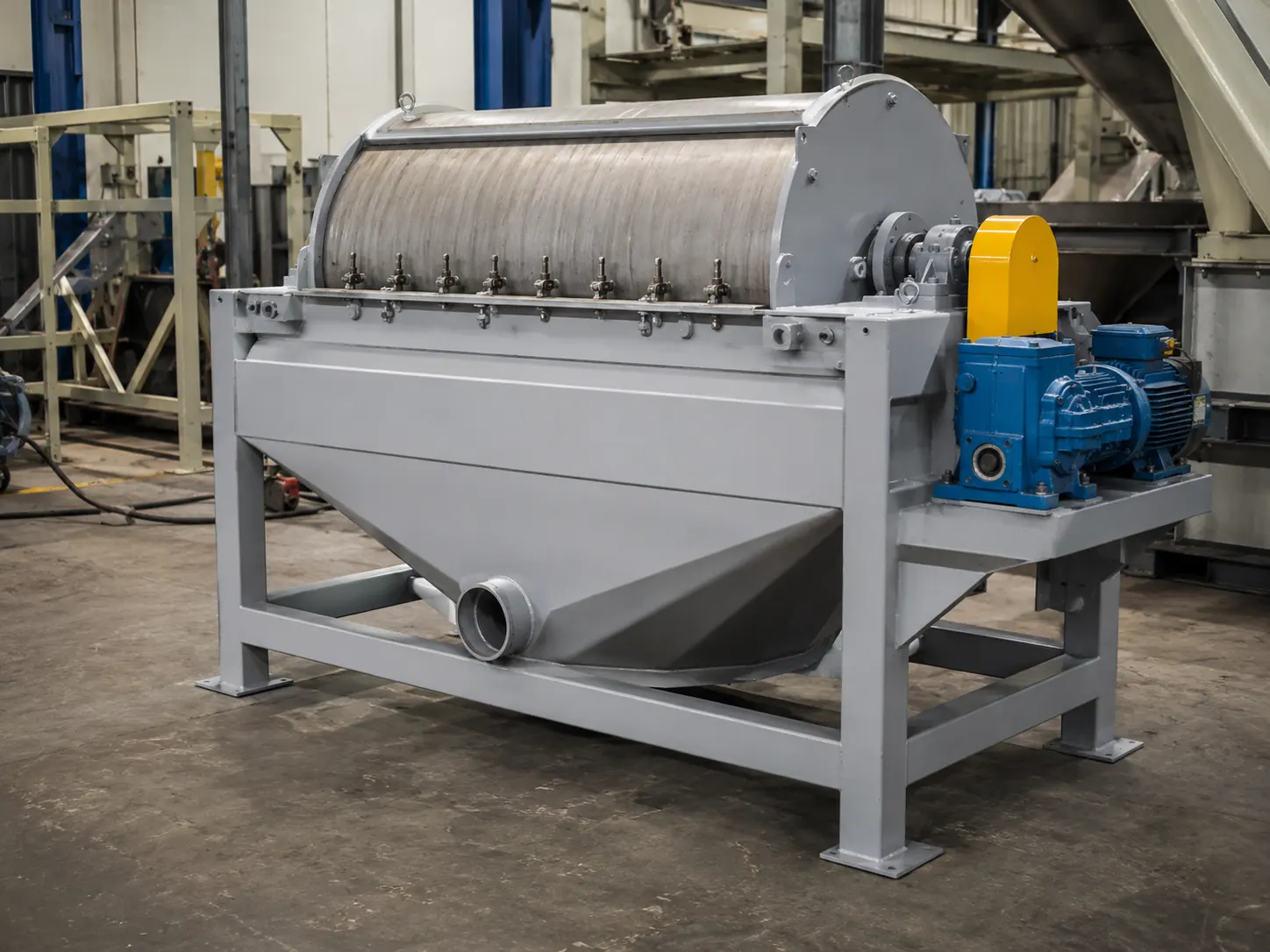
Standard Equipment Solution

We recommend a standard configuration when the material, capacity, working distance, installation space, and separation objective match an existing equipment design.
application specific adaptation

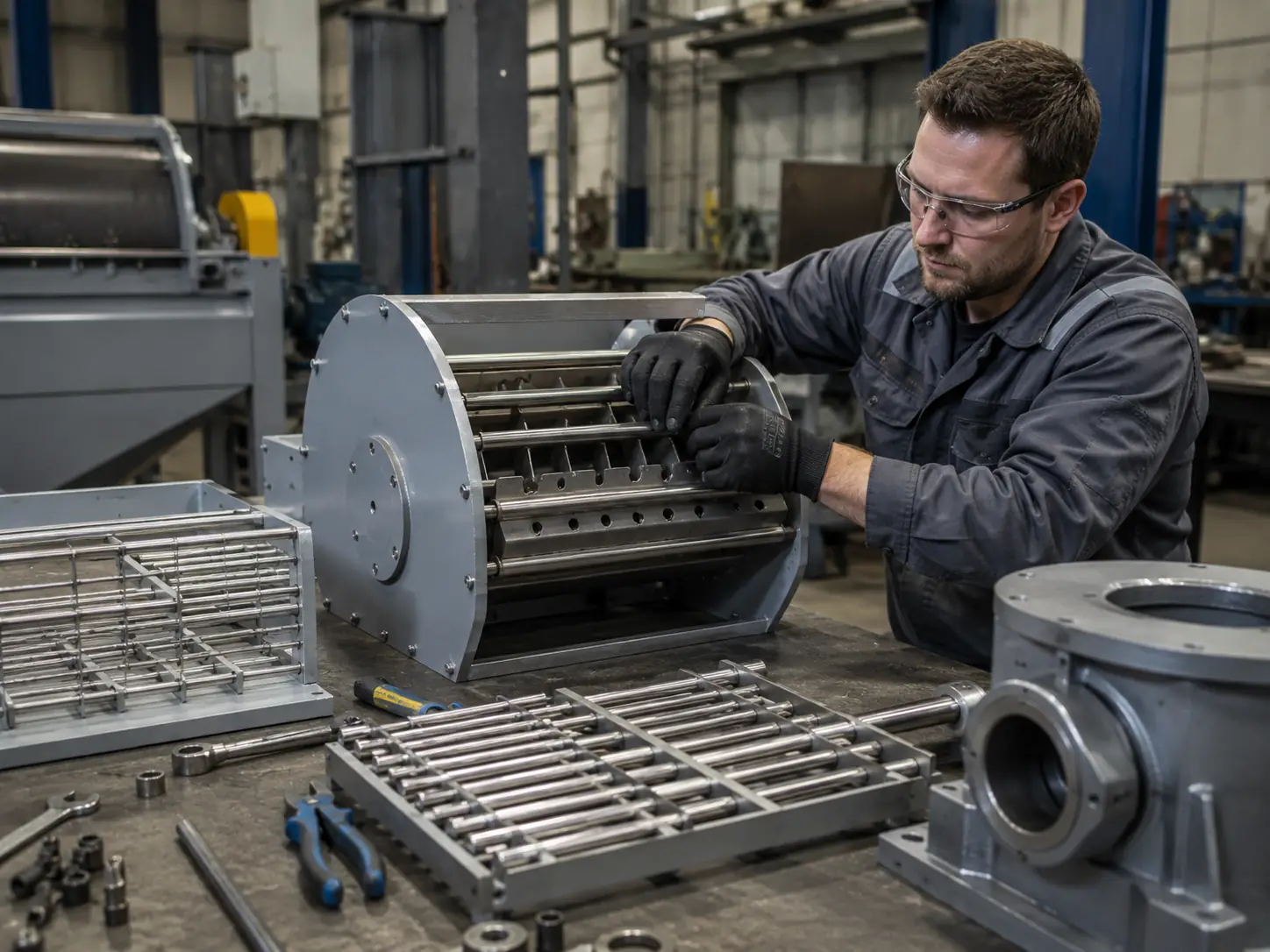
Application-Specific Adaptation

We adapt working width, equipment dimensions, magnetic arrangement, housing material, drive details, and cleaning method when the operating conditions require changes.
custom line integration

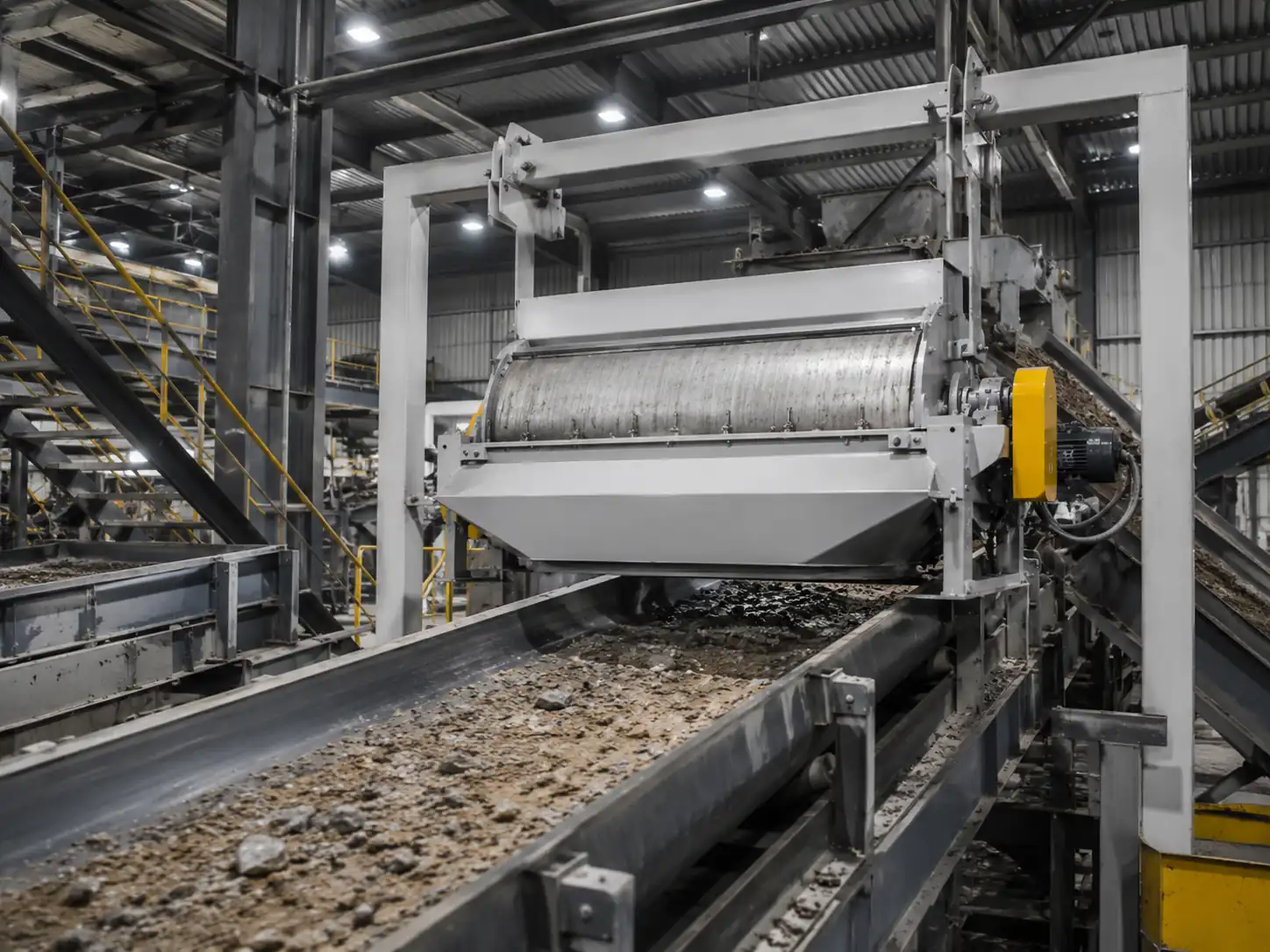
Custom Line Integration

We review mounting points, flanges, chutes, conveyor interfaces, control requirements, access space, and surrounding equipment when the separator must integrate into a larger processing line.


Testimonials

Michael
MichaelMechanical Design Engineer
We needed a magnetic separator that could fit into an existing conveyor line without changing the entire layout. OSENC reviewed our installation drawings, working distance, material depth, and available space before recommending the configuration. The equipment matched the reserved position, and the installation process was much easier than expected. Their technical communication was clear and practical throughout the project.
David
DavidSourcing Manager
Our previous supplier focused mainly on magnetic field figures but did not ask enough questions about the actual material. OSENC reviewed the particle size, moisture level, feeding method, and type of ferrous contamination before preparing the proposal. This gave our purchasing team a much clearer basis for comparison and helped us avoid ordering equipment that looked suitable on paper but would not perform well on the line.
Thomas
ThomasPlant Operations Manager
We had recurring metal contamination entering downstream crushing equipment, which increased maintenance work and created unnecessary production interruptions. OSENC helped us evaluate the installation position and recommended a suspended magnetic separator based on the burden depth and conveyor conditions. The solution is straightforward to operate, and the technical team also explained the cleaning and inspection points clearly before shipment.
James
JamesProcess Engineer
Our material was difficult to evaluate because it contained fine particles, irregular feed conditions, and different types of ferrous contaminants. Instead of recommending a standard model immediately, OSENC asked us to provide material photos, operating data, and installation dimensions. Their team then proposed a more suitable magnetic separation arrangement and explained the limitations clearly. We appreciated the engineering approach rather than a simple product quotation.
Andrew
AndrewProject Development Manager
We were planning a new recycling line and needed support selecting magnetic separation equipment for several processing stages. OSENC reviewed the flow diagram and helped us distinguish where a magnetic drum, suspended magnet, or magnetic grate would be more appropriate. The recommendations were based on the function of each position, not simply on equipment names. This made the project planning process more organized and reduced uncertainty before installation.

Questions We Resolve Before You Order Magnetic Equipment

Which magnetic separator should I use for my material?

We first identify where the material flows and where the contaminant should be removed. Suspended magnets are generally used above conveyor belts, magnetic drums provide continuous separation from bulk material, and magnetic grates or tubes capture fine iron in gravity-fed lines. We then check capacity, feed depth, contaminant size, working distance, and cleaning needs before recommending the configuration.

We need the processed material, target contaminant, particle size, moisture, temperature, capacity, feed method, belt or chute dimensions, material depth, working distance, installation space, and preferred cleaning method. Material photos and operating videos help us identify conditions that are easily missed in written descriptions.

No. We review magnetic field strength together with field gradient, working distance, pole design, material depth, feed speed, contaminant size, and measurement position. A high surface value does not guarantee that sufficient magnetic force reaches contamination buried inside the material.

We calculate the total distance created by belt thickness, chute walls, covers, air gaps, and material depth. We then review whether the proposed magnetic configuration can reach the contaminant at that position.

Standard magnetic separators mainly remove ferromagnetic materials such as iron and carbon steel. Some magnetically responsive stainless steel may be captured, but many stainless grades, aluminum, copper, and other non-ferrous metals require different separation technologies. We confirm the target metal before recommending equipment.

Can you adapt the equipment to our existing line?

We can review equipment dimensions, working width, mounting points, flanges, chute connections, drive configuration, housing material, cleaning structure, and maintenance access around the existing installation conditions.

We confirm the required test method before production. Magnetic field or pull force can be checked after defining the instrument, measurement position, test piece, contact condition, pulling direction, and acceptance requirement.

Performance changes with material depth, feed speed, moisture, particle size, contaminant shape, working distance, material distribution, magnetic arrangement, and equipment position. We review these conditions before recommending changes to the magnet alone.

We select the cleaning method according to the contamination level, required cleaning frequency, available maintenance access, operating schedule, and whether the process can stop for manual cleaning. Options may include manual removal, withdrawable tubes, easy-clean structures, or continuous self-cleaning systems.

We confirm lead time after the equipment concept, drawings, interfaces, customization scope, inspection requirements, quantity, and commercial terms have been approved. Standard and project-specific equipment cannot be given the same production schedule responsibly.

Contactez-nous