INDUSTRIAL MAGNETIC SEPARATION SOLUTIONS
We help you identify where ferrous contamination enters your process, select the right magnetic separator, and configure it around your material, capacity, working distance, cleaning needs, and installation conditions.
We do not recommend one separator for every application. We match the equipment to where the material flows, how the ferrous contamination is carried, how deeply it is buried, and how the captured metal must be removed.
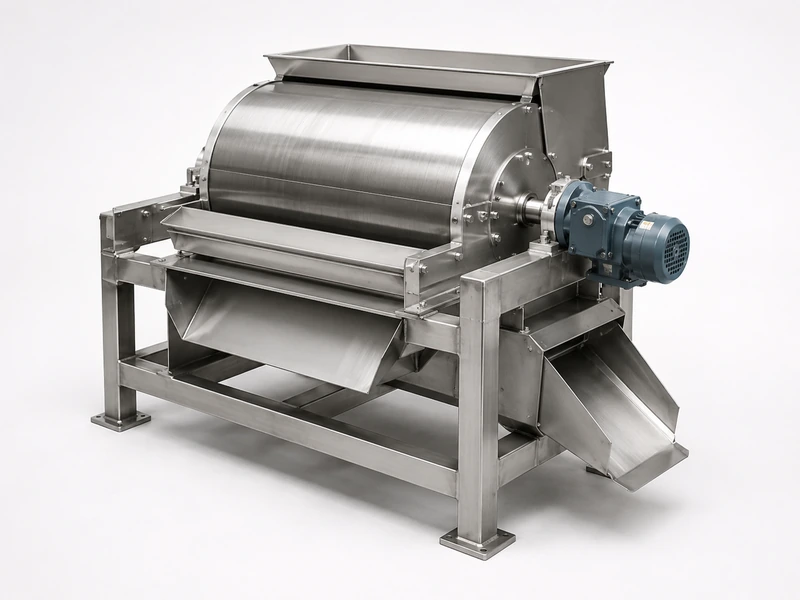
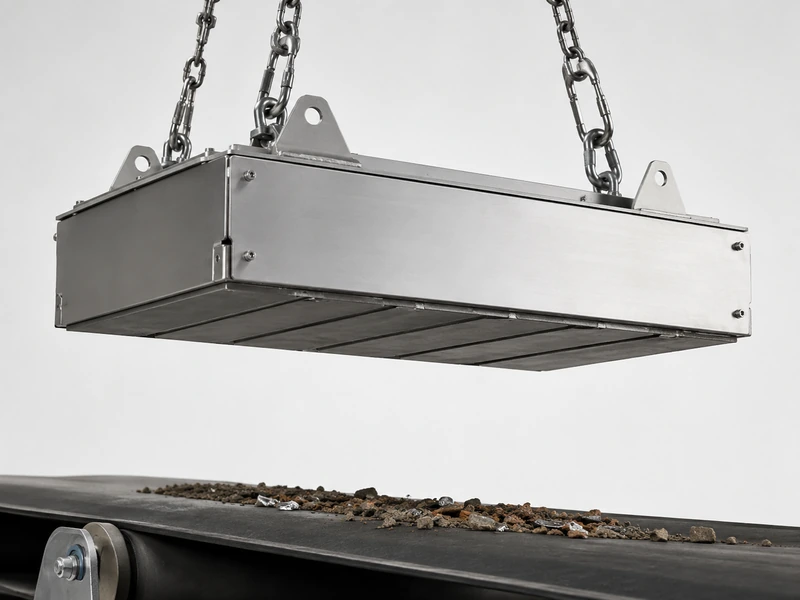
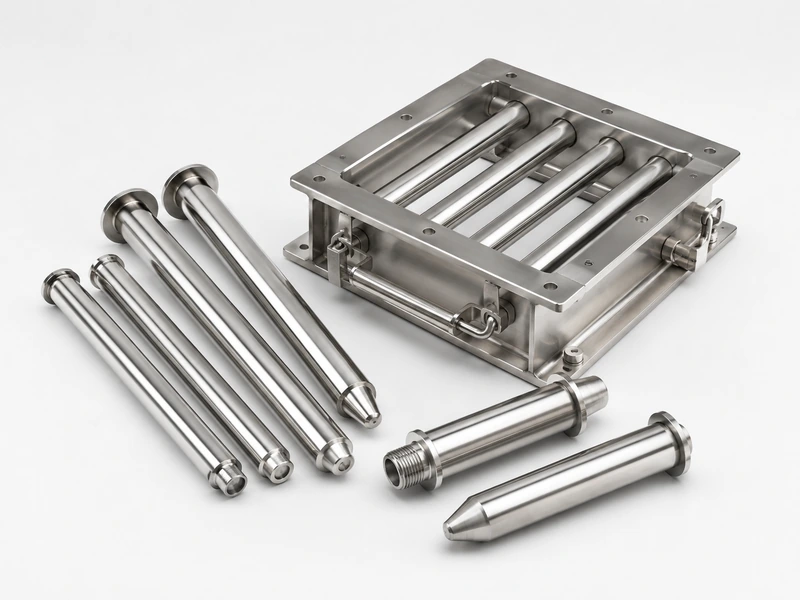
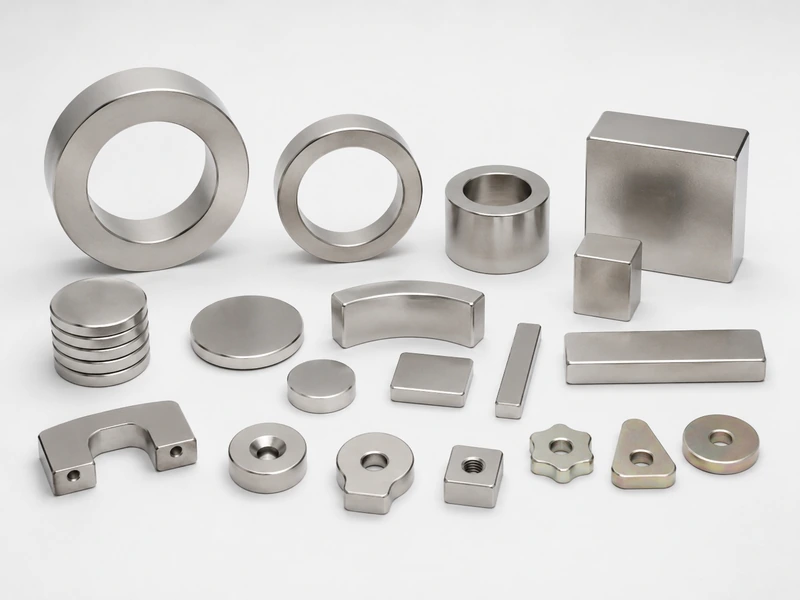
The strongest-looking magnet is not automatically the correct solution. We first identify the separation point, contaminant type, material depth, working distance, and cleaning requirement before recommending the equipment concept.
We use your operating conditions to determine whether the magnet can reach the contaminant, handle the material flow, fit the available space, and remain practical to clean and maintain.
We review whether the material is dry, wet, sticky, dusty, abrasive, free-flowing, or likely to bridge. This helps us avoid recommending a structure that restricts flow or creates frequent blockages.
We identify whether the target is large tramp iron, bolts, wire, iron chips, fine particles, or weakly magnetic contamination, then match the magnetic circuit and separation point to that objective.
We check particle size, density, moisture, and agglomeration because these conditions affect how the material exposes the contaminant to the magnetic field.
We review throughput, feed width, belt loading, and layer thickness so the selected equipment can reach the contaminant without becoming a restriction in the process.
We calculate the distance created by belts, covers, chutes, air gaps, and material depth, helping prevent the common mistake of selecting equipment from a surface magnetic value alone.
We match the cleaning method and equipment structure to the contamination level, available access, maintenance frequency, and whether manual or continuous cleaning is required.
We solve each application around the actual material stream rather than the industry label. The same recycling or mining plant may require different separators at different points in the process.
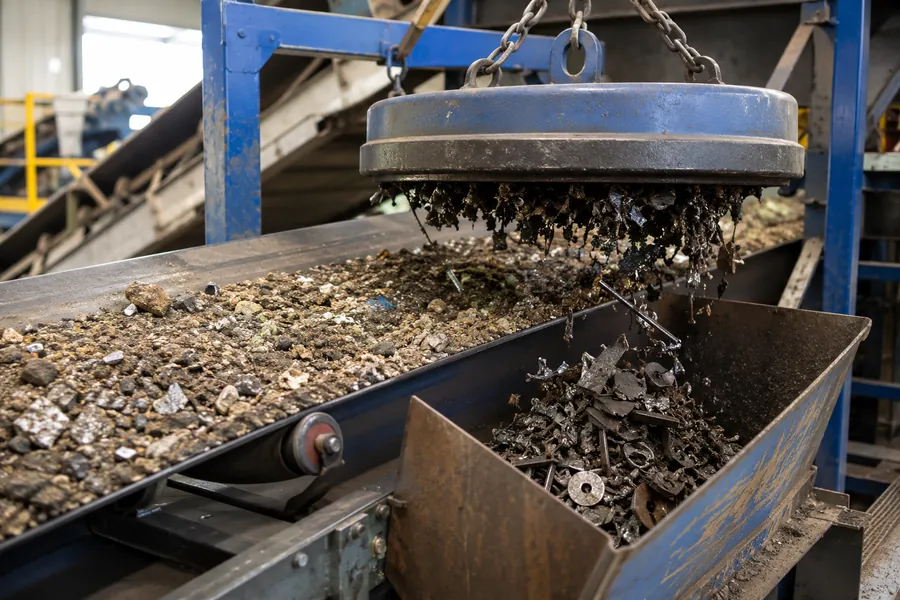
We help recover ferrous material from shredded scrap, mixed residues, and sorting tailings by matching the separator to particle size, feed depth, contamination level, and downstream recovery objectives.
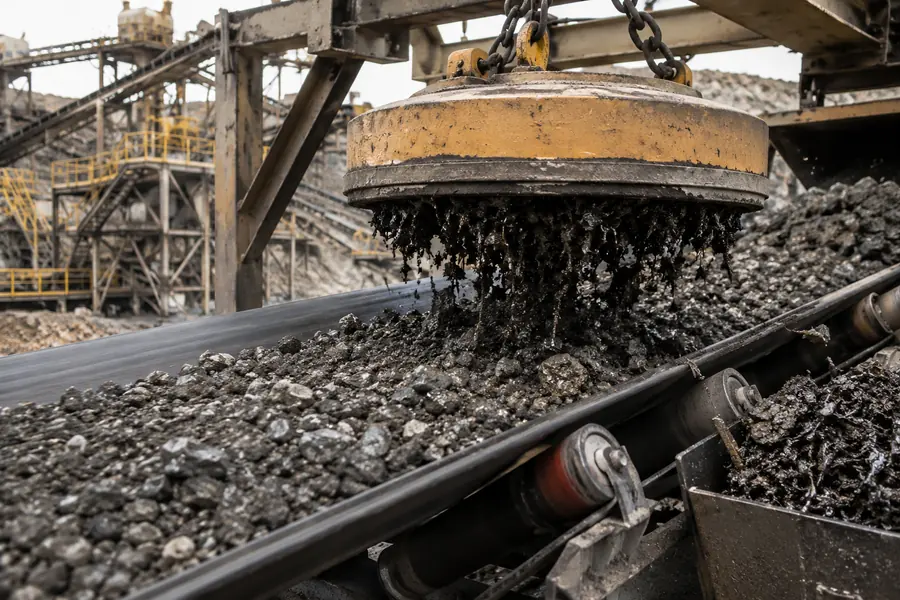
We configure magnetic separation for crushed ore, aggregates, slag, and mineral streams to recover magnetic material, reduce unwanted iron, or protect downstream processing equipment.
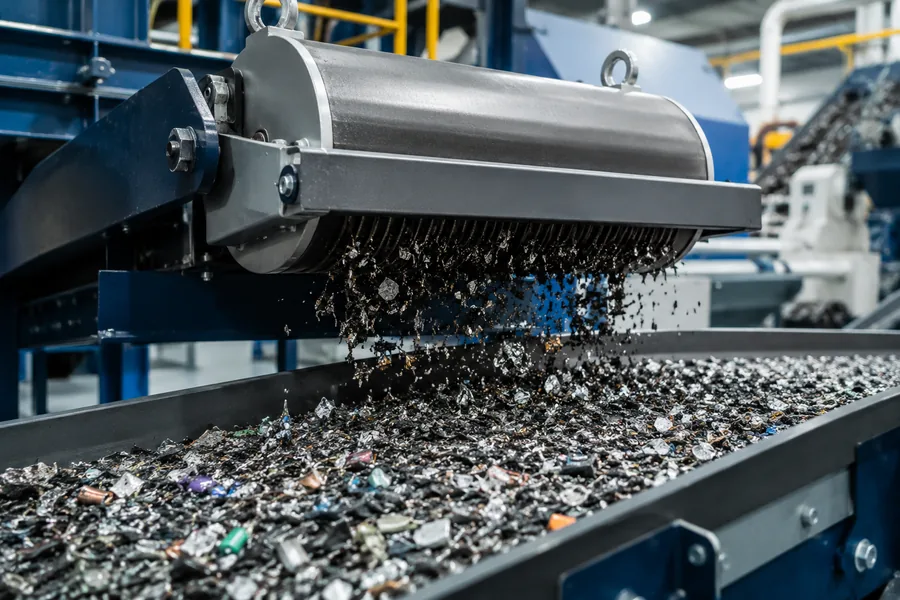
We help remove steel casings, iron fragments, and ferrous components from crushed battery material before downstream non-ferrous, powder, and sensor-based separation stages.
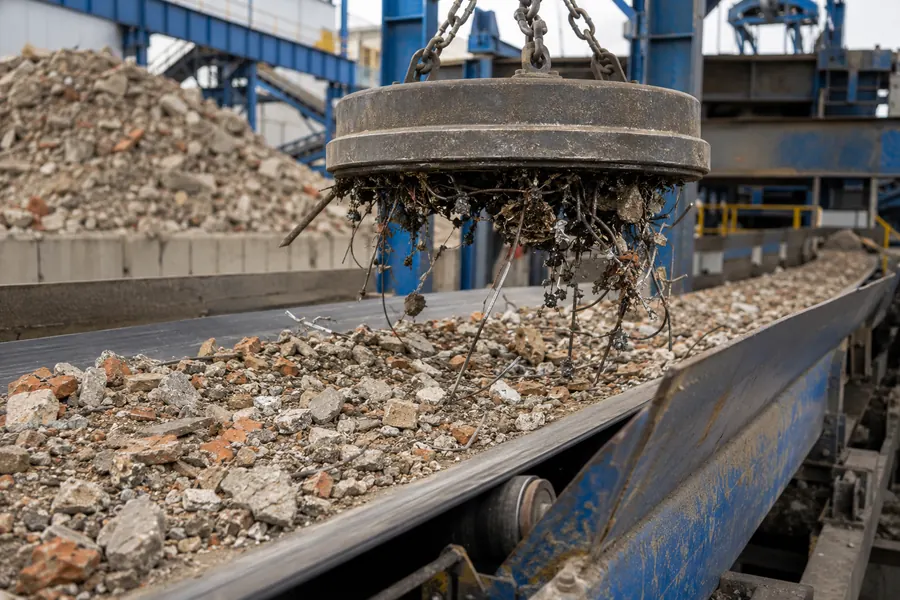
We help remove reinforcing steel, nails, wire, and other tramp iron from crushed construction waste, reducing damage to crushers and improving the purity of recovered aggregates.
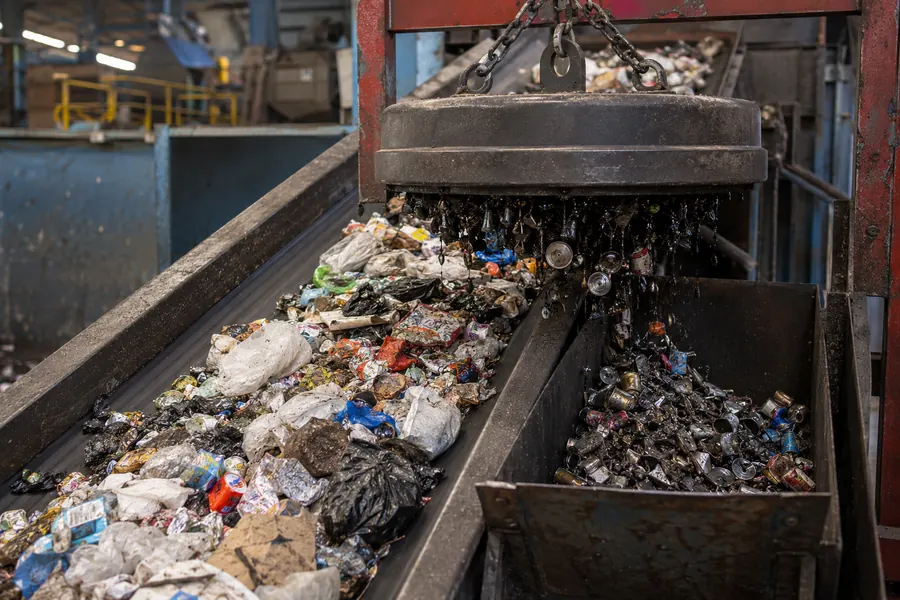
We configure magnetic recovery points around conveyor width, waste depth, speed, and contaminant size to recover ferrous metal and protect shredding and sorting equipment.
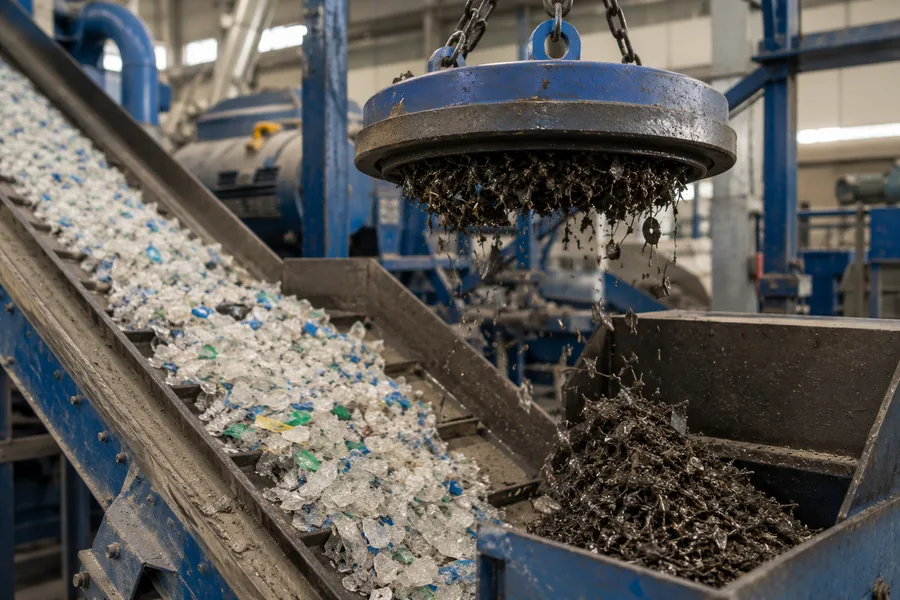
We help remove iron fragments, wire, and equipment wear debris from shredded plastics, flakes, and pellets before extrusion, washing, sorting, or pelletizing.
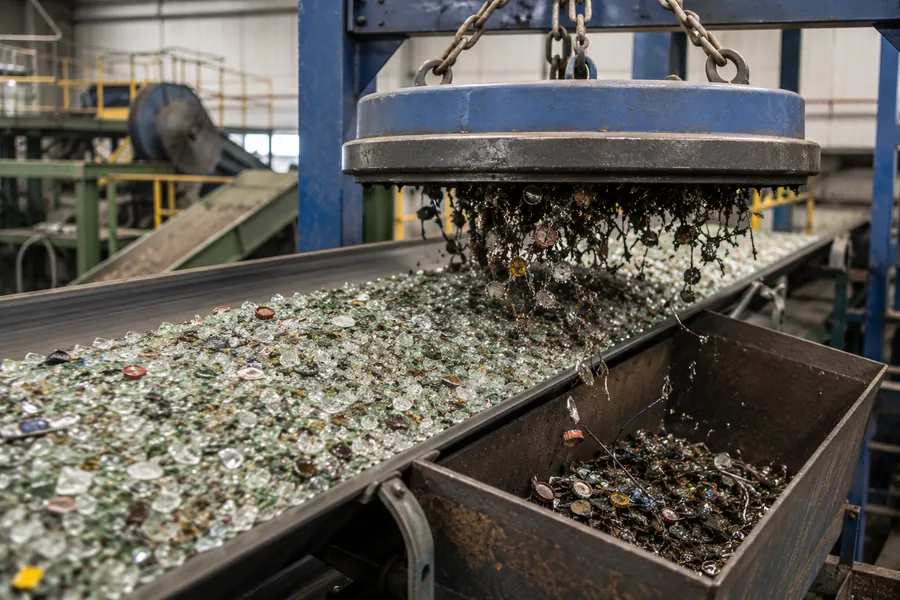
We help remove steel caps, wire, fasteners, and ferrous fragments from recycled glass streams while considering glass particle size, feed stability, and abrasion conditions.
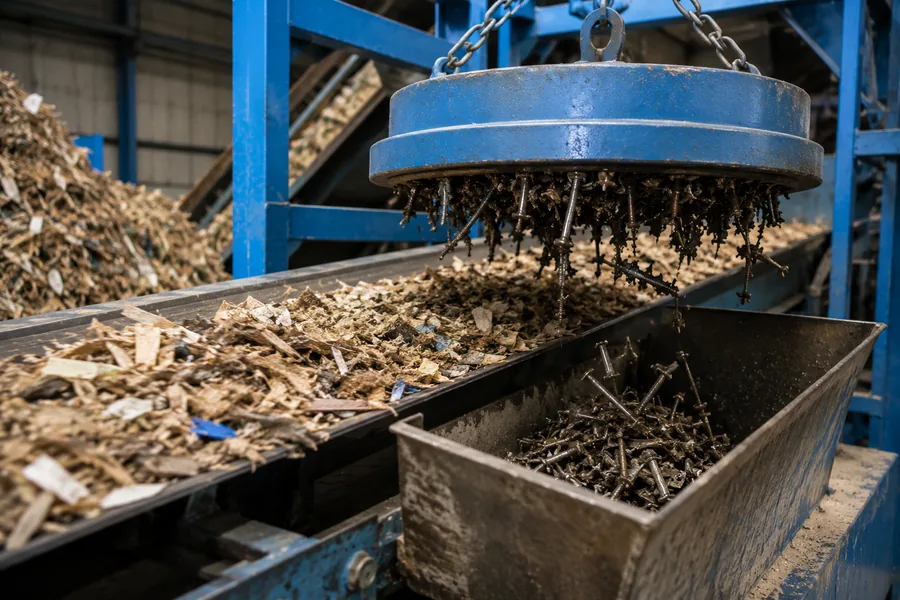
We help capture nails, staples, wire, and tramp iron before shredding, grinding, pulping, or further processing, protecting equipment and reducing contamination in the recovered material.
You do not need to select the machine alone. Send us your material photos or videos, contaminant details, particle size, capacity, feed method, working distance, and installation space. We will review the application and recommend the next technical step.
Send My Material DetailsOSENC supplies magnetic separation equipment and custom magnetic solutions for recycling, mining, bulk material handling, and industrial processing lines.
We do not recommend equipment from an industry name, catalog image, or surface Gauss value alone. We review the complete material path, identify where magnetic separation can create the most value, and configure the equipment around the actual line conditions.
By confirming the material, contaminant, capacity, working distance, installation interface, cleaning method, and inspection requirements before production, we help buyers reduce unsuitable equipment, installation changes, and avoidable project delays.
Most magnetic separator problems begin before production: the wrong separator type, insufficient working reach, incompatible dimensions, difficult cleaning, or unclear inspection requirements. We address these risks during project review.
We compare the material flow, contaminant, feed depth, capacity, and separation objective before deciding whether the application needs a drum, suspended magnet, grate, tube, or custom solution.
We account for belt thickness, covers, chutes, air gaps, and material depth so the magnetic design is reviewed at the contaminant position, not only at the equipment surface.
We review mounting points, chute openings, belt width, flanges, equipment orientation, maintenance clearance, and surrounding structures before manufacturing.
We match the cleaning structure to the contamination level and maintenance conditions, helping reduce difficult removal, excessive downtime, and unsafe manual handling.
We help confirm what must be measured, where it must be measured, which method will be used, and what records are required before the order enters production.
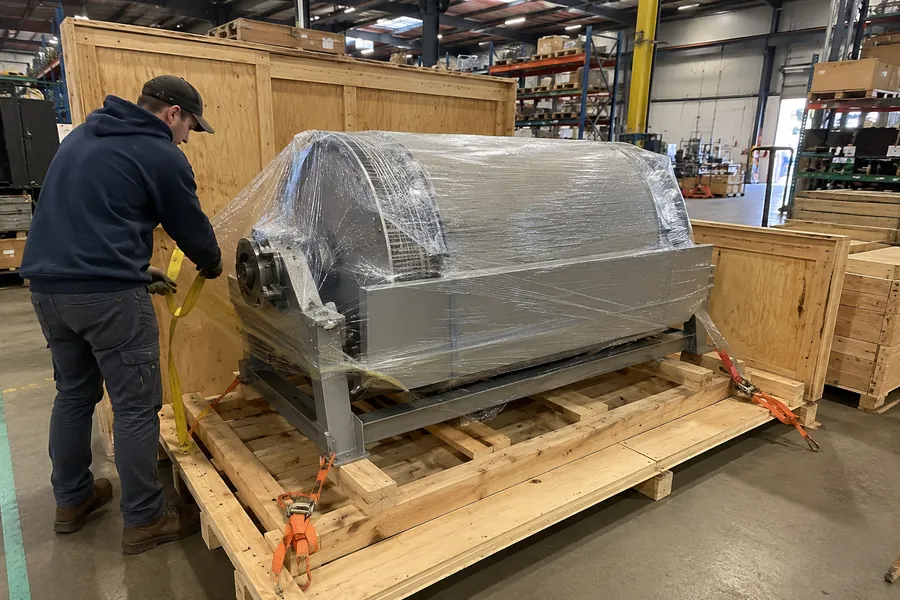
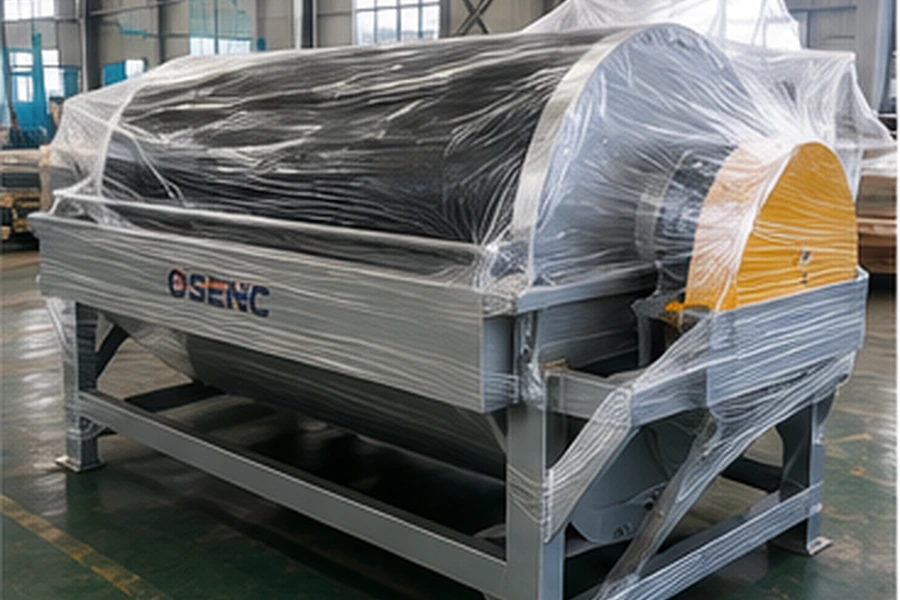
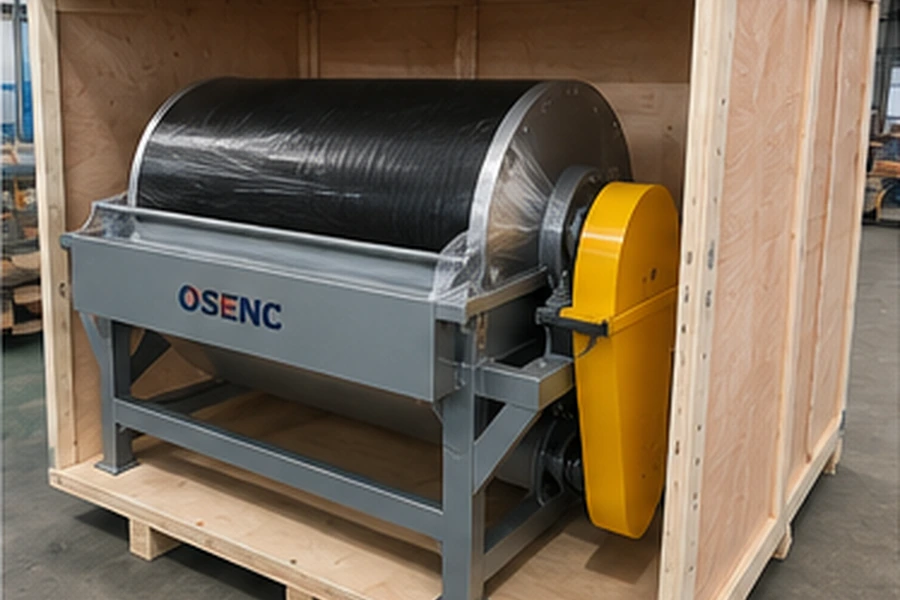
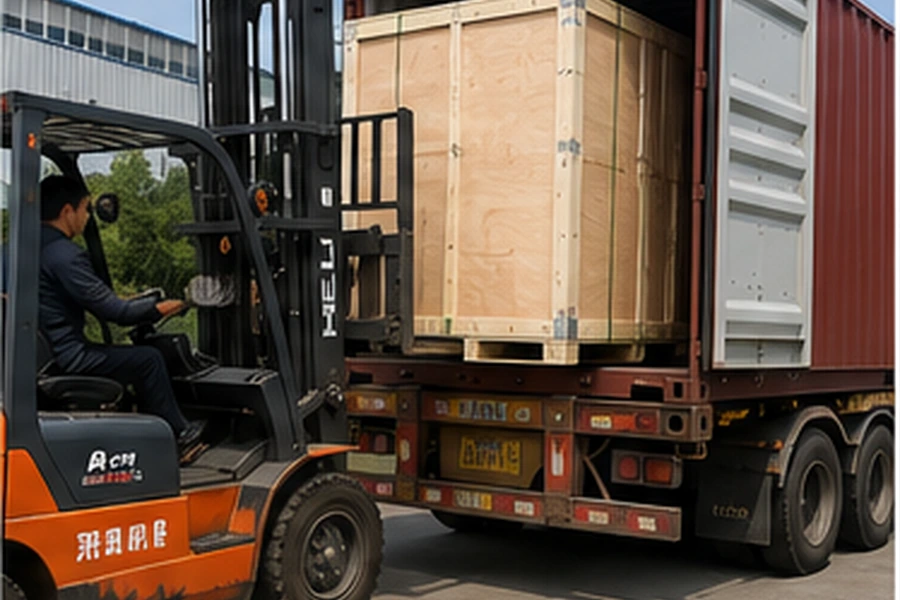
We check the approved configuration, accessories, labels, documents, protection, and packing requirements before dispatch to reduce missing items and installation delays.
Send material photos or videos, contaminant details, particle size, capacity, feed method, working distance, and installation information.
We review where the contamination enters the process, how it is carried, how deeply it is buried, and what equipment or product quality it threatens.
We select the suitable separator type and define the initial size, magnetic arrangement, cleaning method, and installation approach.
We review dimensions, mounting points, connections, maintenance space, accessories, inspection requirements, and commercial scope before production.
The equipment is produced and checked according to the approved configuration, drawings, and agreed inspection requirements.
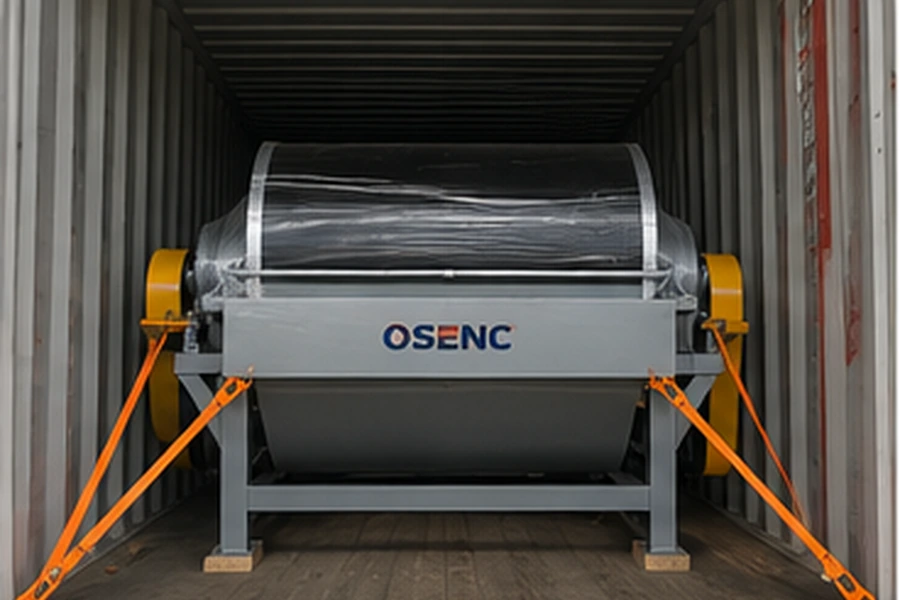
We verify the equipment, accessories, documentation, packing protection, and shipment information before dispatch.
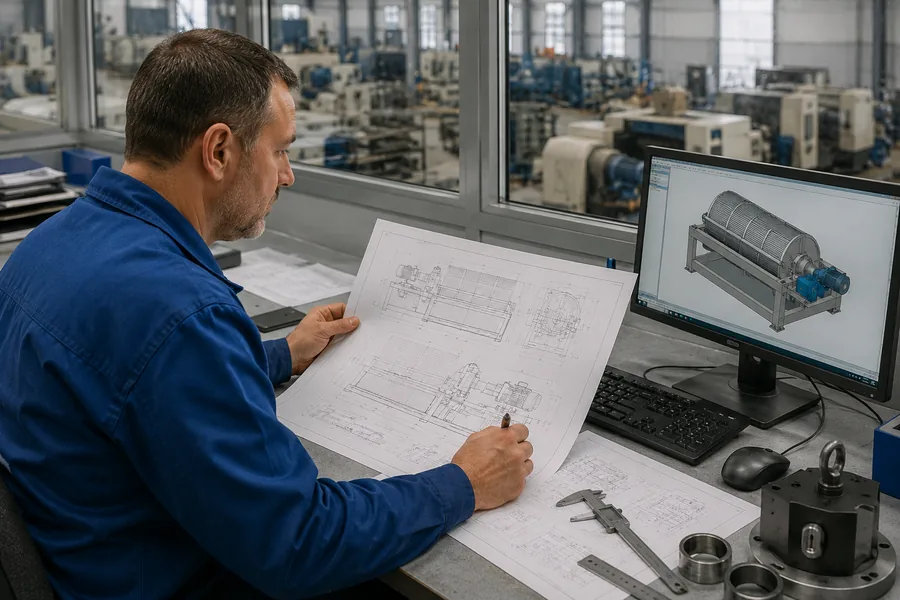
Engineer reviewing magnetic separator drawings, conveyor dimensions, and installation conditions
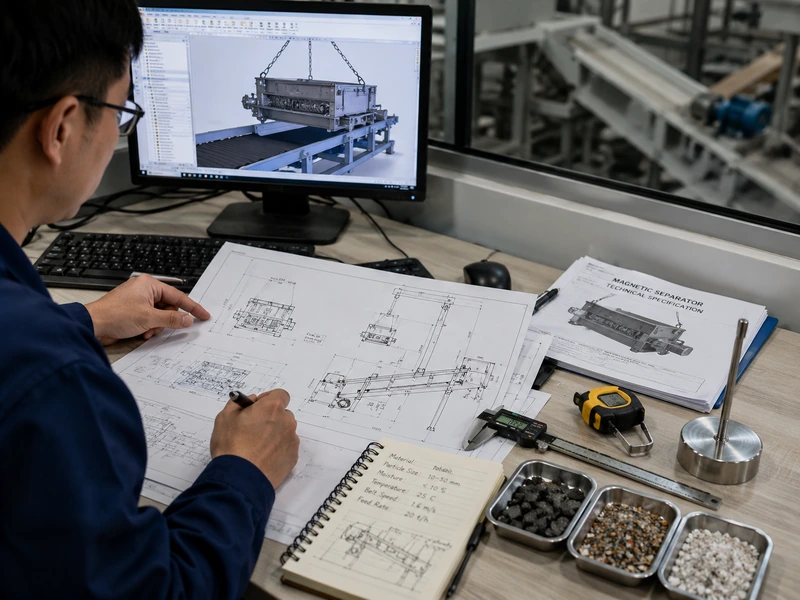
A magnetic value without a defined position or test method tells the buyer very little. We confirm the inspection item, measurement position, instrument, acceptance method, and required records before production when they are critical to the project.
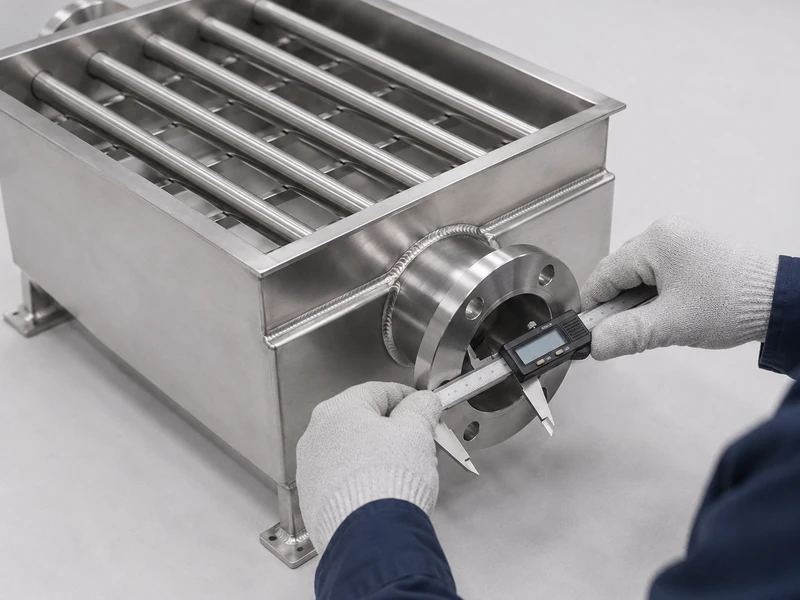
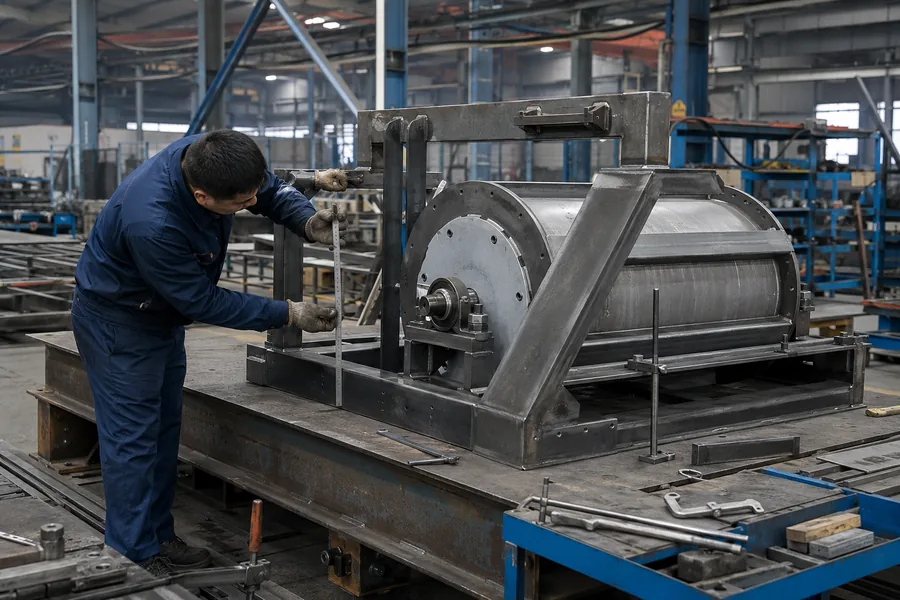
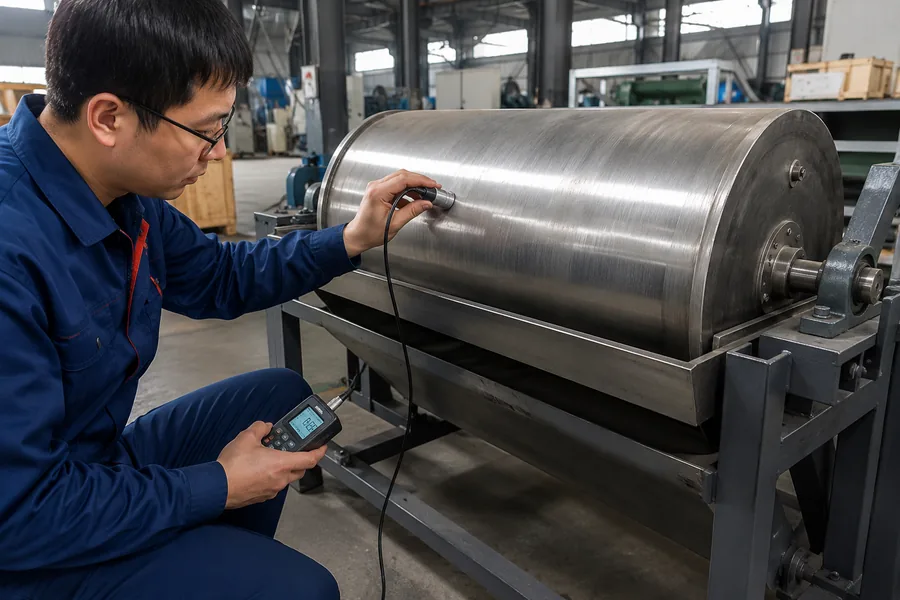
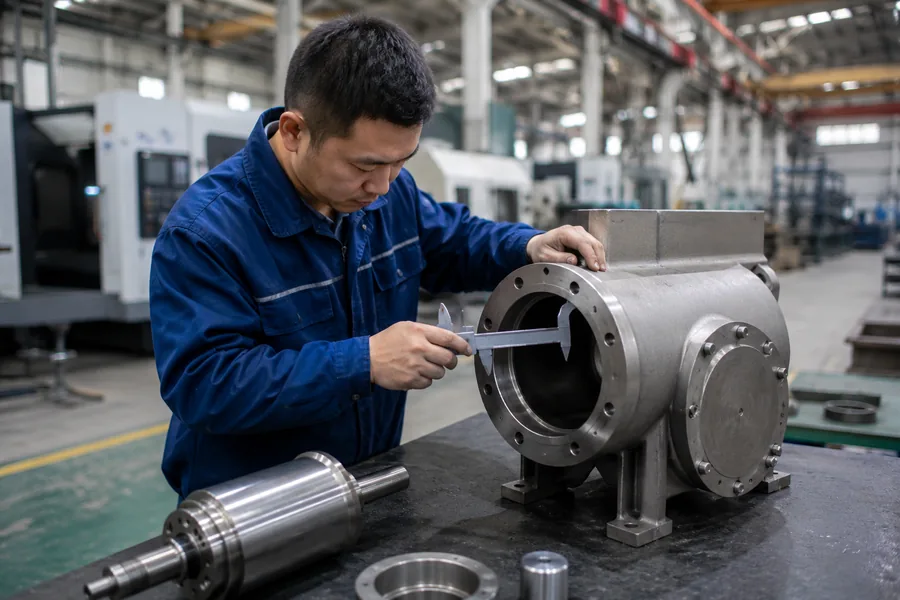
We check critical dimensions, mounting points, connection openings, working width, and overall equipment size against approved drawings or order specifications.
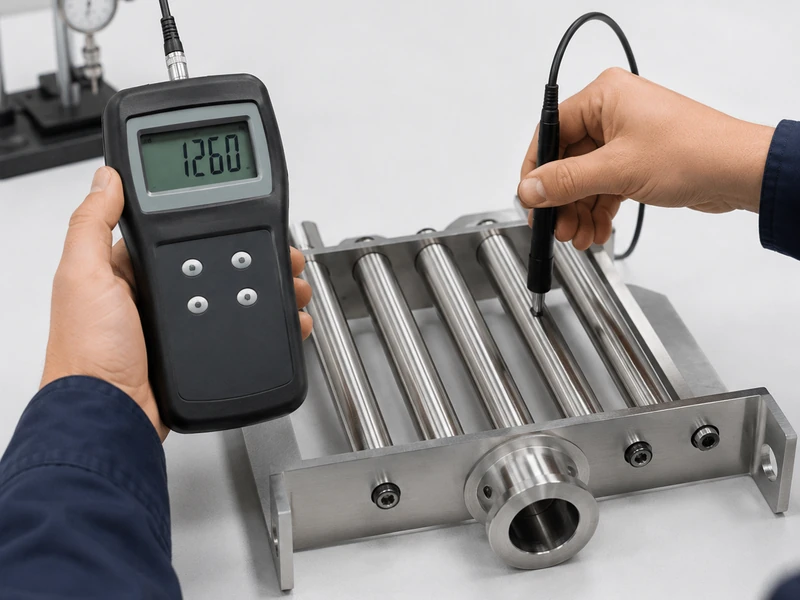
We measure magnetic field at agreed positions using a defined instrument and method, helping ensure the reported value relates to the actual purchase requirement.
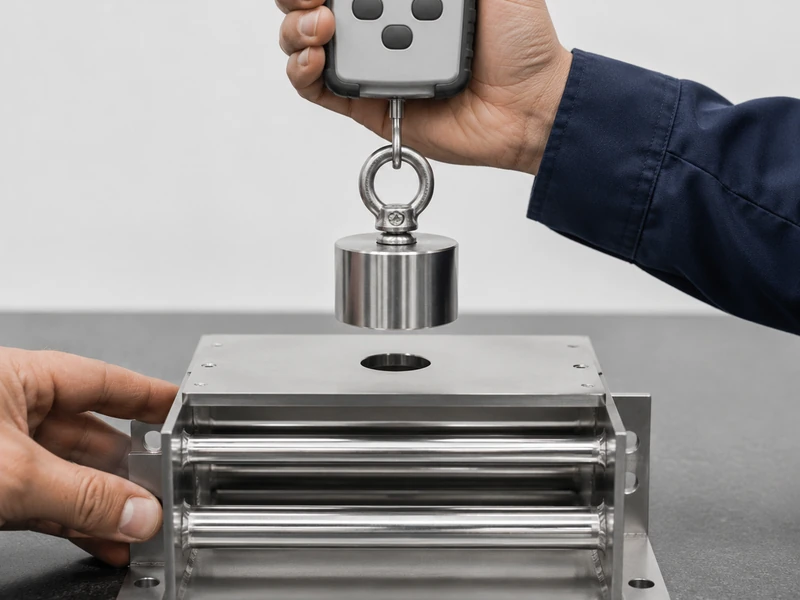
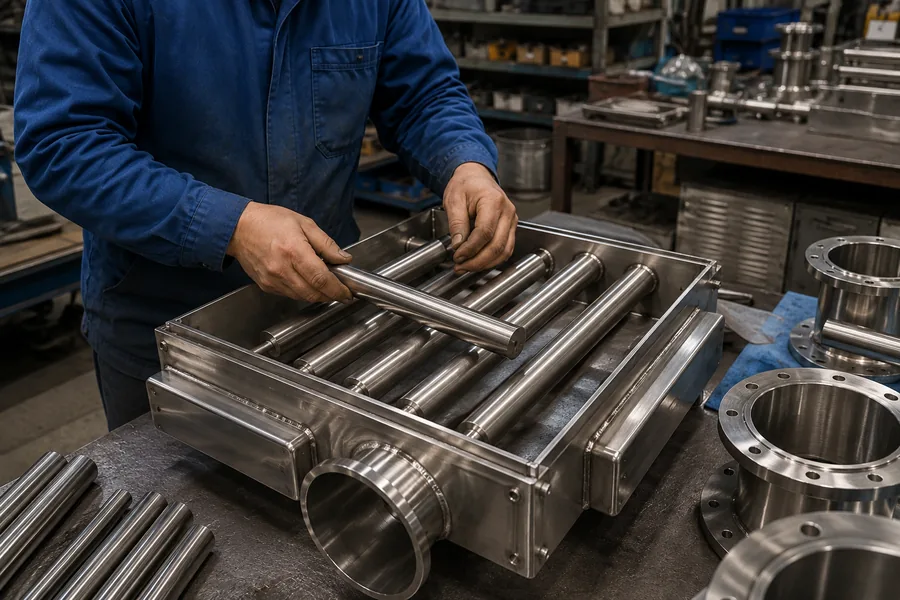
For magnetic bars or components, we can arrange pull-force testing after confirming the test piece, contact condition, pulling direction, and acceptance requirement.
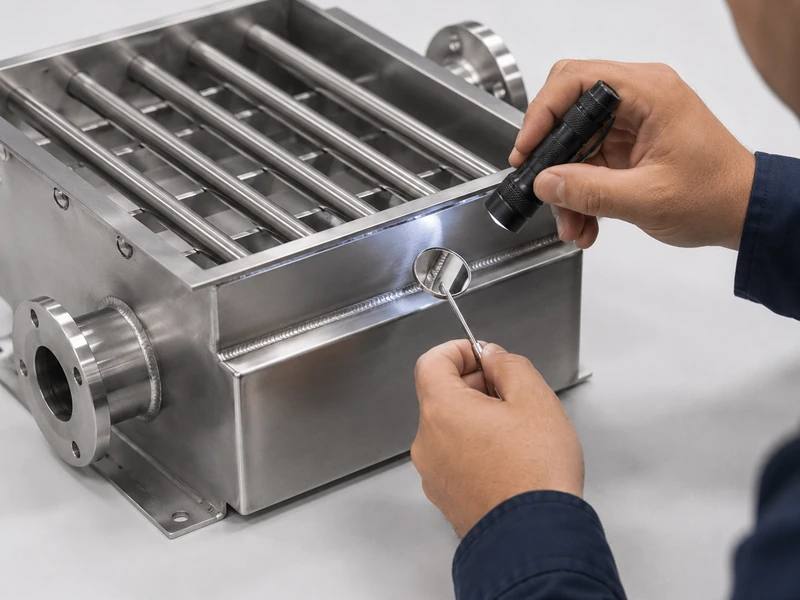
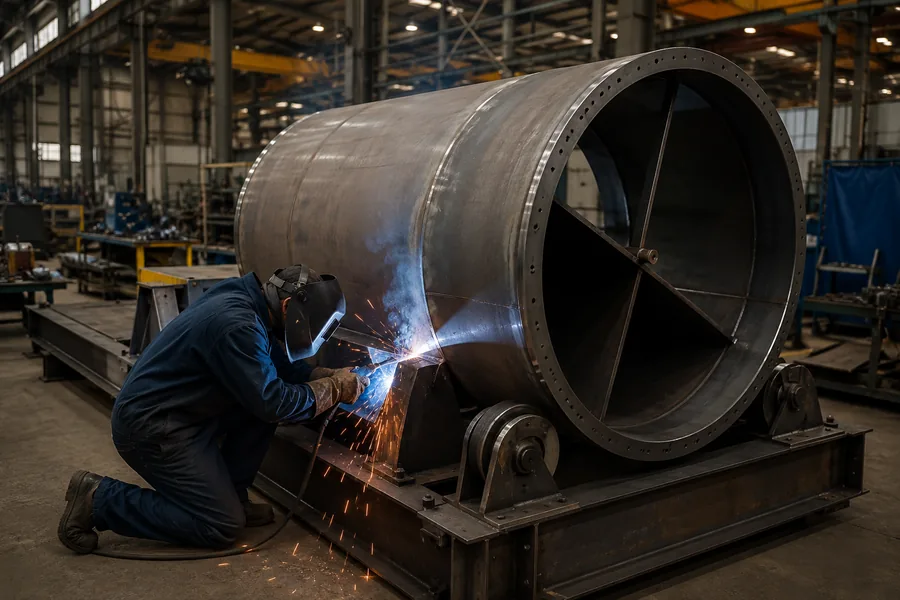
We review visible weld condition, accessible surfaces, housing finish, sharp edges, and project-specific fabrication details before shipment.
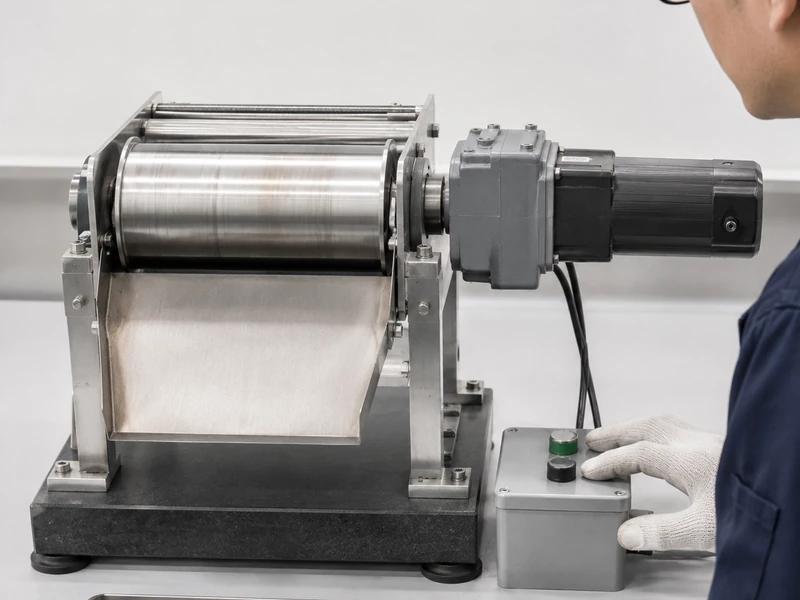
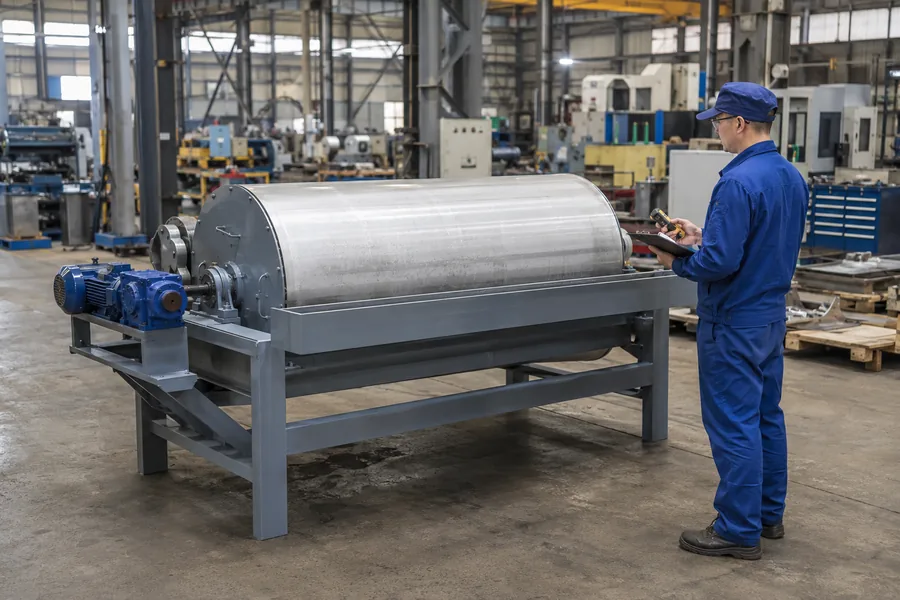
For driven equipment, we check rotation direction, noise, vibration, movement, and basic operating condition before dispatch.
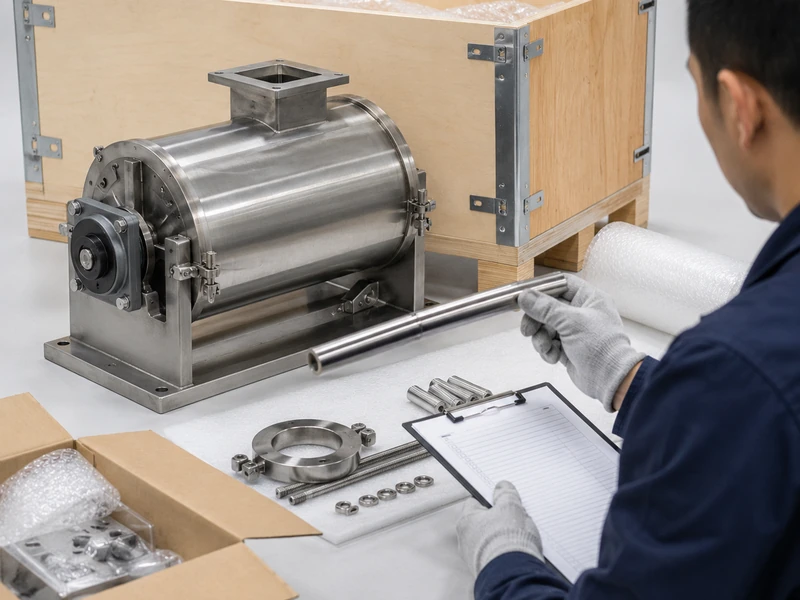
We verify the model, quantity, accessories, labels, documentation, packing protection, and shipment readiness before release.
We first determine whether a standard configuration can solve the application. When the line, material, temperature, space, cleaning, or interface creates additional requirements, we adapt the equipment instead of forcing the buyer to redesign the process around a catalog model.
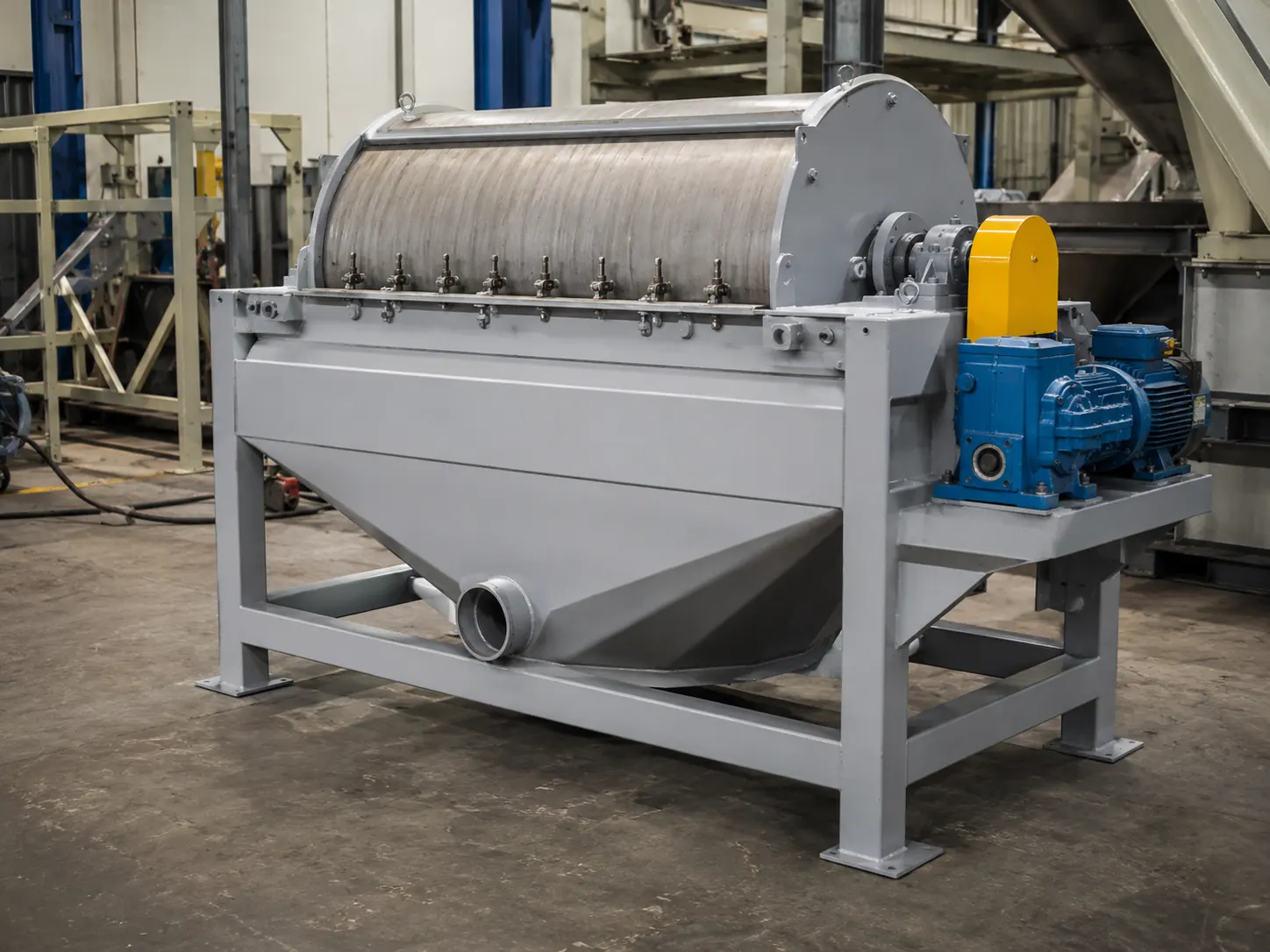
We recommend a standard configuration when the material, capacity, working distance, installation space, and separation objective match an existing equipment design.
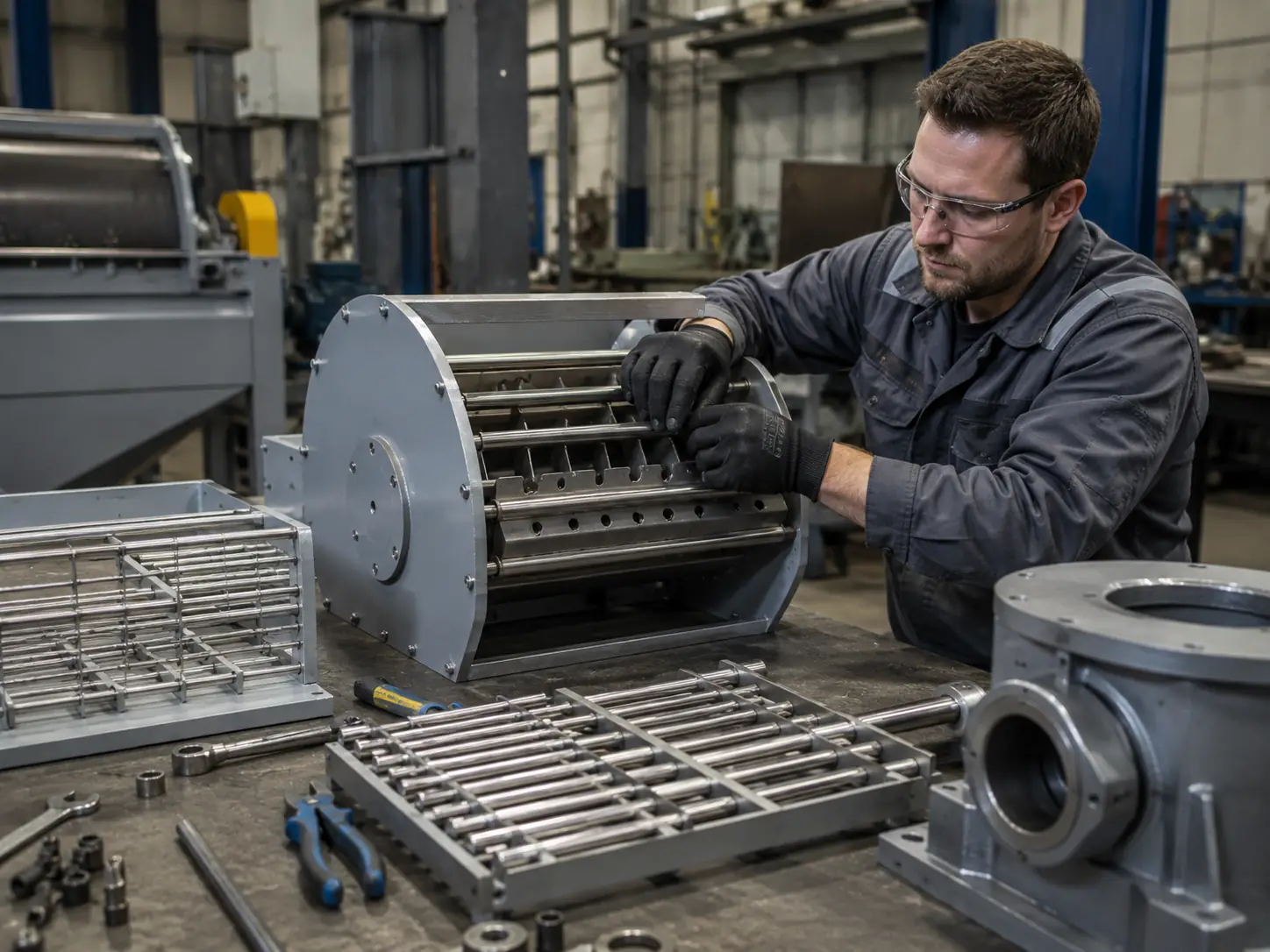
We adapt working width, equipment dimensions, magnetic arrangement, housing material, drive details, and cleaning method when the operating conditions require changes.
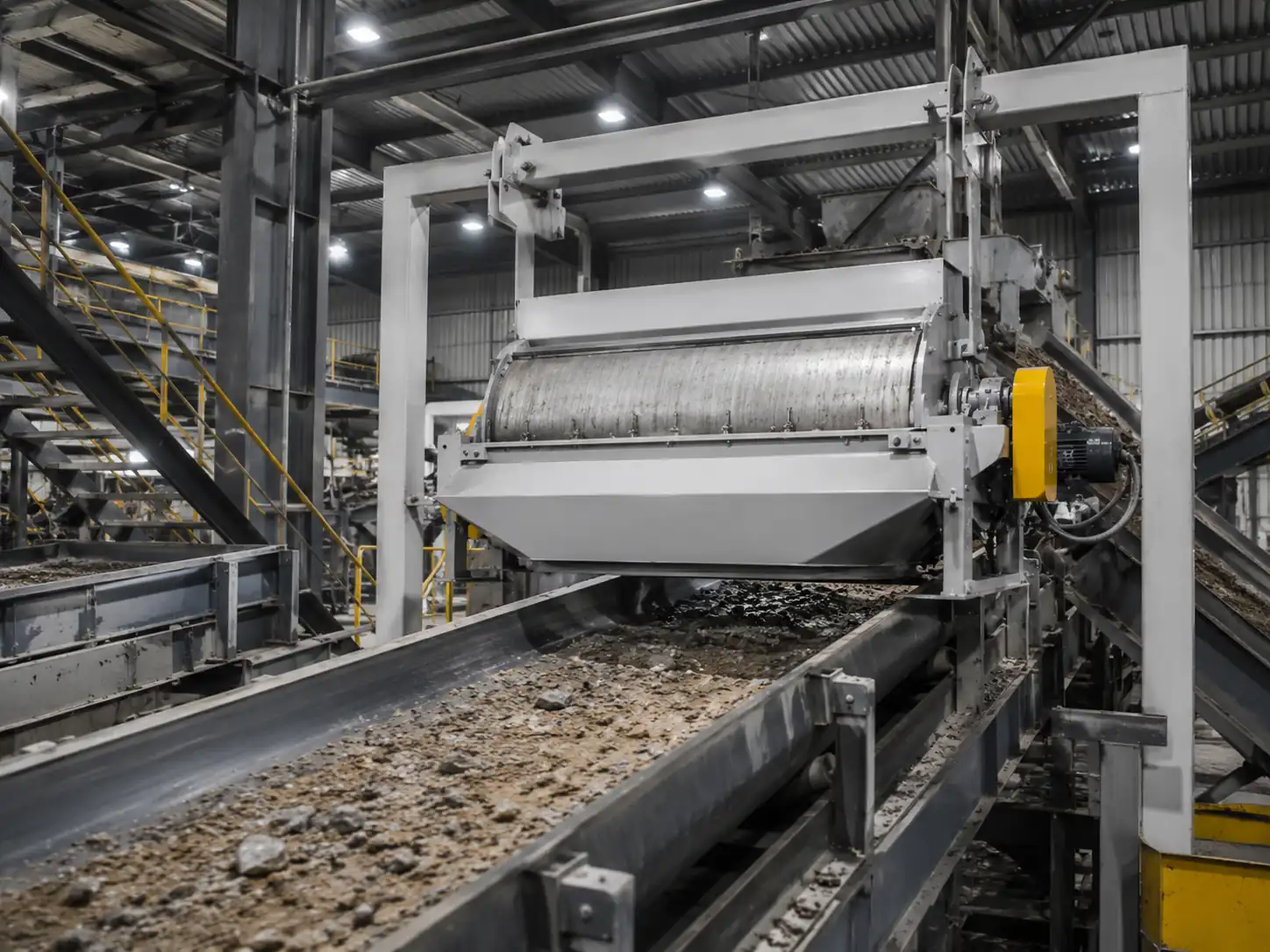
We review mounting points, flanges, chutes, conveyor interfaces, control requirements, access space, and surrounding equipment when the separator must integrate into a larger processing line.