
OSENC Magnetic Separation
A magnetic head pulley must perform two jobs: support and drive or redirect the conveyor belt as specified, and create a useful magnetic separation trajectory. Select it from the existing pulley geometry, shaft and bearing interfaces, belt speed and loads, then define magnetic arc, field, lagging and splitter.
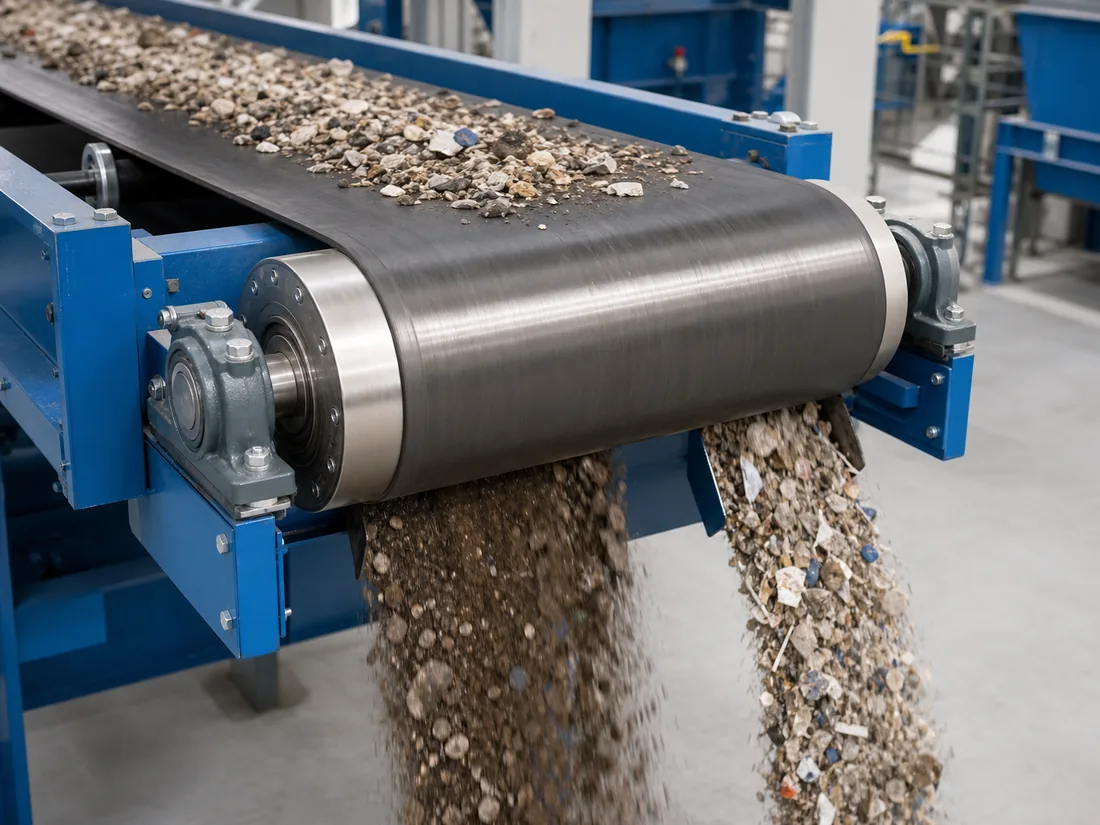
Start with the Existing Conveyor Interface
- Current pulley diameter and face width
- Belt width, thickness, construction and tension
- Shaft diameter, extensions, keys and drive connection
- Bearing type, centres and mounting
- Wrap angle and belt speed
- Drive power, torque and calculated loads
- Available envelope and guarding
Do not assume that a standard magnetic drum can replace a head pulley without mechanical review.
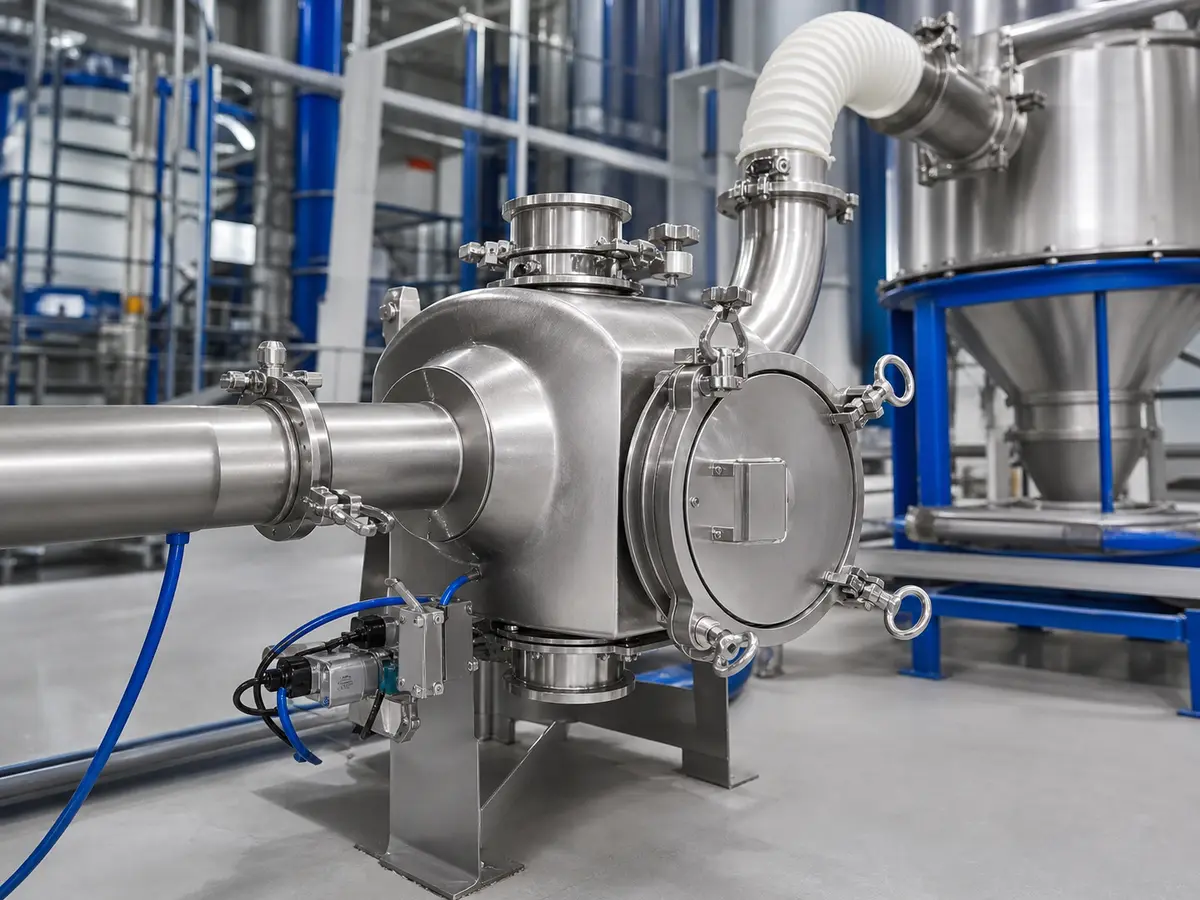
Define the Separation Target
Record target metal, size, shape, frequency and how well it is liberated. Also define feed particle size, layer depth and discharge trajectory. The pulley may suit continuous separation of exposed ferrous pieces but cannot guarantee weakly magnetic targets or iron buried in thick sticky material.
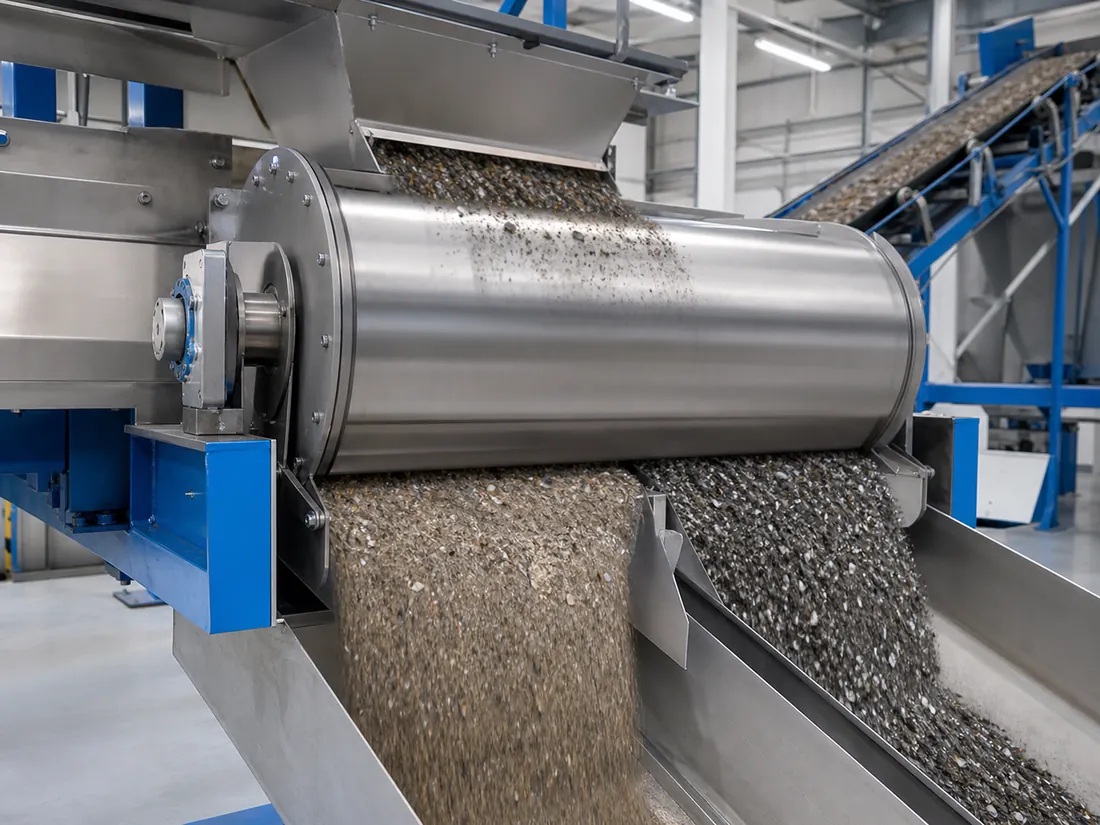
Magnetic Arc and Release Point
The active arc should attract the target as material approaches the discharge and retain it long enough to create a separate release path. Too little retention may mix fractions; an unsuitable release point may carry iron into the wrong chute. Magnetic layout and splitter geometry must be designed together.
Half-Magnetic or Full-Magnetic?
These terms are often used inconsistently. Do not approve them without a drawing showing the active arc, pole arrangement and measurement positions. The required field depends on the application trajectory, not the label alone.
Shell, Lagging and Wear
Confirm whether the pulley requires bare stainless shell, rubber or ceramic lagging, or another wear system. Lagging thickness adds distance between the magnetic circuit and target and can change belt traction and diameter. Material temperature, abrasion, moisture and sharp feed affect the choice.
Splitter and Chute Requirements
- Adjustable splitter range
- Clean and magnetic outlet sizes
- Clearance for the ferrous release trajectory
- Access for observation and sampling
- Protection against buildup and rebound
- Ability to isolate the equipment before adjustment
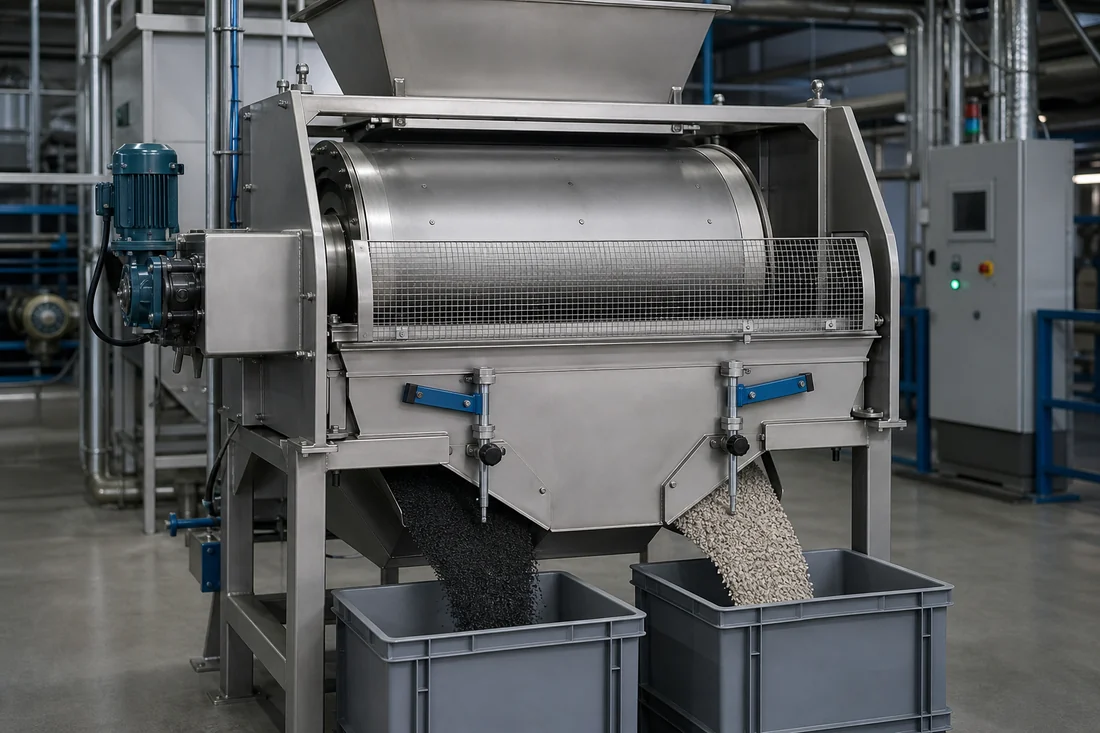
Approval Documents
- General arrangement and replacement dimensions
- Shaft and load calculation responsibility
- Magnetic arc and test map
- Shell or lagging specification
- Bearing and drive details
- Dynamic or runout acceptance where required
- Installation and commissioning procedure
When to Choose a Housed Drum Instead
If material can be removed from the conveyor and fed through an enclosed gravity separator, a housed drum may provide independent speed, enclosure and splitter control. Compare both interfaces before modifying the conveyor.
Review magnetic head pulleys Compare pulley and housed drum Plan installation
Minimum RFQ Data for a Magnetic Head Pulley
| Decision rule | Use a magnetic pulley when conveyor discharge is the correct separation point and target release can be controlled with a splitter and two clear trajectories. |
|---|---|
| Inputs to confirm | Material, target size and liberation, belt width and speed, layer depth, throughput, existing pulley, wrap angle, drive load and required discharge result. |
| Risk or limitation | Replacing diameter, lagging or shaft geometry without checking the conveyor can change belt speed, tension, trajectory and bearing load. |
| Buyer action | Submit the original pulley and conveyor drawings and define runout, balance, magnetic coverage and material-test acceptance. |
What We Need to Configure This Project
Input set for How to Select a Magnetic Head Pulley
- How we use your data: We compare your material, contamination risk, production target and line interface before we configure a proposal or rule out an unsuitable option.
- Material: name and composition; dry or wet; powder, granule, lump, fibre or slurry; minimum, maximum and typical particle distribution; moisture, stickiness, tendency to cake or bridge, abrasiveness, corrosiveness, bulk density, normal temperature and maximum temperature.
- Production and target: normal and peak throughput, continuous or batch feed, feed uniformity, contaminant or recovery target, magnetic response if known, typical and maximum target size, initial concentration, acceptable residual and whether product loss is permitted.
- Installation: belt width and speed, normal and maximum burden depth, magnet position and rated working distance, available suspension and maintenance space, support and lifting arrangement; cleaning method, permitted shutdown, contact-material, wear and corrosion requirements; indoor, outdoor, washdown, high-humidity, dusty or hazardous-area conditions.
- Supporting project files: drive voltage, frequency and phase where a self-cleaning unit is considered; control interface and any site air requirement; destination country; current drawings, site photographs, running video and a representative material/contaminant sample when testing is needed.
- What you receive next: We use the confirmed inputs to prepare a project-specific drawing and inspection plan. We do not treat performance as confirmed until the agreed design and any required representative test or site acceptance establish the result.
Project Support
Need help selecting the right magnetic solution?
Send us your material, flow condition, target metal, capacity, installation space and any drawings or site photos. We will review the application and recommend the next practical step.
Frequently Asked Questions
Why is “Start with the Existing Conveyor Interface” important for this decision?
Do not assume that a standard magnetic drum can replace a head pulley without mechanical review.
Why is “Define the Separation Target” important for this decision?
Record target metal, size, shape, frequency and how well it is liberated. Also define feed particle size, layer depth and discharge trajectory.
Why is “Magnetic Arc and Release Point” important for this decision?
The active arc should attract the target as material approaches the discharge and retain it long enough to create a separate release path.