
OSENC Magnetic Separation
Magnetic Separation for Iron Removal from Foundry Sand
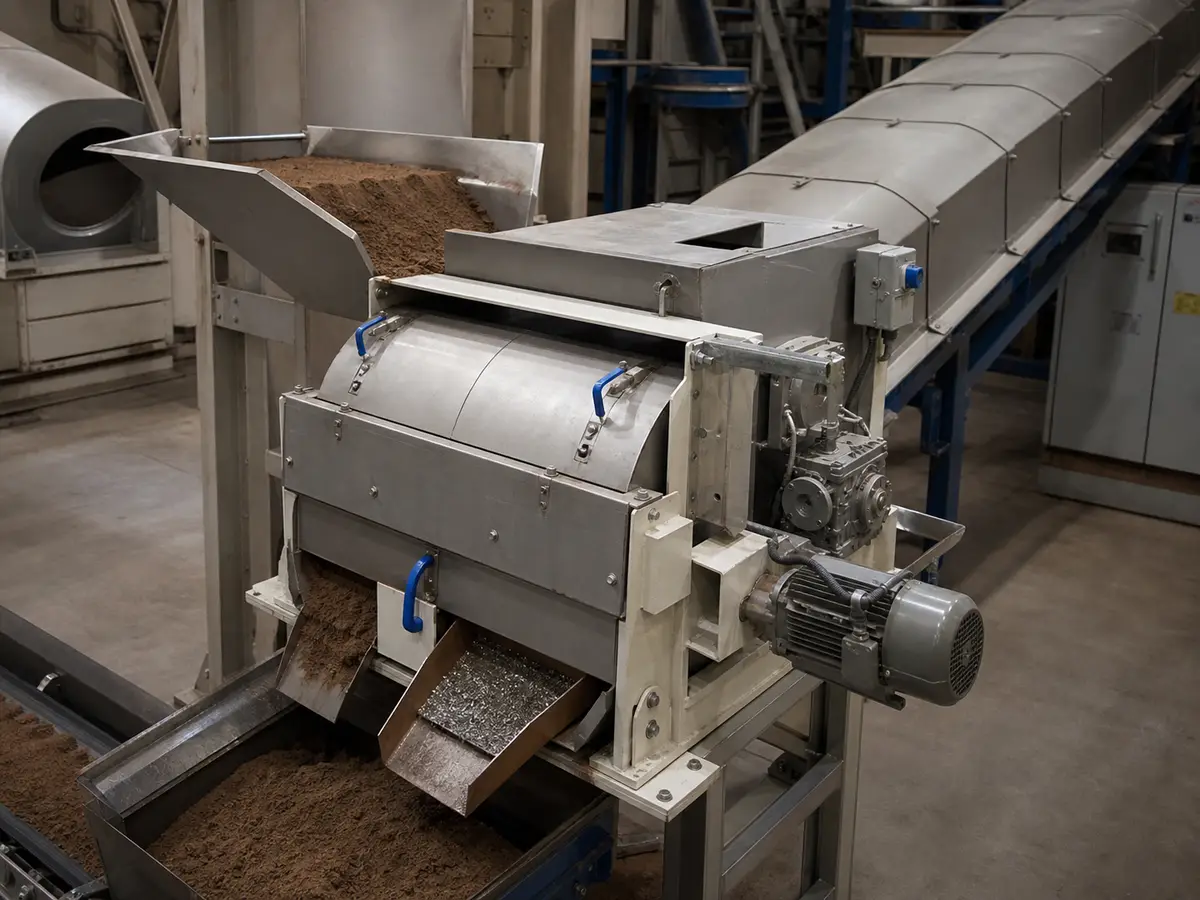
For cooled, dry, free-flowing foundry sand, a magnetic drum or project-specific grate/tube structure may remove exposed responsive iron. Selection depends on sand temperature, fines, moisture, flow rate, abrasion, target size, and whether the objective is equipment protection or sand cleanup. Test the real sand before promising residual iron.
Define the Contamination
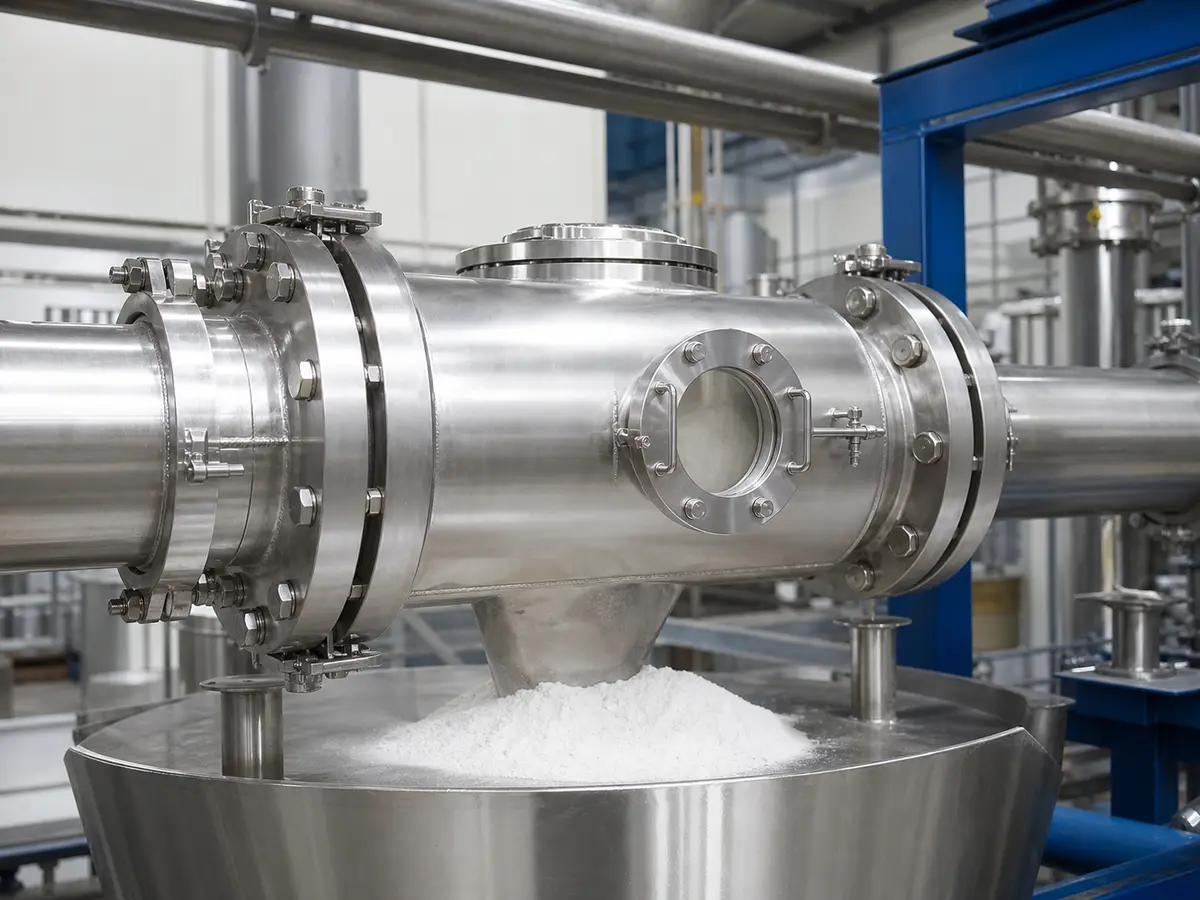
Potential targets include shot, scale, wire, fasteners, casting fragments, and equipment wear. Identify whether the iron is coarse and exposed or fine and mixed with dust/binder. Burnt sand agglomerates can trap metal and behave differently from loose reclaimed sand.
Choose the Process Position
| Condition | First structure to review |
|---|---|
| Conveyor with larger tramp iron | Suspended magnet |
| Controlled dry discharge and continuous cleanup | Housed magnetic drum |
| Fine free-flowing sand through a small opening | Grate/tube concept, subject to abrasion and flow testing |
Temperature Must Be Measured
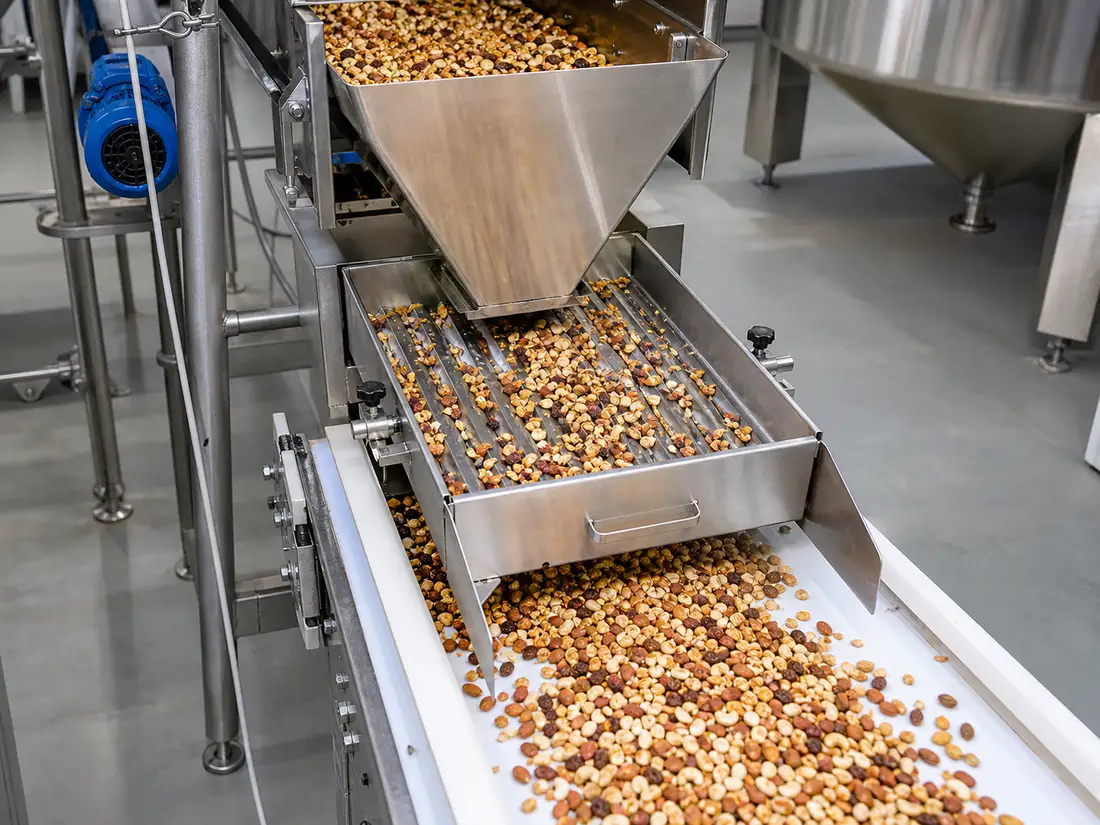
“Cooled sand” is not a specification. Provide normal, peak, and upset temperature plus duration. Magnet grade, stainless cover, seals, bearings, drive, and housing may have different limits. Do not apply a room-temperature magnetic value to a hot operating condition without review.
Flow and Wear
Fine sand can leak through poor seals and enter bearings; abrasive flow wears shells, tubes, chutes, and splitters. Wear protection may increase the working gap. Confirm whether the sand is dry, bonded, damp, or lumpy and whether a feeder distributes it uniformly.
Common Selection Errors
- Using process temperature instead of measured separator-feed temperature
- Assuming all metallic inclusions are strongly magnetic
- Installing close-spaced tubes where agglomerates block the opening
- Ignoring sand leakage and bearing protection
- Claiming sand purity from field measurements
Testing and RFQ Data
Provide representative feed, particle size, temperature, moisture, bulk density, capacity, target iron sample, process diagram, required residual level, and analysis method. Record test feed rate, configuration, collected fraction, and repeatability.
Foundry-Sand Conditions That Control the Equipment Choice
Use these inputs to decide whether the proposed separator and process position fit the real operating duty.
| Equipment direction | A grate or enclosed drawer arrangement can suit cool free-flowing sand, while a drum may be reviewed for continuous separation; hot, bonded or highly abrasive sand requires a product-specific construction review. |
|---|---|
| Material condition | Specify new or return sand, binder system, grain-size distribution, bulk density, moisture, flowability, abrasion, dust and normal and maximum temperature at the separator. |
| Target iron or magnetic fraction | Identify shot, flash, wire, nails, scale and equipment-wear fragments; state whether the target is protection of mixers and reclamation equipment or control of residual metallic contamination. |
| Throughput and presentation | Provide continuous or batch rate, peak dump quantity, chute dimensions, feed uniformity and whether sand can bridge or flood the magnetic contact zone. |
| Installation and access | Confirm heat isolation, wear liner, sealed interfaces, extraction space, dust collection, access for cleaning and the effect of any chute wall on the magnetic working gap. |
| Test or acceptance | Use temperature-conditioned representative sand and record contaminant size and capture after the actual chute or housing geometry is included. |
Combustible Dust and Hazardous-Area Boundary
- For the named dry material, the plant owner must identify any combustible dust, vapour or gas and provide the site hazardous-area classification.
- No-coil permanent equipment is not automatically suitable: assess impact, friction, static, hot surfaces, bearings, drives, sensors and controls in the complete configuration.
- Confirm zone or division, substance and ignition data, dust layers, temperatures, earthing and bonding, cable entries, ingress protection, cleaning and destination-country rules.
- Do not claim explosion-proof or ATEX suitability until configuration-specific marking, declaration, instructions and evidence are verified.
Engineering Conditions Behind the Recommendation
- Do not select from a surface Gauss value alone.
- Review field strength and gradient at the rated working distance, including the conveyor belt, burden depth and any protective plate.
- Belt speed, feed uniformity, target size, shape and magnetic response determine how much time and force are available for capture.
- Mechanical passage capacity is not the same as effective separation capacity.
- Quote or test conditions must identify material, size distribution, moisture, bulk density, normal and peak rate, feed distribution, speed, layer or flow geometry, contamination loading and cleaning interval.
What We Need to Configure This Project
Input set for Magnetic Separation for Iron Removal from Foundry Sand
- How we use your data: We compare your material, contamination risk, production target and line interface before we configure a proposal or rule out an unsuitable option.
- Material: name and composition; dry or wet; powder, granule, lump, fibre or slurry; minimum, maximum and typical particle distribution; moisture, stickiness, tendency to cake or bridge, abrasiveness, corrosiveness, bulk density, normal temperature and maximum temperature.
- Production and target: normal and peak throughput, continuous or batch feed, feed uniformity, contaminant or recovery target, magnetic response if known, typical and maximum target size, initial concentration, acceptable residual and whether product loss is permitted.
- Installation: belt width and speed, normal and maximum burden depth, magnet position and rated working distance, available suspension and maintenance space, support and lifting arrangement; cleaning method, permitted shutdown, contact-material, wear and corrosion requirements; indoor, outdoor, washdown, high-humidity, dusty or hazardous-area conditions.
- Supporting project files: drive voltage, frequency and phase where a self-cleaning unit is considered; control interface and any site air requirement; destination country; current drawings, site photographs, running video and a representative material/contaminant sample when testing is needed.
- What you receive next: We use the confirmed inputs to prepare a project-specific drawing and inspection plan. We do not treat performance as confirmed until the agreed design and any required representative test or site acceptance establish the result.
Project Support
Send your material and process conditions
We can review the process point, material shape, iron source, capacity, available space and cleaning method before recommending a magnetic separator layout.
Frequently Asked Questions
Why is “Define the Contamination” important for this decision?
Potential targets include shot, scale, wire, fasteners, casting fragments, and equipment wear. Identify whether the iron is coarse and exposed or fine and mixed with dust/binder.
Why is “Temperature Must Be Measured” important for this decision?
“Cooled sand” is not a specification. Provide normal, peak, and upset temperature plus duration.
Why is “Flow and Wear” important for this decision?
Fine sand can leak through poor seals and enter bearings; abrasive flow wears shells, tubes, chutes, and splitters.