
OSENC Magnetic Separation
Custom Magnetic Tube for Powder and Granule Iron Removal
Individual Magnetic Element for OEM and Replacement Use
A magnetic tube—also called a magnetic rod or cartridge—captures responsive ferrous contamination when material passes close to its active surface. Specify it by total and effective magnetic length, diameter, end connection, stainless enclosure, magnet material, working temperature, magnetic measurement method, and installation—not a maximum Gauss number alone.
Send Tube Drawing and Material Review Complete Magnetic Grates
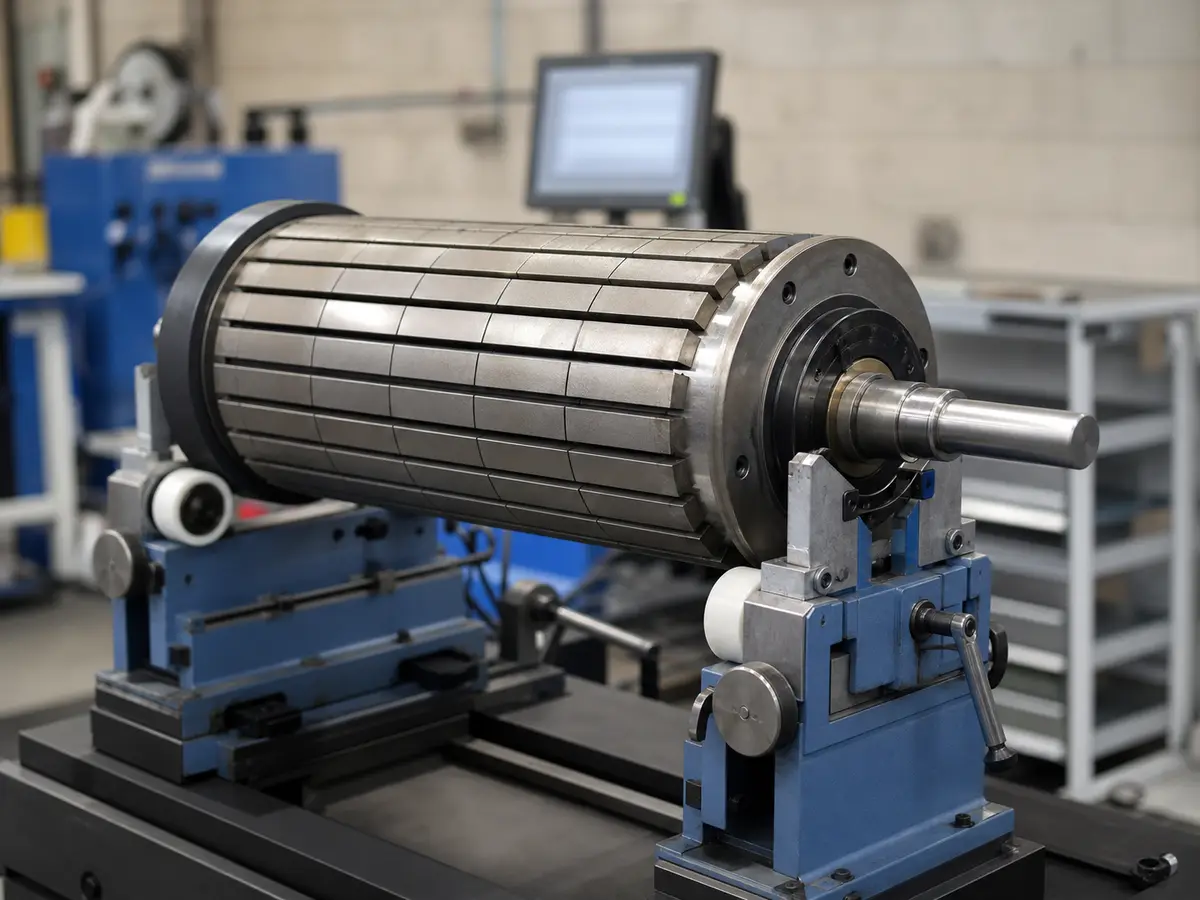
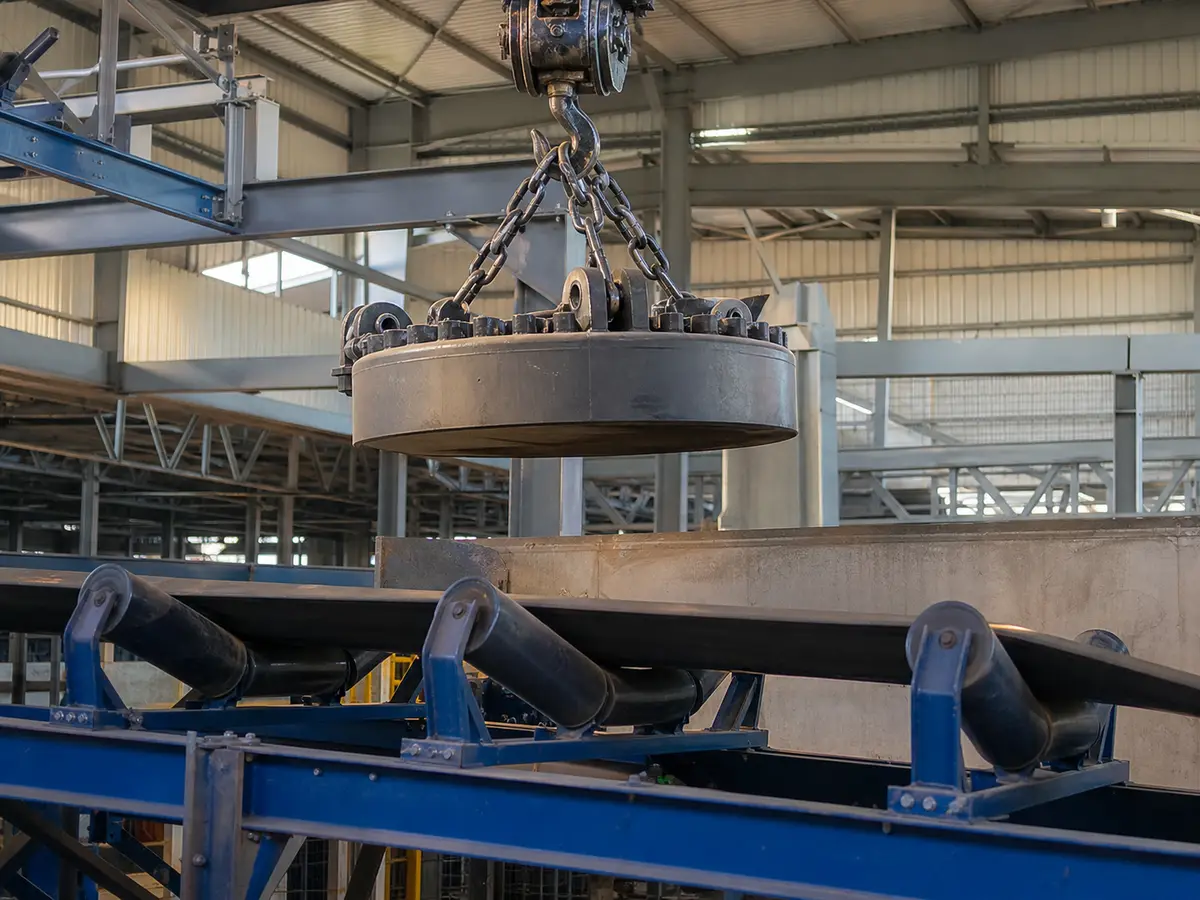
Typical Uses
- Individual element in an OEM hopper, chute, frame, or machine
- Replacement tube in an existing magnetic grate
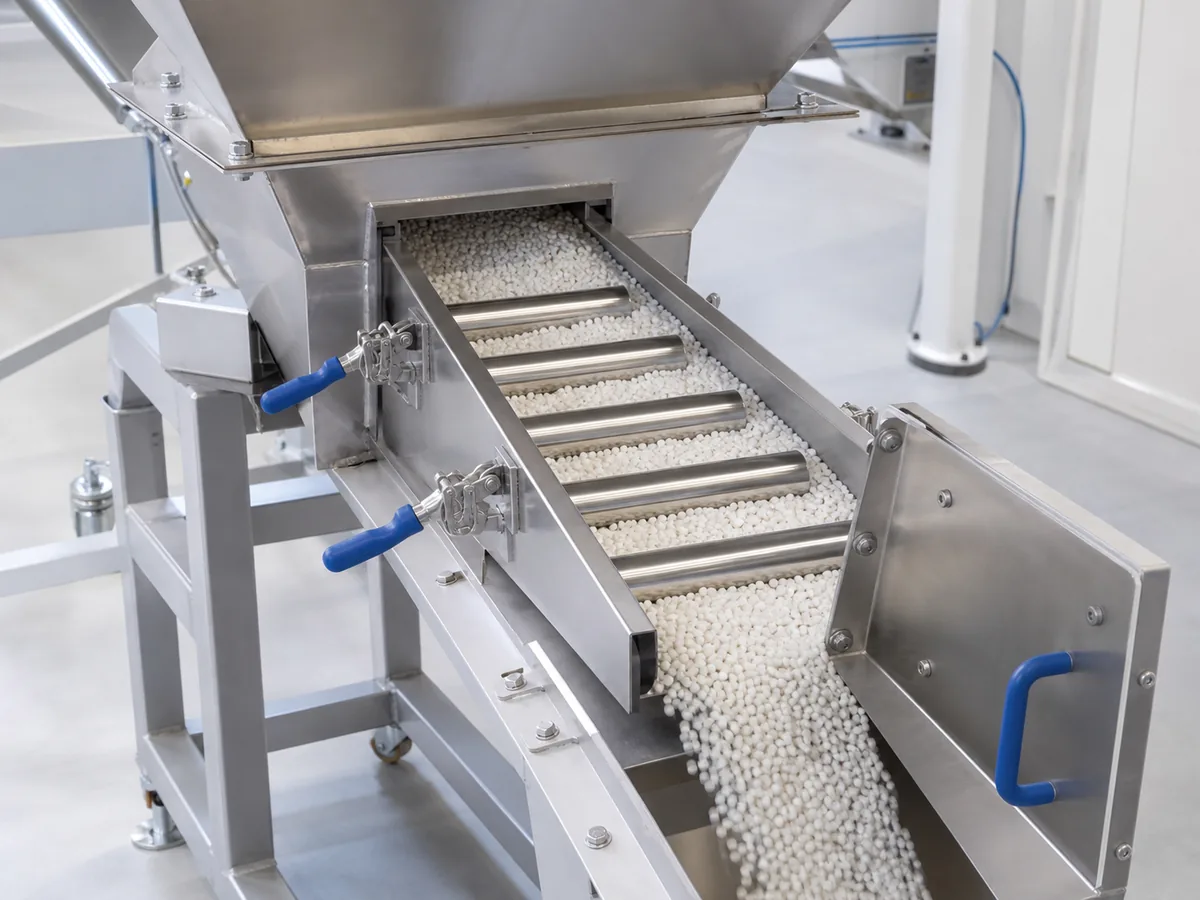
- Small gravity-fed opening with controlled material contact
- Custom magnetic component requiring threads, handles, or mounting ends
Total Length vs Effective Magnetic Length
The ends may contain welds, plugs, threads, handles, or mounting components that are not part of the full-strength magnetic zone. The drawing should identify overall length, active magnetic length, end dead zones, and exact mounting dimensions. A replacement should match both mechanical fit and pole layout where relevant.
End and Installation Details
Potential project ends include internal/external threads, studs, plain sealed ends, handles, or customer-specific fittings. Availability must be confirmed from a real drawing. State thread standard, size, engagement, orientation, sealing, load, and whether the tube is removable under product weight.
How to Specify Surface Field
A defensible requirement identifies maximum or minimum value, measurement points, pole locations, probe/instrument, temperature, and tolerance. Example format: maximum surface flux density measured directly on the stainless tube above identified poles. Field falls rapidly away from the surface, so this value does not represent the full material opening.
Material and Temperature
Confirm SUS304, SUS316, SUS316L, or other enclosure material; wall thickness; weld and finish; internal magnet grade; and continuous/peak temperature. Food, pharmaceutical, corrosion, pressure, or sanitary suitability requires more than a stainless designation.
Flow and Mechanical Boundaries
- Large hard pieces can dent the tube or damage welds.
- Sticky powder can coat the surface and shield captured iron.
- One tube may not distribute material across a large opening.
- Pneumatic pressure/vacuum requires a rated structure.
- Aluminum and copper will not be captured by an ordinary tube magnet.
Inspection
Possible checks include total/effective length, diameter, thread, straightness, surface, weld, polarity/pole map, surface field at defined points, temperature conditioning, pull-force fixture, material record, and packaging. Identify the responsible test party and agreed report.
RFQ Information
Send drawing, overall and magnetic length, diameter, end design, material, finish, temperature, target iron, installation, quantity, magnetic test, documentation, and packaging.
Magnetic-Tube Specification Inputs
The quotation should describe a localized powder or granule flow path and connect each proposed feature to an operating or acceptance requirement.
| Selection logic | Use a tube where material can pass close to the surface and the mounting, cleaning and withdrawal method are controlled by the customer’s equipment. |
|---|---|
| Application inputs | Material chemistry, minimum and maximum particle size, bulk density, moisture, flowability, corrosion and temperature; target iron such as fines, rust, wire or wear fragments, its typical size and the required residual level |
| Mechanical interface | Specify tube diameter, total and effective magnetic length, end threads, mounting orientation, unsupported span and removal clearance. |
| Cleaning and service | Define cleaning frequency, safe handling, collection of released iron and inspection for dents, wear, corrosion or damaged welds. |
| Acceptance method | State the magnetic test position and pole reference, dimensional tolerances, material evidence and any pull-force or flow test method. |
Project Scope and Supply Boundary
Boundary for Custom Magnetic Tube for Powder and Granule Iron Removal
- This is a configurable project page, not a released standard model with universal published performance.
- We confirm the manufacturing route, approved drawing and opening and interface, tube layout, contact materials, shell or sleeve construction, extraction space, cleaning method and flow behaviour for the inquiry.
- Dimensions, magnetic values, pull force, capacity, separation result, materials, certification, lead time and warranty become project facts only in traceable quotation, drawing, inspection or order documents.
Combustible Dust and Hazardous-Area Boundary
- For the powder or granular product, the plant owner must identify any combustible dust, vapour or gas and provide the site hazardous-area classification.
- No-coil permanent equipment is not automatically suitable: assess impact, friction, static, hot surfaces, bearings, drives, sensors and controls in the complete configuration.
- Confirm zone or division, substance and ignition data, dust layers, temperatures, earthing and bonding, cable entries, ingress protection, cleaning and destination-country rules.
- Do not claim explosion-proof or ATEX suitability until configuration-specific marking, declaration, instructions and evidence are verified.
How We Turn This Product into a Project Proposal
Custom Magnetic Tube for Powder and Granule Iron Removal: seller-side application review
- Your buying problem: A catalogue name does not confirm that the magnetic circuit, capacity, cleaning method and installation envelope fit your material or production line.
- What we review: We confirm your material, particle size, moisture, temperature, throughput, contaminant type and size, working distance, interfaces, space, environment and cleaning frequency.
- What we supply: After feasibility and drawing approval, we configure the product scope and coordinate manufacturing and inspection through the appropriate qualified resources.
- Buyer value: This helps you reduce contamination and downtime risk, avoid blockage and interface rework, and prevent payment for magnetic performance that cannot be used at the real working gap.
- Boundary: We do not treat website dimensions, Gauss, capacity, certification or lead time as final until they are confirmed in project documents.
- Next step: Send the material and target, particle range, moisture, temperature, throughput, contamination, installation drawing, available space, cleaning preference and any sample or site video. Send your material and interface data
Project Support
Send your drawing, material data or installation photo
We will review the product structure, magnetic circuit direction, cleaning method, material contact requirements and inspection items before preparing a quotation.
Frequently Asked Questions
Why is “Total Length vs Effective Magnetic Length” important for this decision?
The ends may contain welds, plugs, threads, handles, or mounting components that are not part of the full-strength magnetic zone.
Why is “End and Installation Details” important for this decision?
Potential project ends include internal/external threads, studs, plain sealed ends, handles, or customer-specific fittings. Availability must be confirmed from a real drawing.
How to Specify Surface Field?
A defensible requirement identifies maximum or minimum value, measurement points, pole locations, probe/instrument, temperature, and tolerance.