
OSENC Magnetic Separation
CE marking is not a general certificate purchased from a laboratory. For a magnetic separator placed on the EU market, the responsible manufacturer must identify all applicable EU product rules, assess the complete supplied configuration, prepare supporting technical documentation, issue the applicable declaration, and affix the mark only when the required process is complete.
A RoHS report for a magnet, an EMC report for a motor, or an ISO certificate for a partner factory does not by itself establish conformity of the complete separator.
Send the destination, machine configuration and required delivery date for a document review
Is CE Marking Required for Every Magnetic Product?
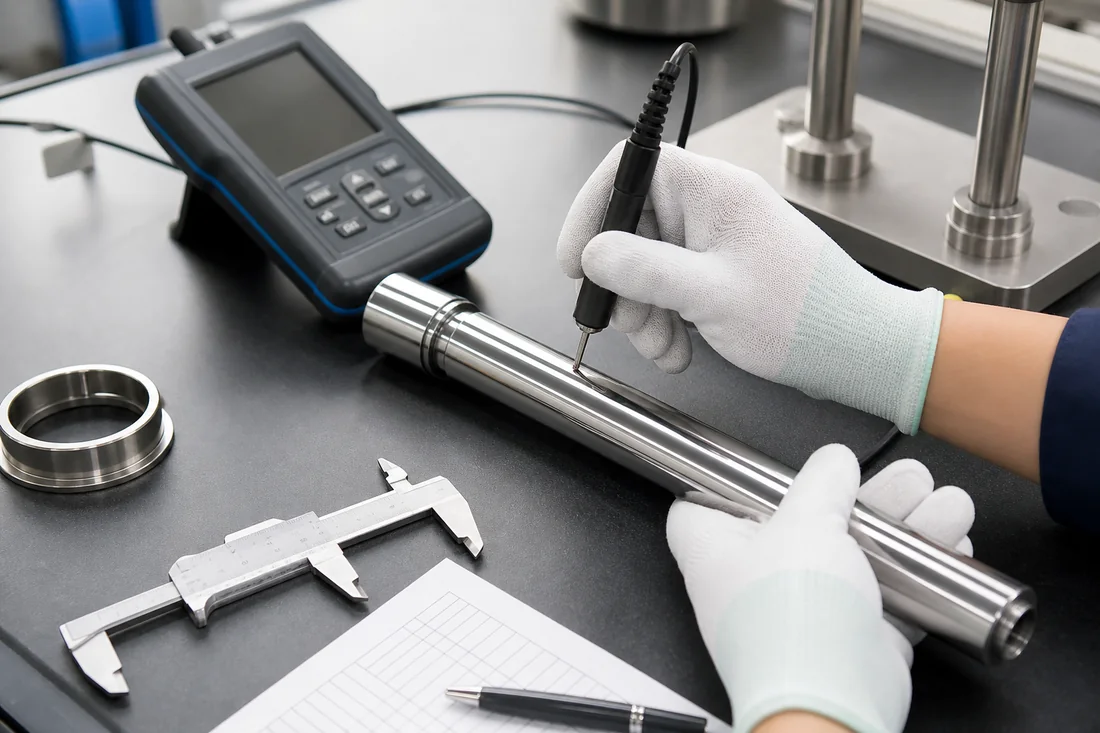
No. The answer depends on what is supplied, its intended use, the destination market, the date it is placed on that market, and the legislation within whose scope it falls. A bare permanent magnet, a magnetic tube, an unpowered suspended magnet, a driven overband separator and a complete processing line are not automatically assessed in the same way.
The boundary of supply matters. A driven separator with guards, controls and an electrical system creates different documentation questions from a magnetic component that a customer integrates into another machine. “No coil” or “permanent magnet” does not automatically mean “no CE assessment.” Mechanical hazards, electrical equipment, electromagnetic compatibility, explosive-atmosphere use and other requirements may still need review.
Current Machinery-Law Transition
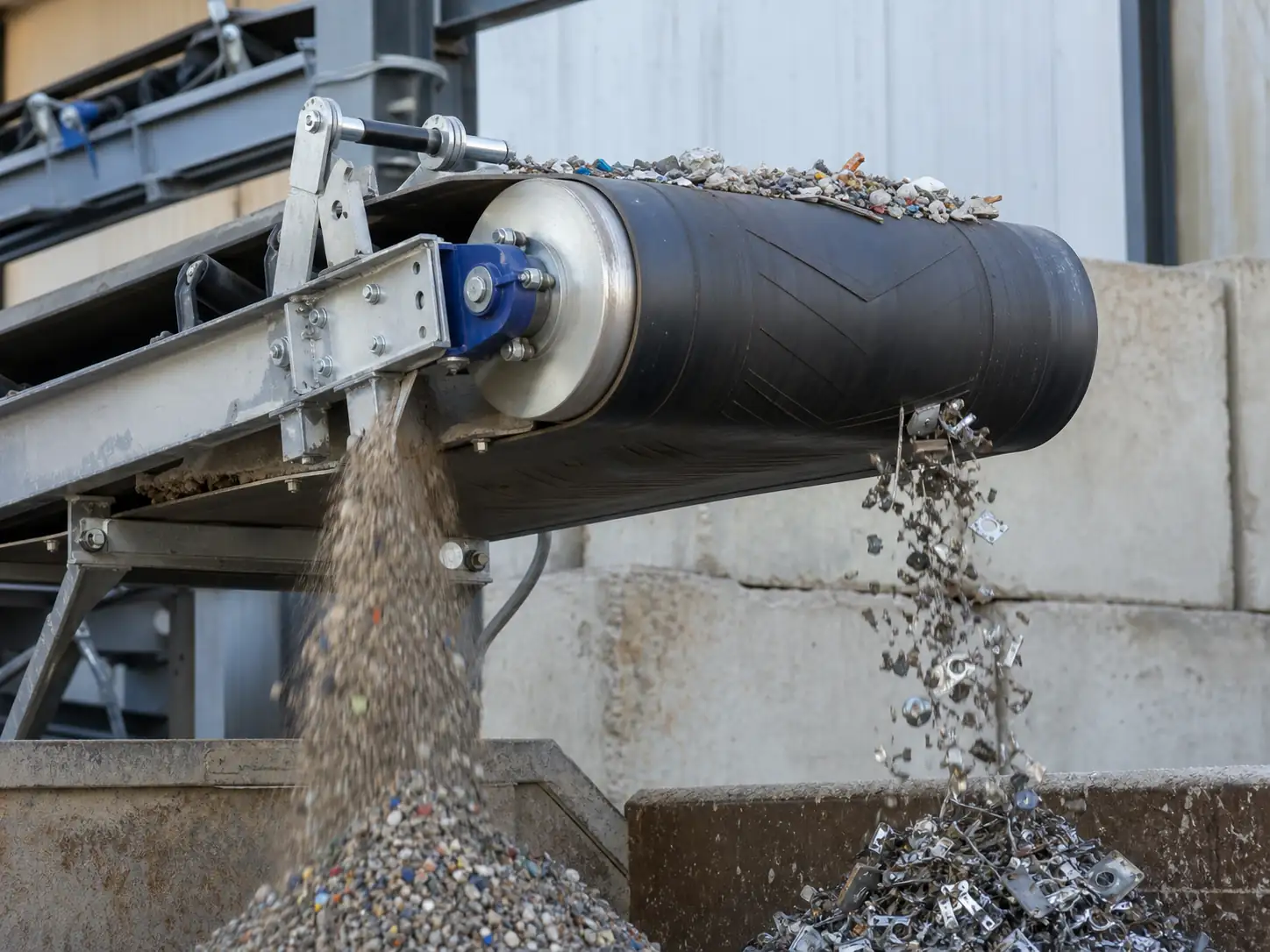
As of our July 2026 review, the Machinery Directive 2006/42/EC remains central for machinery placed on the EU market before the general application of Regulation (EU) 2023/1230. The new Machinery Regulation generally applies from 20 January 2027. The applicable requirements must be checked against the actual placing-on-the-market date and final product scope.
This transition is one reason a quotation should not promise “CE included” without defining the delivery schedule, legal manufacturer and exact configuration. The project documentation may need to be reviewed if the product, legislation or market date changes.
A Practical CE Marking Process
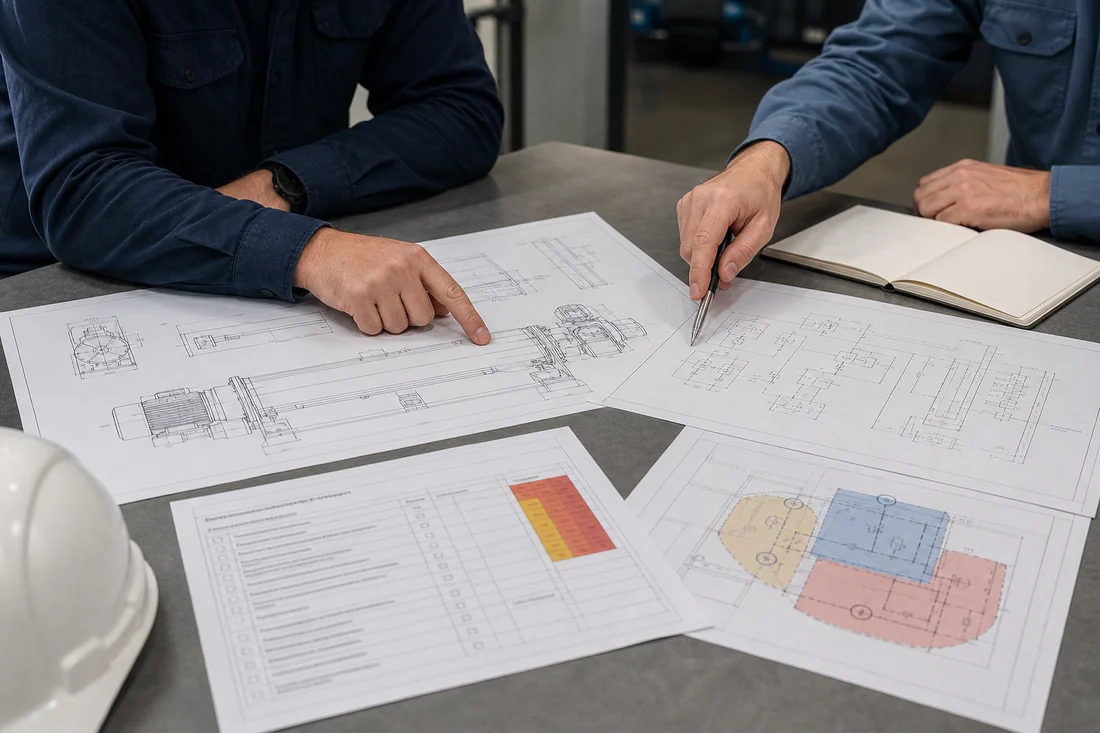
- Define the product. Record the model, intended use, limits, drawings, options, controls, guards and supplied interfaces.
- Identify applicable EU legislation. Do not start with a preferred certificate. Start with the machine and its hazards.
- Identify essential requirements and standards. Record which standards or other technical solutions are used and their dated versions.
- Perform the conformity assessment. Determine whether manufacturer assessment is permitted or whether the applicable procedure requires a notified body.
- Build the technical documentation. Include design, manufacture, operation, risk assessment and evidence for the complete configuration.
- Prepare instructions and markings. Instructions, warnings, nameplate data and required language versions must match the supplied machine.
- Issue and sign the declaration. The responsible organization declares conformity under the applicable legislation.
- Affix CE marking where applicable. The mark follows the completed assessment; it is not the first step.
What Should Be in the Technical Documentation?
The required contents depend on the applicable legislation, but a magnetic-separator file commonly needs a product description, general arrangement and relevant detailed drawings, intended-use limits, risk assessment, safety measures, calculations, component information, test reports, applied standards, instructions and production controls.
For a self-cleaning overband magnet, evidence may need to address the magnetic assembly, cleaning belt, rollers, bearings, drive, guards, lifting points, structural loads, electrical system, emergency or isolation provisions, foreseeable belt failure and maintenance access. A component test report covers only the item and conditions stated in that report.
Documents You Should Request
- Legal manufacturer name and address
- Exact product, model, options and serial-number convention
- List of applicable EU legislation and standards used
- EU Declaration of Conformity, or the correct alternative document where the supply is not complete machinery
- Operating, installation and maintenance instructions in the required language
- Nameplate and warning-label artwork
- Relevant electrical, material and safety test evidence
- Identification of a notified body only when the applicable assessment route requires one
Five Common CE Documentation Errors
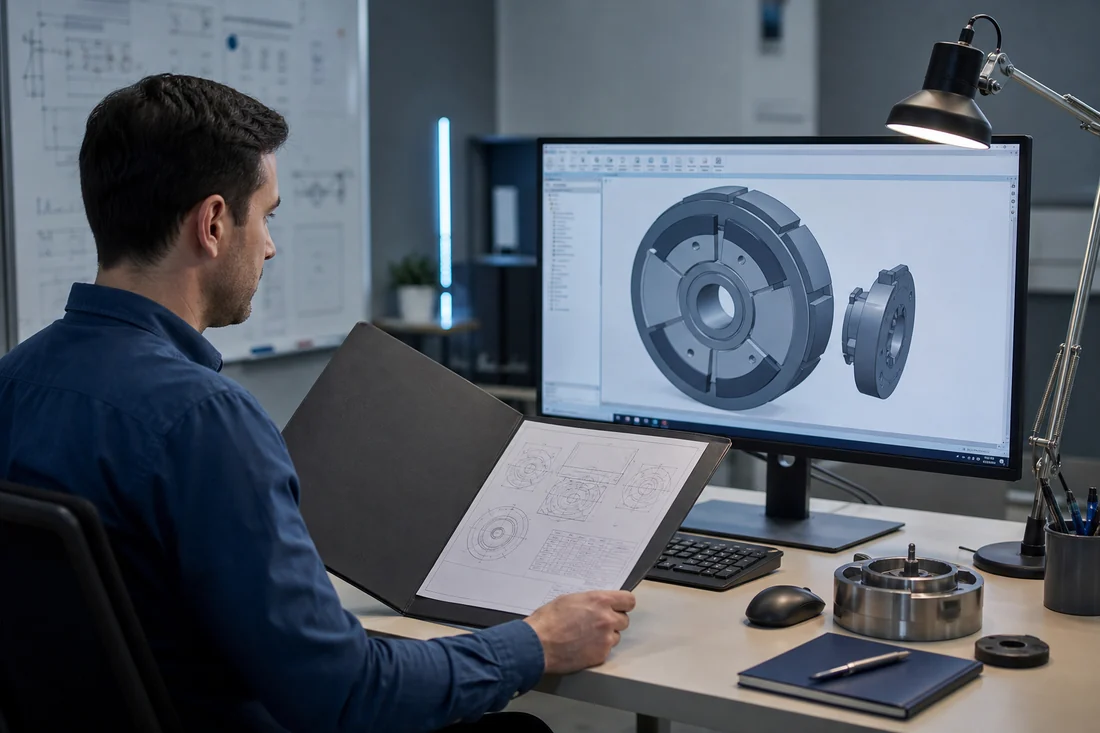
- Calling any laboratory report a “CE certificate.”
- Using a declaration that names a different manufacturer or model.
- Listing only one directive when other product rules may apply.
- Changing a motor, control panel, guard or operating limit without reviewing the assessment.
- Affixing the CE mark before the technical documentation and declaration are complete.
Information OSENC Needs Before Discussing EU Documentation
- Destination country and planned placing-on-market date
- Complete machine, partly completed machinery, replacement component or magnetic part
- Permanent or electromagnetic system and whether a drive is supplied
- Voltage, frequency, controls and customer integration boundary
- Indoor, outdoor, food, corrosive or explosive-atmosphere conditions
- Required language, documentation format and customer standard
We confirm the manufacturing and documentation route for the specific project before accepting a CE-related requirement. General website statements are not a substitute for project documents.
Compare declarations, certificates and test reports Review ATEX application inputs Request a project-specific review
Buyer Verification Before Accepting a CE Claim
| Decision rule | First define whether the supply is a component, partly completed machinery, or a complete driven separator; the responsible legal manufacturer and documentation route depend on that boundary. |
|---|---|
| Inputs to confirm | Exact model and configuration, guards, drive, controls, electrical scope, destination, placing-on-market date, intended use and integration responsibility. |
| Risk or limitation | A CE mark, laboratory report or component certificate from a different configuration does not establish conformity of the complete supplied machine. |
| Buyer action | Request the applicable declaration, identified standards, instructions and traceable technical-file evidence for the quoted configuration before approval. |
Project Support
Need to verify documents before ordering?
Tell us the destination market, product configuration, required declaration, material document, safety requirement and intended operating environment before we confirm what can be supplied.
Frequently Asked Questions
Is CE Marking Required for Every Magnetic Product?
No. The answer depends on what is supplied, its intended use, the destination market, the date it is placed on that market, and the legislation within whose scope it falls.
Why is “Current Machinery-Law Transition” important for this decision?
As of our July 2026 review, the Machinery Directive 2006/42/EC remains central for machinery placed on the EU market before the general application of Regulation (EU) 2023/1230.
What Should Be in the Technical Documentation?
The required contents depend on the applicable legislation, but a magnetic-separator file commonly needs a product description, general arrangement and relevant detailed drawings, intended-use limits, risk assessment, safety measures, calculations, component information, test reports, applied standards, instructions and production controls.