
Crusher damage
Tramp iron breaks hammers, liners, and shafts.
Choose the separator by material behavior, not by industry name.
Dry powder, wet fines, crushed scrap, glass cullet, ore, and slag do not separate the same way.
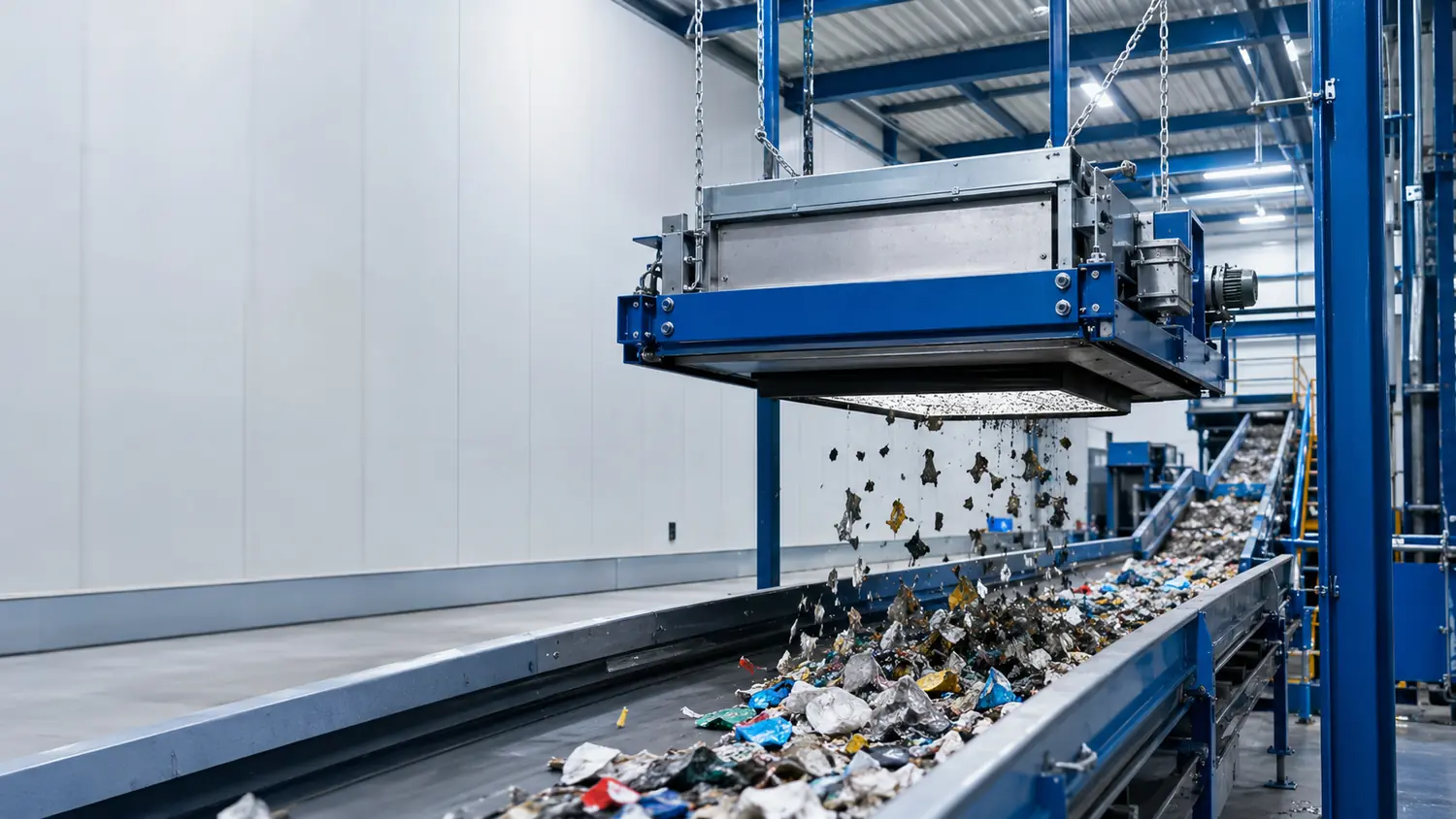
1 Start with the problem on your line
Tramp iron breaks hammers, liners, and shafts.
Contaminated product leads to returns and lost trust.
Tiny iron makes pellets look dirty and lowers grade.
Iron buried deep needs more pull and depth.
Moisture causes carryback, clogging, and poor release.
Aluminum and copper need a different route.
2 Solution map: pick smarter
| Material / Problem | Better First Choice | Works Best When | Be Careful When |
|---|---|---|---|
| Imán suspendido | Iron size > 20 mm, layer < 6" | Deep layer, high speed | |
| Drum Magnet | Fine iron, free-flow, continuous | Very wet or sticky material | |
| Drum Magnet + Grate | Fine iron in flakes, high purity need | Large tramp pieces present | |
| Drum Magnet | Fine iron in glass, consistent feed | Wet glass or heavy clay | |
| Overband + Drum | Hot or abrasive, mixed size | Very large lumps, thick layer | |
| Eddy Current + Magnet | Recover aluminum, remove iron | Wet, conductive dust |
3 Core separation solutions
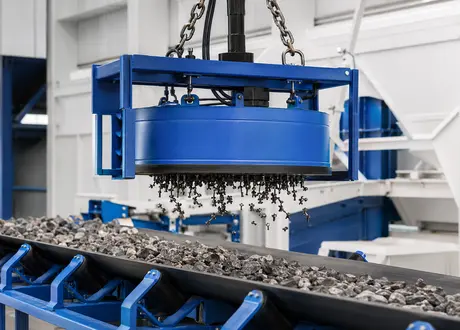
Protect crushers and equipment. Simple, strong, and continuous.
Imán suspendido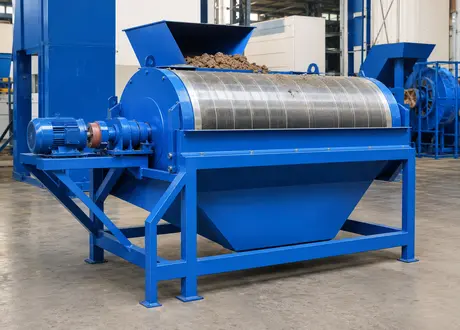
Remove fine and medium iron from free-flowing material.
Tambor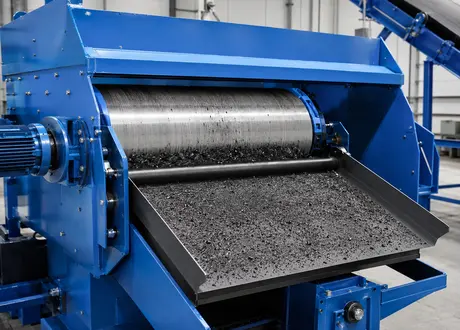
High gradient drums catch fines in plastic, minerals, and powders.
Tambor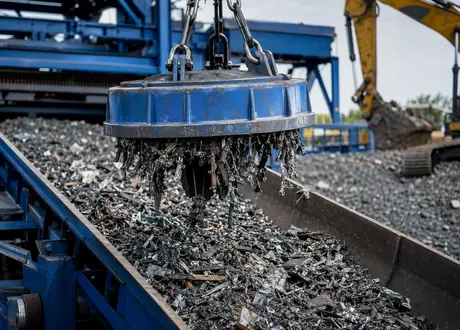
Recover metals from slag and mixed demolition material.
Imán suspendido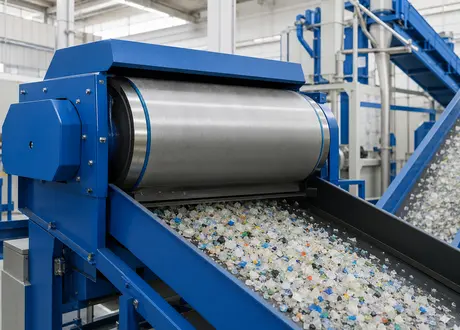
Clean flakes and pellets. Higher purity, better buyer confidence.
Drum + Grate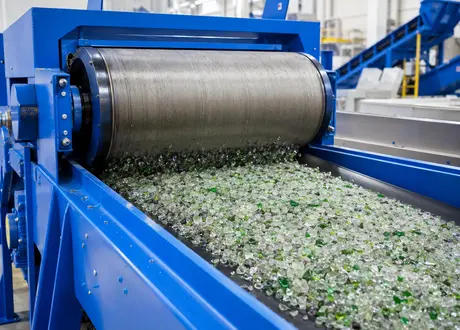
Remove iron without breaking glass. Keep cullet clean.
Tambor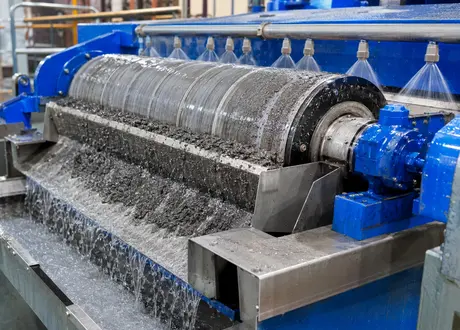
Designed for wet, sticky, and dirty material conditions.
Wet Drum4 Send these details before choosing
5 Where magnetic separation fits
6 Built around your line fit
7 Checked before shipment
8 Common questions. Real answers.
Start with material behavior: dry or wet, free-flowing or sticky, fine or lump, thin layer or deep layer.
Send belt width, belt speed, layer depth, particle size, and target iron size. Then the model can be selected.
Sometimes one machine can cover both. Often the line needs a suspended magnet first and a drum separator after.
Self-cleaning belts, rotating drums, discharge chutes, and scraper systems are selected by material flow.
Do not count on it. Many stainless steels are weakly magnetic or non-magnetic. Test the sample first.
Yes. Confirm line size first. Then drawings, inlet size, discharge direction, and motor position can be fixed.
Send material details and photos. Get the right solution, not a catalog.