
Separación magnética de OSENC
Magnetic Separation for Rubber and Tire Recycling
Separate Liberated Steel from Rubber
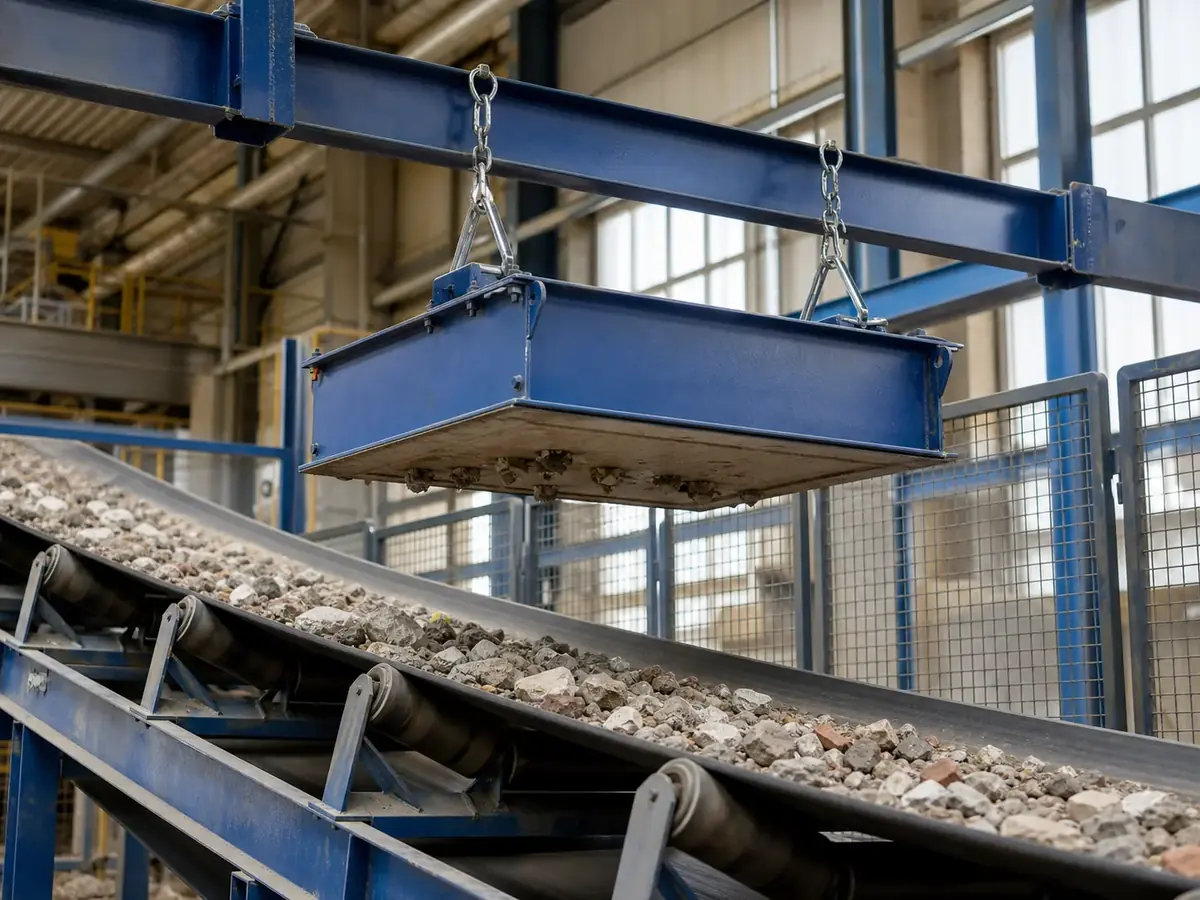
Magnetic equipment can remove steel wire and ferrous fragments only after they are sufficiently liberated and presented within reach of the magnetic field. In tire and rubber recycling, use staged separation after size reduction rather than expecting one magnet to pull embedded reinforcement from intact or thick rubber pieces.
The Main Variable Is Liberation
A clean steel fragment responds differently from a steel wire still wrapped in rubber. The attached rubber increases mass, changes shape, creates drag, and may prevent a distinct discharge trajectory. Record both the steel content and how much rubber remains attached at each processing stage.
Use More Than One Separation Opportunity
| Stage | Objective | Possible solution |
|---|---|---|
| Before primary size reduction | Remove loose tools or heavy tramp | Suspended magnet if burden and working distance permit |
| After shredding | Remove liberated large steel pieces | Separador magnético tipo overband autolimpiante or head pulley |
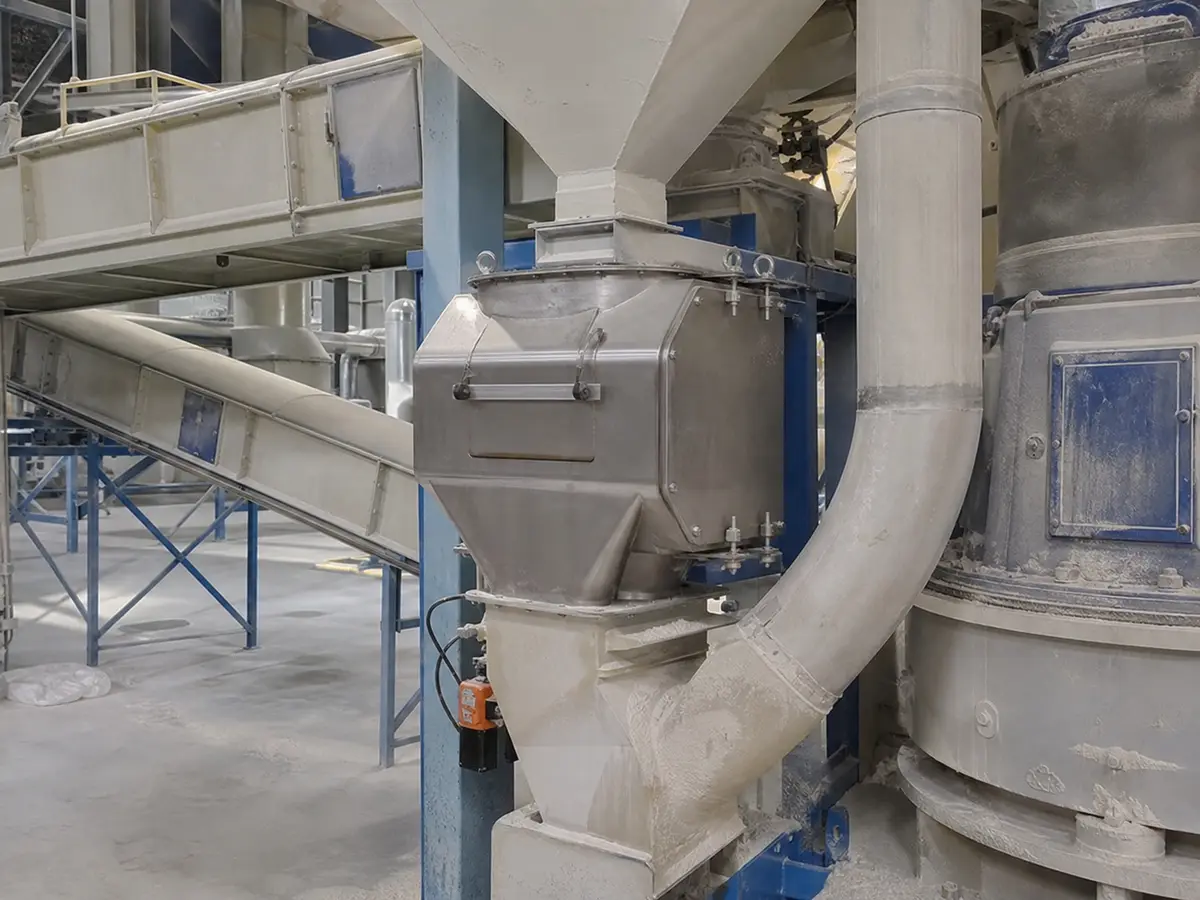
| After granulation | Separate smaller wire and fragments | Polea magnética de cabeza or controlled drum stage |
| Before final product | Reduce remaining exposed ferrous pieces | Additional thin-layer stage selected by test |
Feed Presentation Determines Separation
Spread material into a controlled, reasonably thin layer and prevent surges. Tangled wire, long strips, light rubber, and irregular pieces can bridge, wrap around shafts, or travel unpredictably. Feeders, belt speed, drop height, splitter position, and air movement may affect the result as much as the magnetic circuit.
Datos para la selección
- Rubber source and process stage
- Minimum, typical, and maximum particle size
- Steel-wire diameter, length, shape, content, and liberation
- Normal and peak throughput with bulk density
- Moisture, fiber, dust, temperature, and material tendency to tangle
- Belt width, speed, burden depth, or free-fall feed geometry
- Required rubber purity and how it will be measured
- Available installation, cleaning, guarding, and maintenance space
Selección del producto
- Use an overband for frequent larger ferrous pieces and continuous side or inline discharge.
- Use a head pulley when the conveyor discharge can create separate trajectories for magnetic and nonmagnetic fractions.
- Use a housed drum only when the feed can be distributed and the housing, splitter, wrapping risk, and wear are addressed.
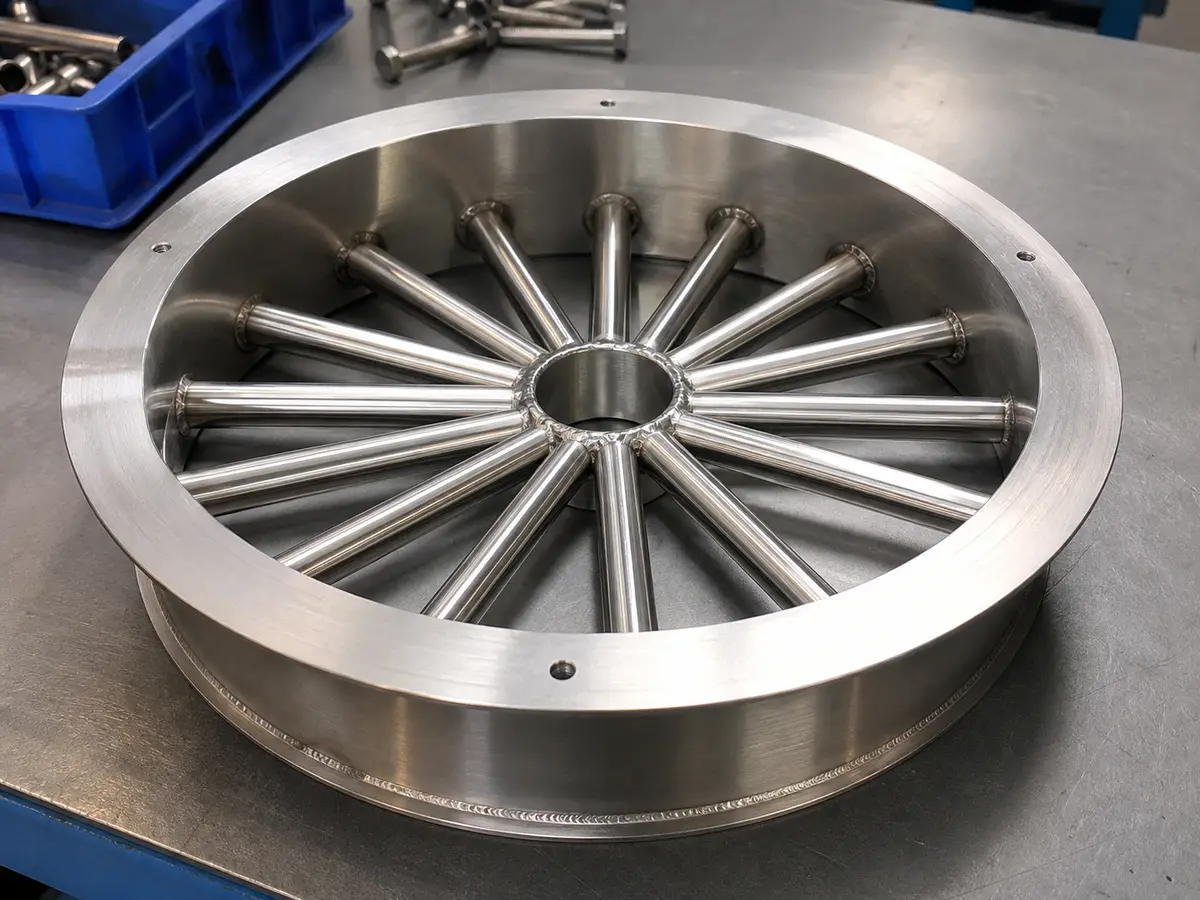
- A magnetic grate designed for powders is generally not the first choice for long steel wire or irregular rubber pieces because of plugging and cleaning risk.
Test the Actual Material
A meaningful test records input mass, particle distribution, liberated and attached steel, feed rate, layer depth, belt or drum speed, splitter setting, collected fractions, and repeat passes. Report both steel recovered and saleable rubber lost with the magnetic fraction. Do not promise a recovery or purity figure from a different feedstock.
Safety and Maintenance
Control wire entanglement, rotating equipment, sharp steel, dust, fire risk, guarding, isolation, and manual handling. Inspect belt damage, wrapping, splitter buildup, bearings, fasteners, liners, and discharge chutes. A sudden change in captured steel may indicate upstream wear or process instability.
Request a Material Review
Send representative samples or clear photographs from each stage, size distribution, steel-wire details, throughput, bulk density, current equipment layout, belt data, required output specification, and available test method.
Rubber and Wire Conditions to Confirm Before Selection
Utilice estos datos para determinar si el separador propuesto y su posición en el proceso son adecuados para las condiciones reales de operación.
| Criterio de selección del equipo | A suspended magnet can remove larger exposed steel before size reduction, while a drum or head pulley may recover smaller liberated wire after shredding and screening. |
|---|---|
| Condiciones del material | Define whole tire, shred, chip, crumb or fiber fraction; record size distribution, bulk density, moisture, fiber content, bounce, tangling and feed uniformity. |
| Fracción ferrosa o magnética objetivo | Describe bead wire, cord wire, fasteners and equipment-wear steel; state liberation level, wire length and acceptable rubber carryover in the magnetic fraction. |
| Capacidad y presentación del material | Provide normal and peak t/h, belt width and speed, layer depth, feeder surges and whether fluffy fiber creates a deeper effective working gap. |
| Instalación y acceso | Confirm wrapping and cleaning access, splitter and collection-bin geometry, guarding, dust and fire controls, and maintenance space around pulleys and bearings. |
| Prueba o aceptación | Test the real liberation stage. Weigh wire recovery and rubber loss in both fractions instead of judging performance from visual capture alone. |
Datos necesarios para configurar este proyecto
Input set for Magnetic Separation for Rubber and Tire Recycling
- Cómo utilizamos sus datos: Comparamos el material, el riesgo de contaminación, el objetivo de producción y la interfaz con la línea antes de configurar una propuesta o descartar una opción inadecuada.
- Material: nombre y composición; seco o húmedo; polvo, gránulo, trozo, fibra o pulpa; distribución mínima, máxima y típica del tamaño de partícula; humedad, adherencia, tendencia a compactarse o formar puentes, abrasividad, corrosividad, densidad aparente, temperatura normal y temperatura máxima.
- Producción y objetivo: capacidad de procesamiento normal y máxima, alimentación continua o por lotes, uniformidad de la alimentación, contaminante que se desea retirar o material que se desea recuperar, respuesta magnética si se conoce, tamaño típico y máximo del material objetivo, concentración inicial, nivel residual aceptable y si se permite la pérdida de producto.
- Instalación: ancho y velocidad de la banda, espesor normal y máximo de la carga, posición del imán y distancia nominal de trabajo, espacio disponible para suspensión y mantenimiento, disposición de soporte e izaje; método de limpieza, tiempo de paro permitido, requisitos de materiales en contacto, desgaste y corrosión; condiciones en interiores, exteriores, con lavado, alta humedad, polvo o áreas peligrosas.
- Archivos de soporte del proyecto: tensión, frecuencia y número de fases del accionamiento cuando se considere una unidad autolimpiante; interfaz de control y cualquier requisito de suministro de aire en el sitio; país de destino; planos actuales, fotografías del sitio, video en operación y una muestra representativa del material y del contaminante cuando se requieran pruebas.
- Lo que recibirá a continuación: Utilizamos los datos confirmados para preparar un plano y un plan de inspección específicos para el proyecto. No consideramos confirmado el desempeño hasta que el diseño acordado y cualquier prueba representativa o aceptación en sitio requerida establezcan el resultado.
Cómo configuramos una solución para su proceso
Magnetic Separation for Rubber and Tire Recycling: seller-side application review
- El problema de su proceso: La contaminación ferrosa puede dañar los equipos posteriores del proceso, reducir la uniformidad del producto, generar rechazos u ocasionar limpiezas y tiempos muertos no programados.
- Lo que revisamos: Confirmamos la forma del material, el tamaño de partícula, la humedad, la temperatura, la densidad aparente, la capacidad de procesamiento normal y máxima, el tipo y tamaño de los contaminantes, el nivel residual requerido y la ubicación en el proceso.
- Lo que configuramos: Comparamos el punto de captura, la estructura magnética, la distancia de trabajo, la presentación del material, el método de limpieza y la interfaz con la línea antes de preparar una propuesta.
- Valor para el comprador: Esto ayuda a interceptar la contaminación antes de una máquina crítica o una etapa de control de calidad, reducir las compras repetidas y evitar un separador que restrinja el flujo normal de producción.
- Limitación: No recomendamos la aplicación cuando el material objetivo no es magnético, la trayectoria del material impide su exposición o el resultado requerido no puede sustentarse sin realizar pruebas.
- Siguiente paso: Envíe el material y el objetivo, rango de partículas, humedad, temperatura, capacidad de procesamiento, contaminación, plano de instalación, espacio disponible, método de limpieza preferido y cualquier muestra o video del sitio. Envíe los datos de su proceso y contaminación
Soporte para proyectos
Envíe los datos de su material y las condiciones del proceso
Podemos revisar el punto del proceso, la forma del material, el origen de la contaminación ferrosa, la capacidad, el espacio disponible y el método de limpieza antes de recomendar una configuración de separador magnético.
Preguntas frecuentes
Why is “The Main Variable Is Liberation” important for this decision?
A clean steel fragment responds differently from a steel wire still wrapped in rubber. The attached rubber increases mass, changes shape, creates drag, and may prevent a distinct discharge trajectory.
Why is “Feed Presentation Determines Separation” important for this decision?
Spread material into a controlled, reasonably thin layer and prevent surges. Tangled wire, long strips, light rubber, and irregular pieces can bridge, wrap around shafts, or travel unpredictably.
Why is “Test the Actual Material” important for this decision?
A meaningful test records input mass, particle distribution, liberated and attached steel, feed rate, layer depth, belt or drum speed, splitter setting, collected fractions, and repeat passes.