
Separación magnética de OSENC
A permanent magnet is not automatically suitable for an explosive atmosphere because it has no excitation coil. A separator may still include moving belts, bearings, impact points, static-generating materials, hot surfaces, motors, sensors or controls. Suitability must be assessed for the complete supplied equipment and the hazardous-area conditions.
Before requesting an “ATEX magnet,” provide the zone, gas or combustible dust, equipment group and category, temperature requirement, ambient range and installation details.
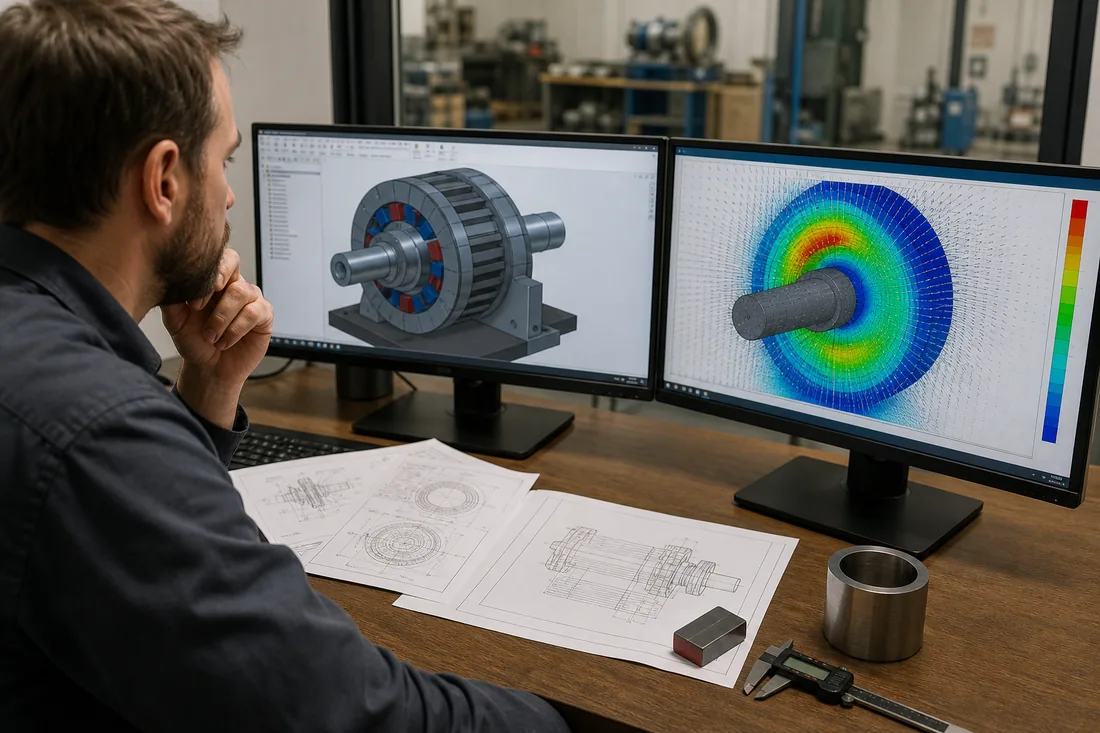
What ATEX Product Rules Address
Directive 2014/34/EU covers equipment and protective systems intended for use in potentially explosive atmospheres within its scope. The equipment manufacturer’s obligations and the workplace operator’s hazardous-area classification are related but not interchangeable. The operator must provide reliable area and substance information; the equipment supplier must assess the defined product against the applicable product requirements.
An equipment label or component certificate cannot be extended beyond its stated group, category, atmosphere, temperature and configuration.
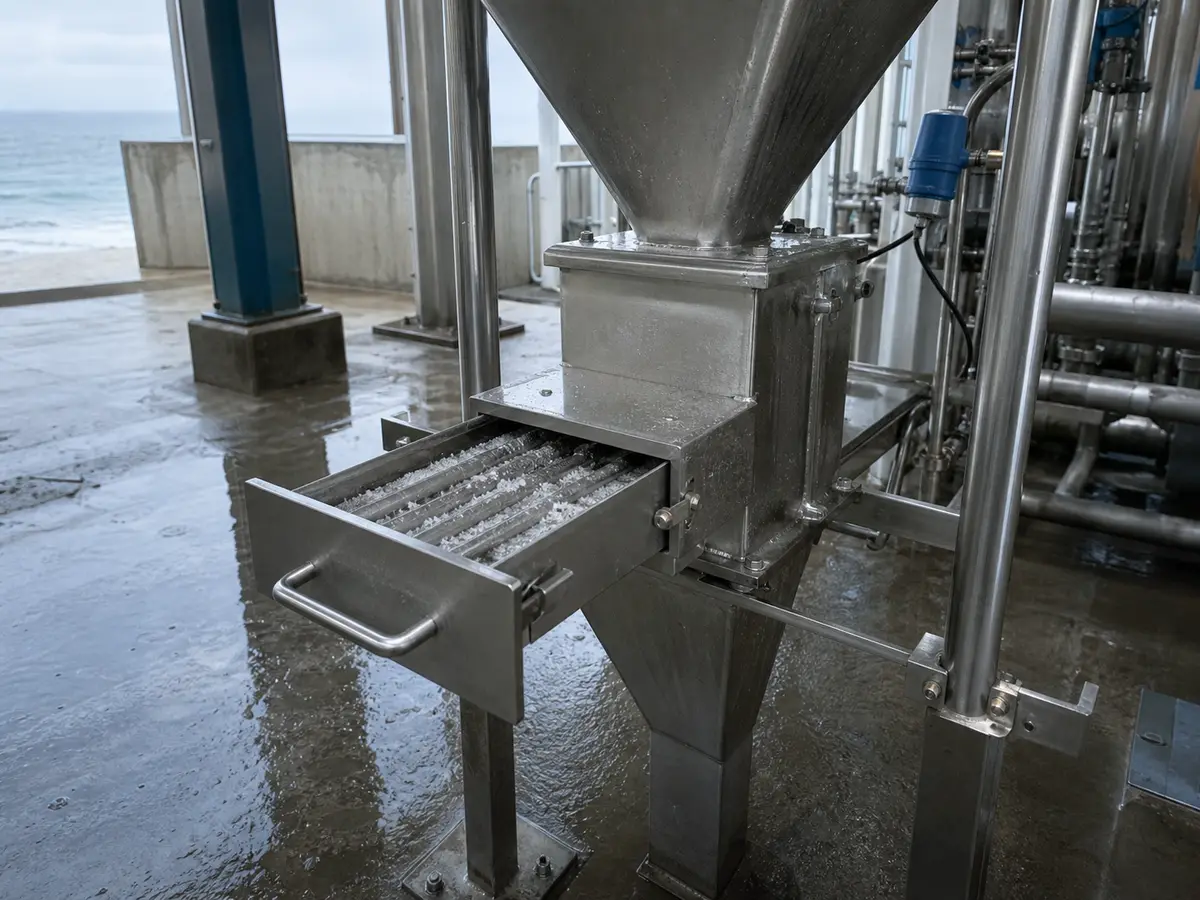
Hazardous-Area Data Required in the RFQ
- Country of installation and applicable project standard
- Zone and who classified it
- Gas, vapour, mist or combustible dust
- Substance identity and relevant ignition characteristics
- Equipment group, category or required protection level
- Gas/dust group and temperature class or maximum surface temperature
- Minimum and maximum ambient temperature
- Indoor/outdoor exposure, ingress and corrosion conditions
- Material temperature, dust accumulation and cleaning method
- Customer power, controls, earthing and bonding requirements
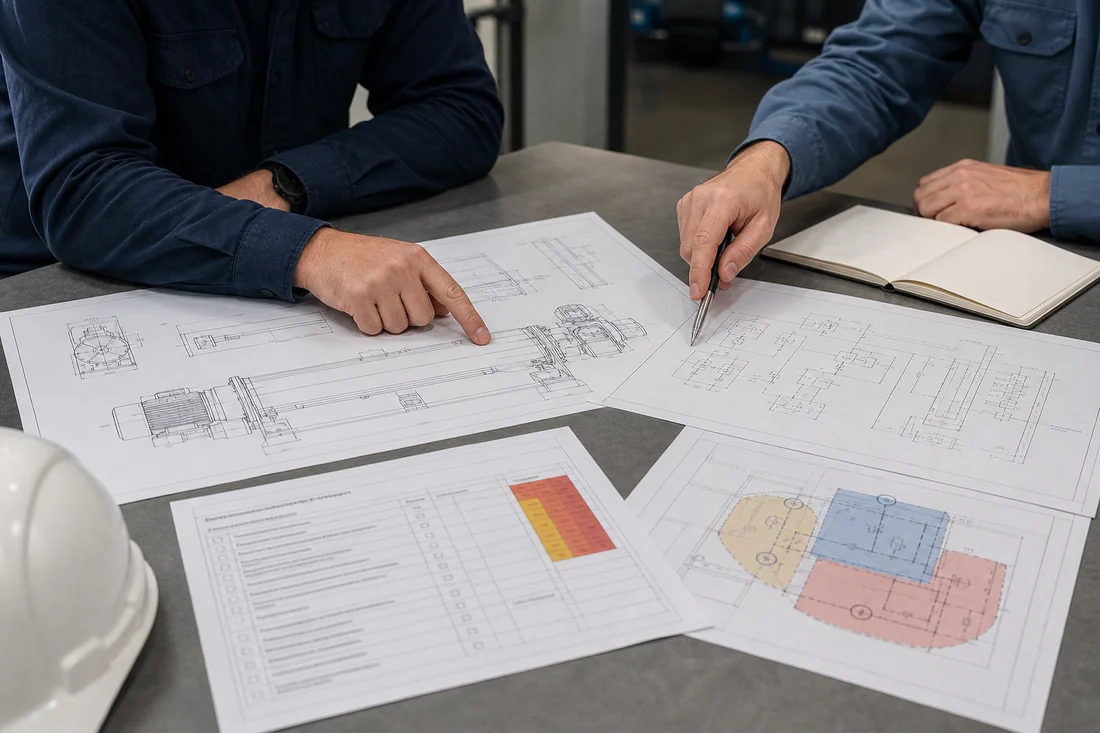
Potential Ignition Sources to Review
| Area | Questions for a separator |
|---|---|
| Mechanical contact | Can trapped metal, belt damage, misalignment or rotating parts create impact, friction or sparks? |
| Bearings and drive | How are temperature, lubrication, overload and failure controlled? |
| Static electricity | Are belts, sleeves, liners and bonding provisions suitable for the defined atmosphere? |
| Electrical parts | Do the motor, sensors, junction boxes and controls have the required protection and markings? |
| Hot surfaces | What surface temperature can occur during normal operation and foreseeable malfunction? |
| Dust deposits | Can accumulated dust insulate hot parts, obstruct cleaning or create a hazardous layer? |
Different Product Types Create Different Questions
Static magnetic tube or grate: review installation, product flow, impact, static, grounding/bonding, cleaning and any non-metallic sleeves or seals.
Manual-clean suspended magnet: review structure, collected-metal impact, cleaning procedure, surrounding equipment and the operator’s safe access.
Self-cleaning overband magnet: add the belt, rollers, bearings, drive, tracking, guards, sensors and failure modes.
Electromagnetic separator: add excitation, electrical enclosure, controls, temperature rise and cooling arrangement. OSENC does not currently list electromagnetic overband separators as a confirmed launch product.
Documents You Should Check
- Exact model and configuration matching the quotation
- Required ATEX marking and its interpretation
- EU Declaration of Conformity and applicable standards
- Certificates or notified-body documents where the conformity route requires them
- Ignition hazard assessment and technical-file evidence
- Installation, operation, inspection and maintenance instructions
- Special conditions of use and ambient limits
- Component certificates matched to the assembled equipment
Statements to Reject
- “Permanent magnets cannot ignite anything.”
- “The motor is ATEX, so the complete machine is ATEX.”
- “ATEX is not required because the equipment is outside the vessel.”
- “Stainless steel construction makes the separator explosion-proof.”
- “Suitable for all zones” without complete marking and evidence.
Review the wider CE process Check document types Submit hazardous-area application data
Information Required Before an ATEX Equipment Review
| Criterio de decisión | Begin with the operator’s hazardous-area information; only then can the complete separator configuration and its mechanical, electrical and non-electrical ignition risks be assessed. |
|---|---|
| Datos por confirmar | Zone, gas or dust, group, minimum ignition data where applicable, equipment category, temperature class or maximum surface temperature, ambient range and installation location. |
| Riesgo o limitación | An ATEX motor alone does not make the complete overband magnet compliant, and a permanent magnet without a coil can still introduce impact, friction, static or hot-surface risks. |
| Acción del comprador | Require configuration-specific marking, declaration, instructions and scope evidence; do not substitute a component certificate for the assembled machine. |
How We Support Your Document Decision
ATEX Magnetic Separators: Information Required Before Selection: seller-side application review
- Your procurement risk: A certificate, declaration or material report can name the wrong company, site, model or scope and still look convincing during supplier approval.
- Lo que revisamos: We compare the quoted configuration, legal manufacturer, intended use, destination, applicable requirement, document issuer, validity and traceability.
- What we provide: We identify which project documents can come from OSENC, the selected manufacturing partner, a material supplier or a third-party body, and we state that source clearly.
- Valor para el comprador: This helps you reduce approval risk, avoid accepting an irrelevant certificate and prevent a documentation gap from delaying import clearance after the equipment is built.
- Limitación: We do not convert a partner management-system certificate or component report into an unsupported OSENC or complete-machine compliance claim.
- Siguiente paso: Envíe el material y el objetivo, rango de partículas, humedad, temperatura, capacidad de procesamiento, contaminación, plano de instalación, espacio disponible, método de limpieza preferido y cualquier muestra o video del sitio. Send the configuration and document requirement
Soporte para proyectos
Need to verify documents before ordering?
Tell us the destination market, product configuration, required declaration, material document, safety requirement and intended operating environment before we confirm what can be supplied.
Preguntas frecuentes
What ATEX Product Rules Address?
Directive 2014/34/EU covers equipment and protective systems intended for use in potentially explosive atmospheres within its scope.
Why is “Different Product Types Create Different Questions” important for this decision?
Static magnetic tube or grate: review installation, product flow, impact, static, grounding/bonding, cleaning and any non-metallic sleeves or seals.
Why is “Statements to Reject” important for this decision?
Review the wider CE process Check document types Submit hazardous-area application data