
Separación magnética de OSENC
An EU Declaration of Conformity is the manufacturer’s signed legal declaration for the identified product under the applicable EU legislation. A test report records results for a defined sample and method. A third-party certificate records what the named certification body assessed within its stated scope. Technical documentation is the broader evidence file supporting the compliance conclusion.
These documents support different decisions. A passing test report is not automatically a CE certificate, and an ISO 9001 certificate is not product conformity evidence.
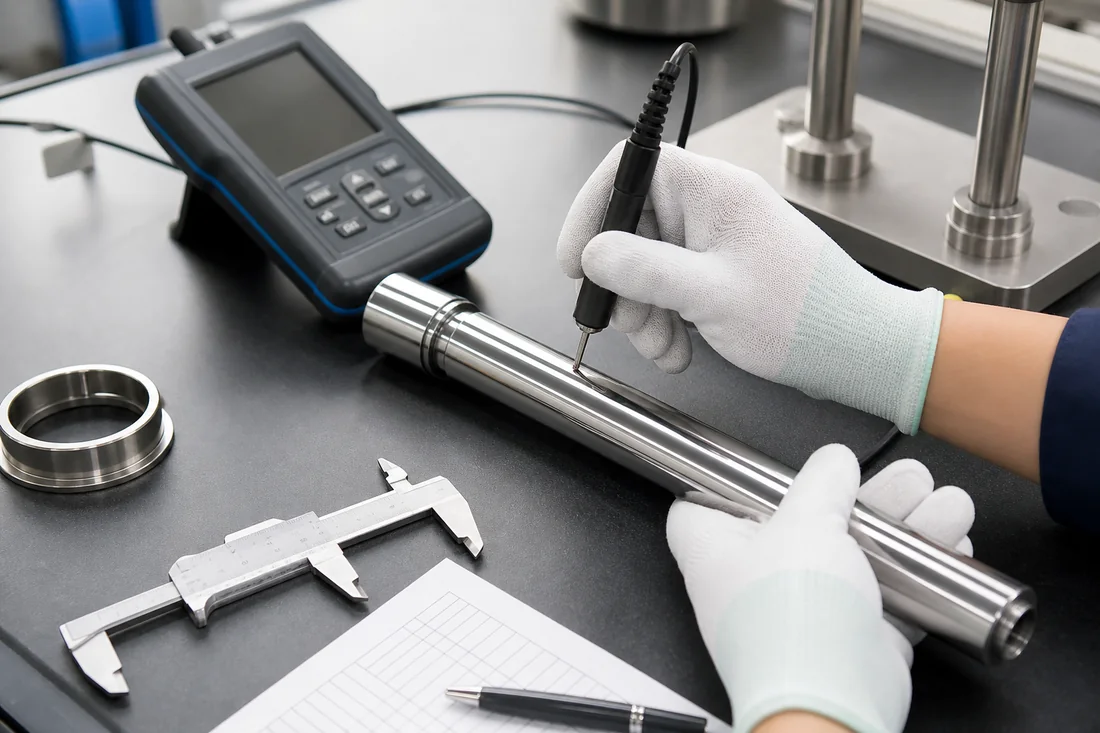
Compare the Four Document Types
| Document | Primary issuer | Main purpose | Critical limitation |
|---|---|---|---|
| EU Declaration of Conformity | Manufacturer or authorized representative as allowed by applicable rules | Declare that the identified product meets applicable EU legislation | Valid only for the named product/configuration and must be supported by evidence |
| Third-party certificate | Certification or notified body, where relevant | Record an assessment performed under a stated scheme or procedure | Covers only its stated scope; not every CE route requires one |
| Test report | Internal or external laboratory | Report observations and results for an identified sample and method | Does not by itself assess all legislation or production control |
| Technical documentation | Compiled by the responsible manufacturer | Demonstrate design, manufacture and operation satisfy applicable requirements | Must represent the current complete product, not a folder of unrelated reports |
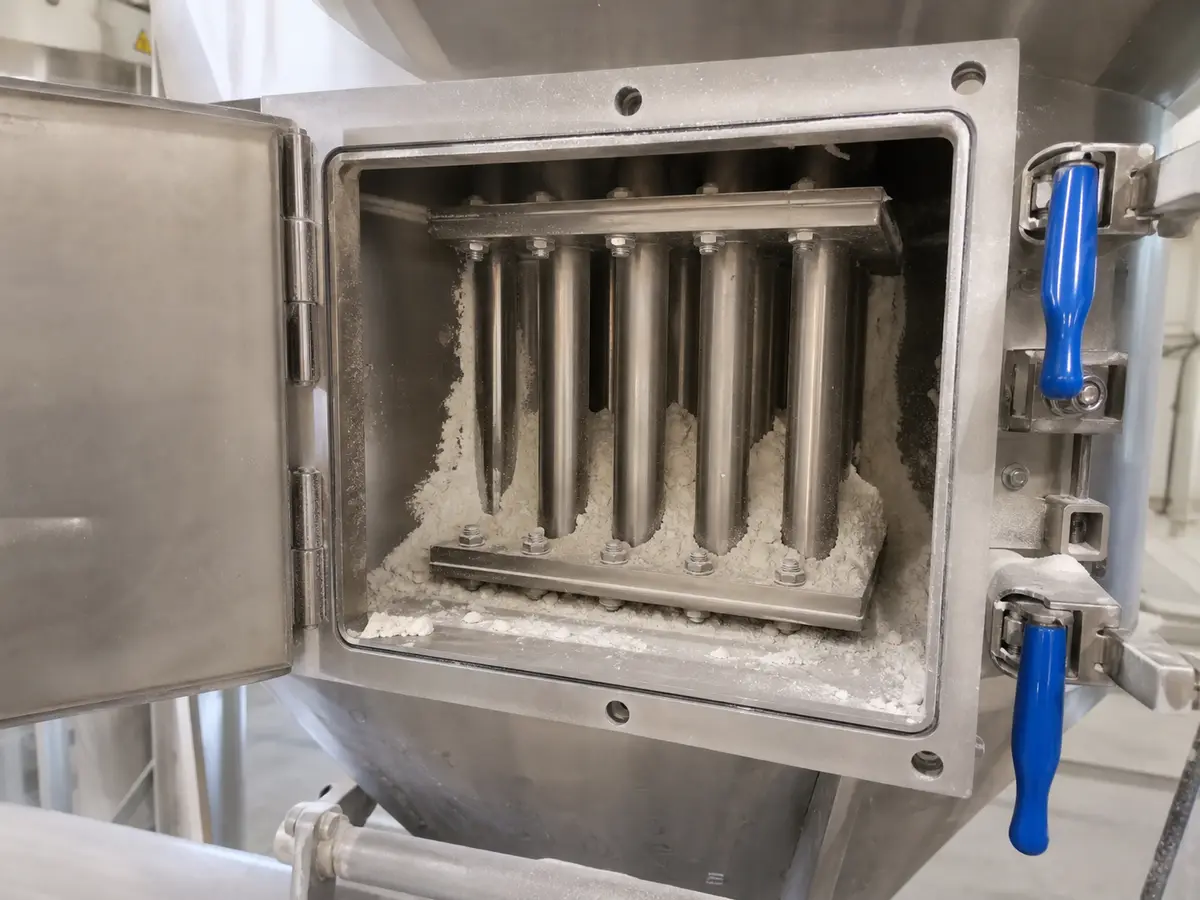
What to Check on an EU Declaration of Conformity
- Manufacturer name and address
- Unambiguous product, model and configuration identification
- Statement that the declaration is issued under the manufacturer’s responsibility
- Applicable directives or regulations
- Standards or technical specifications used, with versions where required
- Notified-body details only where applicable
- Place, date, authorized person’s name, function and signature
- Consistency with the nameplate, manual, quotation and supplied machine

What to Check on a Test Report
- Laboratory and report number
- Customer and manufacturer, if stated
- Sample description, model, drawing revision and serial or batch number
- Receipt, test and issue dates
- Test method or standard and its edition
- Equipment, calibration status and environmental conditions where relevant
- Measured results, units, uncertainty where relevant and acceptance limits
- Deviations, exclusions and pages/attachments
- Authorized approval and whether the report can be verified with the issuer
Magnetic-Separator Examples
Example 1: Surface Gauss report
A report measuring maximum surface flux density on one magnetic tube supports only the stated tube, positions, instrument and conditions. It does not demonstrate pull force at a working gap, capture efficiency in flowing material, food-contact suitability or conformity of a drawer-magnet assembly.
Example 2: Motor certificate
A document for the motor does not cover the overband separator’s frame, belt, guards, rollers, sensors, control integration or assembled-machine hazards.
Example 3: RoHS laboratory report
A material report for a coated magnet may support the final manufacturer’s technical file, but it is not the final equipment manufacturer’s EU Declaration of Conformity.
How to Build a Document Matrix
- List the supplied product, options and integration boundary.
- Identify applicable legal, customer and contractual requirements.
- Assign each requirement to a design record, supplier document, inspection or test.
- Identify the document issuer and responsible reviewer.
- Set approval timing and required product/batch traceability.
- Resolve gaps before shipment and retain the approved revision.
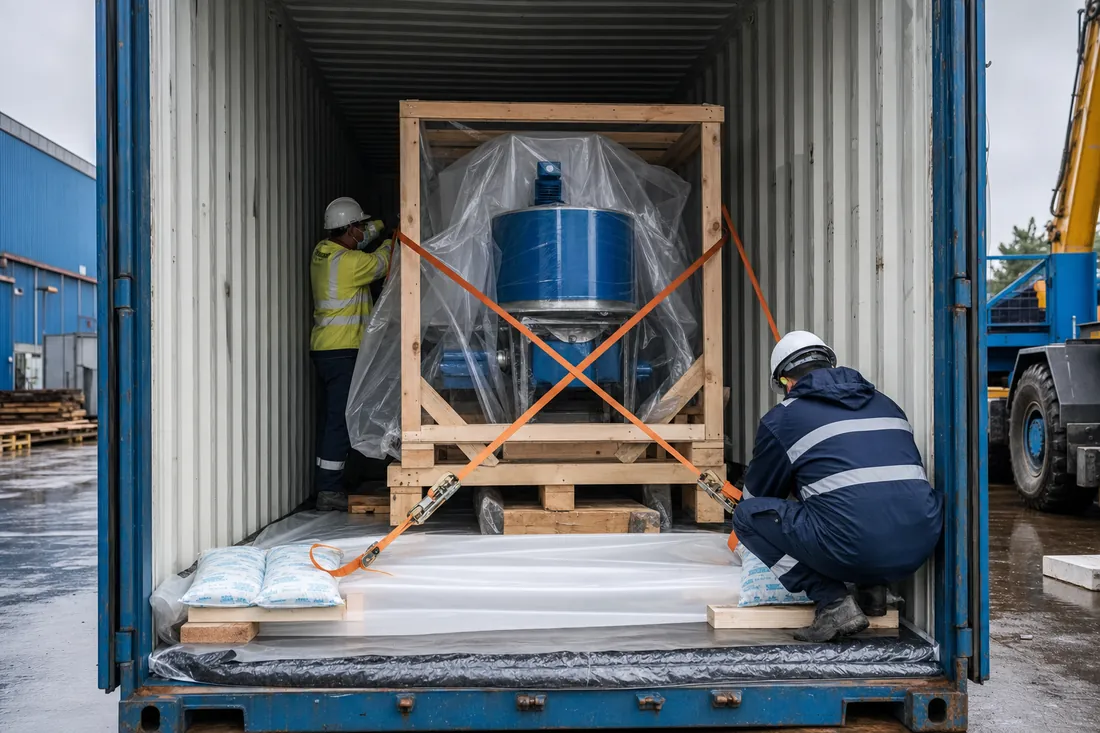
Red Flags During Document Review
- The declaration and nameplate show different manufacturer names.
- The model is missing, generic or different from the ordered configuration.
- A report cover page is shown without results, methods or sample details.
- A certificate expired before manufacture or covers another site.
- The supplier calls every PDF a “CE certificate.”
- Standards are listed but no risk assessment or complete technical evidence exists.
- Changes to the drive, controls or guards were not reviewed.
Review CE marking steps Verify ISO certificates Review material records
Choose the Document That Answers the Buyer’s Question
| Criterio de decisión | Use a declaration for the manufacturer’s stated conformity responsibility, a test report for measured sample results, and a certificate only for the exact scope assessed by its issuer. |
|---|---|
| Datos por confirmar | Product identity, model, serial or batch, issuer, applicable requirement, sample, method, result, date, authorization and any exclusions or annexes. |
| Riesgo o limitación | Documents are not interchangeable: a passing material test cannot replace a machinery declaration, and a management-system certificate cannot prove separator performance. |
| Acción del comprador | Write the procurement requirement as a specific document, issuer, product reference and acceptance purpose instead of requesting a generic certificate. |
How We Support Your Document Decision
Declaration of Conformity vs Certificate vs Test Report: seller-side application review
- Your procurement risk: A certificate, declaration or material report can name the wrong company, site, model or scope and still look convincing during supplier approval.
- Lo que revisamos: We compare the quoted configuration, legal manufacturer, intended use, destination, applicable requirement, document issuer, validity and traceability.
- What we provide: We identify which project documents can come from OSENC, the selected manufacturing partner, a material supplier or a third-party body, and we state that source clearly.
- Valor para el comprador: This helps you avoid accepting an irrelevant certificate, delaying import clearance or discovering a documentation gap after the equipment is built.
- Limitación: We do not convert a partner management-system certificate or component report into an unsupported OSENC or complete-machine compliance claim.
- Siguiente paso: Envíe el material y el objetivo, rango de partículas, humedad, temperatura, capacidad de procesamiento, contaminación, plano de instalación, espacio disponible, método de limpieza preferido y cualquier muestra o video del sitio. Send the configuration and document requirement
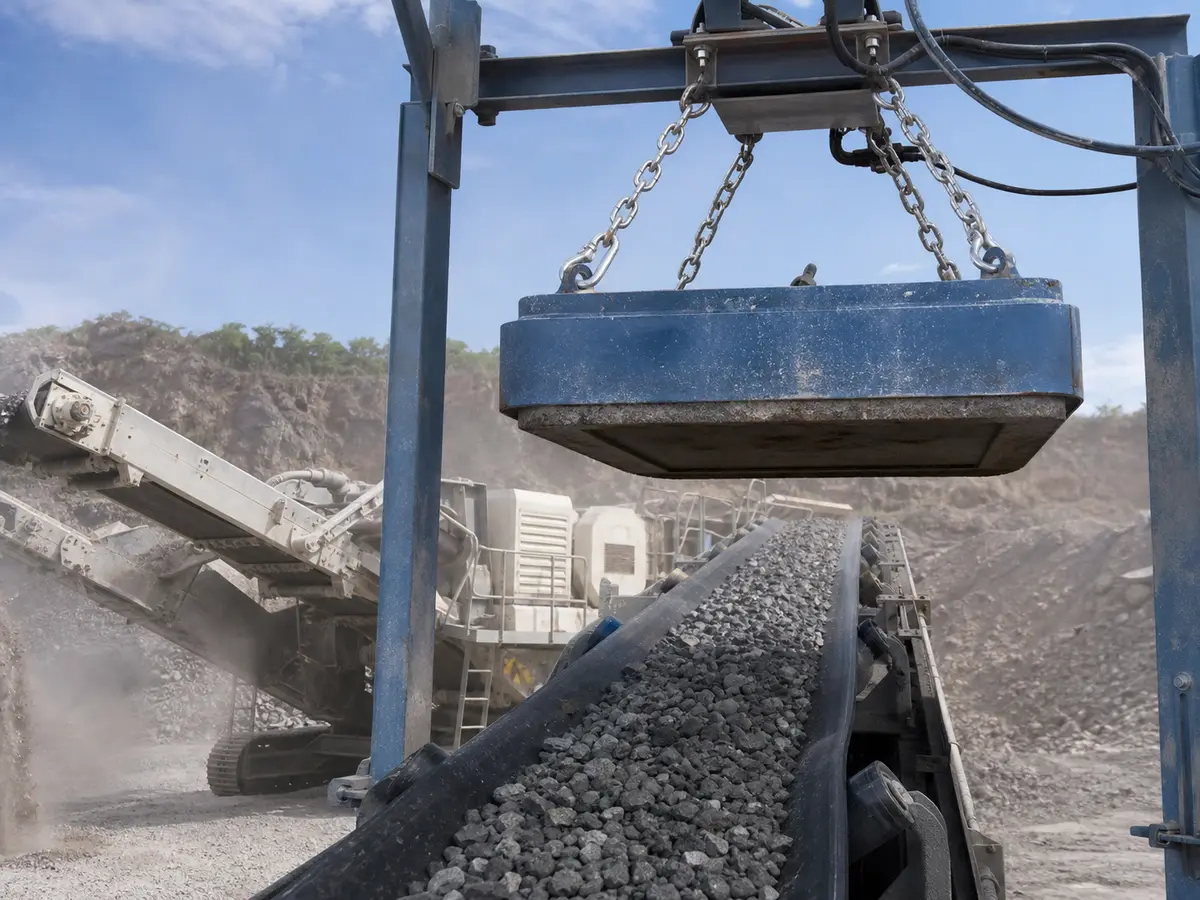
Soporte para proyectos
Need to verify documents before ordering?
Tell us the destination market, product configuration, required declaration, material document, safety requirement and intended operating environment before we confirm what can be supplied.
Preguntas frecuentes
Why is “Magnetic-Separator Examples” important for this decision?
A report measuring maximum surface flux density on one magnetic tube supports only the stated tube, positions, instrument and conditions.
Why is “Red Flags During Document Review” important for this decision?
Review CE marking steps Verify ISO certificates Review material records