
Magnetic Separator Specifications Buyers Should Confirm
Magnetic separator specifications depend on material, capacity, iron type, installation point, working gap, and cleaning method.
Sending only a product name is usually not enough for accurate quotation. The same magnetic drum, suspended magnet, grate, or magnetic bar can change in size, magnet material, housing, motor, and cleaning design. This page helps buyers prepare practical details before asking OSENC for a recommendation.
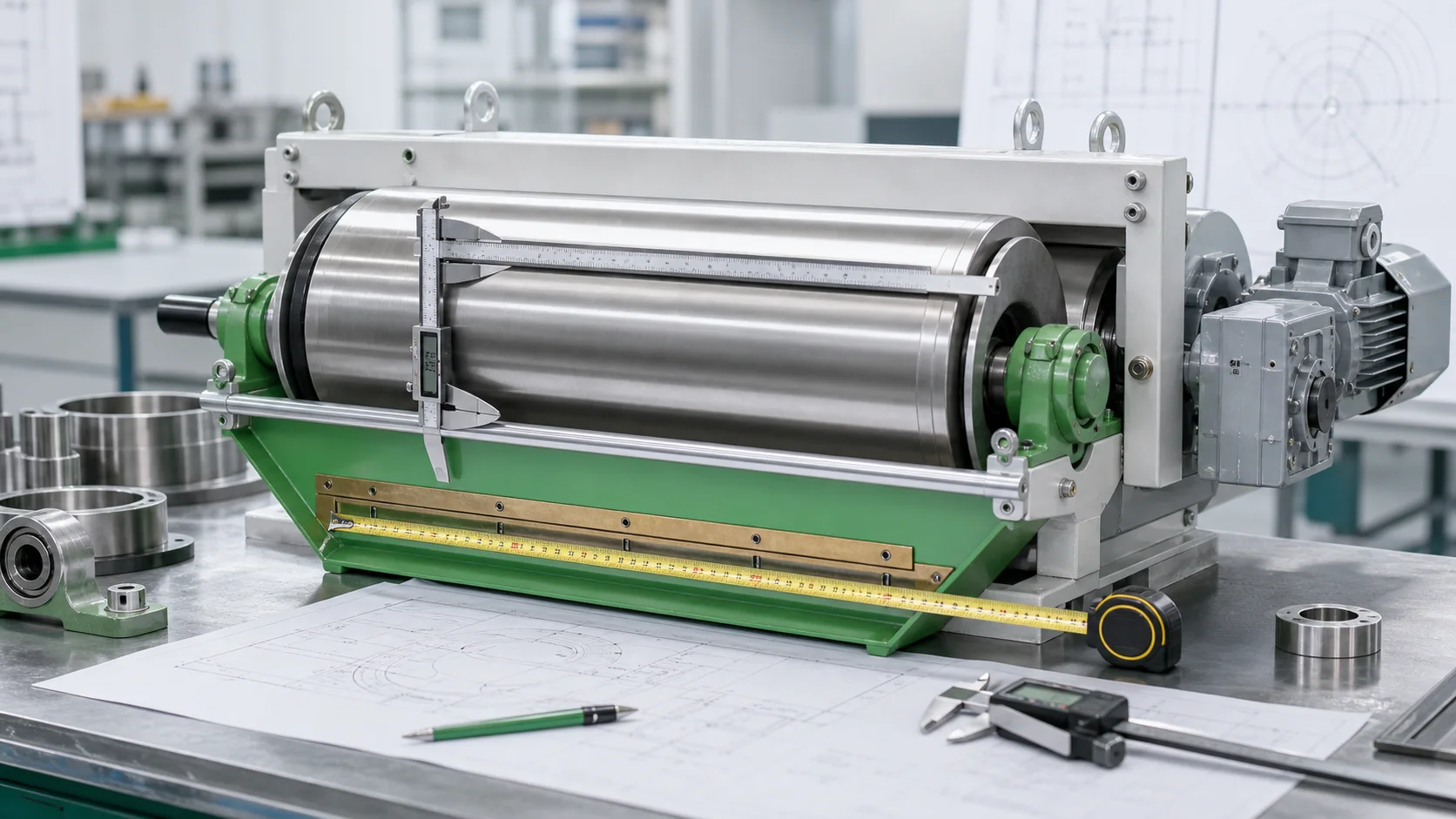
Size, magnet material, motor, housing, surface finish, and custom flanges change the final quotation.
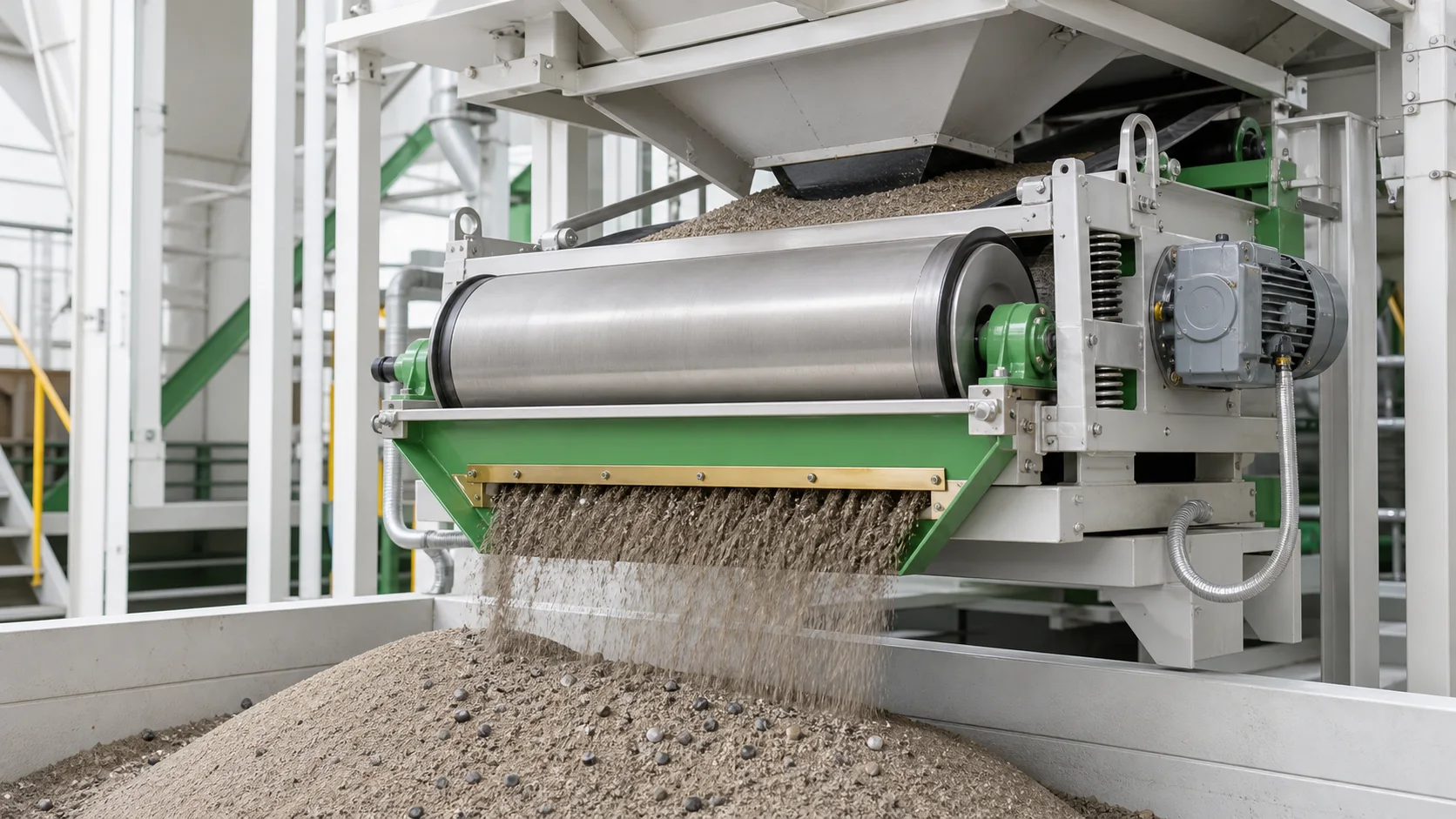
Working gap, burden depth, feed stability, and iron size decide whether the separator can capture the target metal.
Drawings and photos reduce the risk of wrong inlet, outlet, frame, or cleaning access dimensions.
Specification and Installation Details
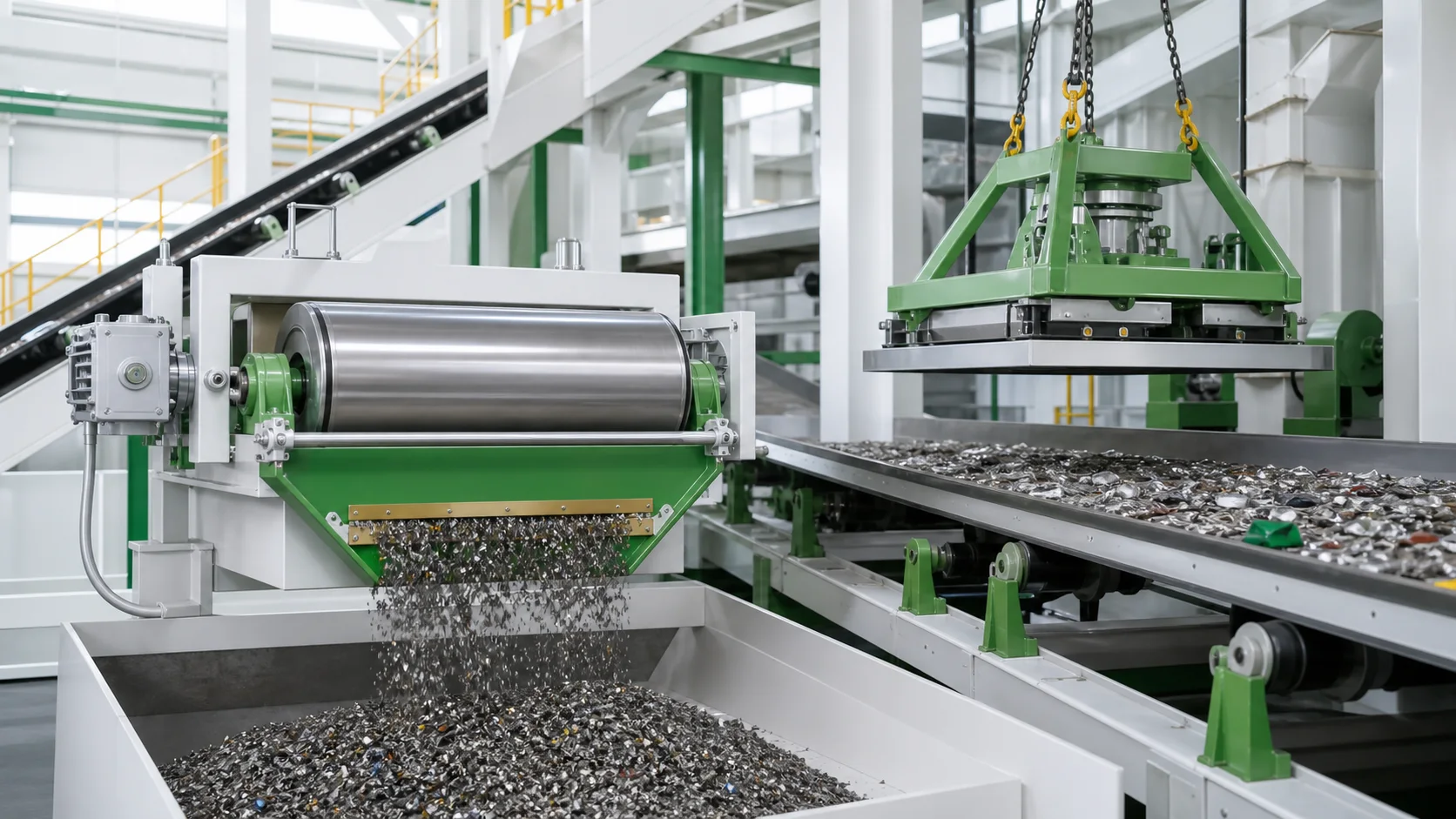
These field photos show why quotation should include dimensions, material behavior, working gap, and installation photos rather than only a product name.

Core Specifications for Every Separator
Before choosing a separator, confirm material name, hourly capacity, particle size, iron type, moisture, temperature, installation position, working gap, and cleaning requirement. These details help decide whether the application needs a drum, suspended magnet, grate, drawer magnet, magnetic bar, or custom chute design.
For many lines, the real issue is not only gauss. A strong magnet installed too far from the material or hidden behind a deep layer may not solve the problem.
Equipment-Specific Specifications
| Magnetic Drum | Drum diameter, shell width, magnetic arc, shell material, drive motor, feed width, discharge direction, and splitter position. |
|---|---|
| Suspended Magnet | Belt width, belt speed, burden depth, suspension height, manual or self-cleaning type, and target tramp iron size. |
| Magnetic Grate | Tube diameter, tube spacing, frame size, inlet opening, material flowability, and cleaning method. |
| Magnetic Bar | Tube length, diameter, end thread, surface finish, pull force requirement, and stainless tube material. |
What Affects Price and Performance
Price changes with equipment size, magnet material, stainless steel housing, motor and drive, self-cleaning belt, custom flanges, surface finish, and testing requirement.
Performance changes with working gap, layer depth, feed stability, iron size, magnetic field depth, cleaning frequency, and whether the material can reach the magnetic surface closely enough.
What To Send For an Accurate Quote
Material Data
- Material name, industry, and dry or wet state
- Capacity per hour and conveying method
- Particle size range, moisture, and flow speed if known
- Iron type, size, photos, and estimated proportion
- Goal: protection, purity improvement, or recovery
Installation Data
- Product type if known
- Drawing, line photos, or material video
- Working gap, belt width, chute size, or burden depth in mm or inch
- Manual cleaning, continuous discharge, or self-cleaning requirement
- Power requirement and destination country
Technical Terms That Should Not Be Mixed
| Gauss and Tesla | Gauss and Tesla are magnetic field units. One Tesla equals 10,000 Gauss. A surface field value does not prove capture at the actual working distance. |
|---|---|
| Surface Field and Working Gap | Surface gauss is measured near the magnetic surface. Real separation depends on belt thickness, chute wall, air gap, burden depth, and material contact. |
| Dry and Wet Separation | Dry drum, suspended magnet, grate, and chute applications should not be mixed with wet slurry separation unless the wet process is specifically reviewed. |
| Ferrous Removal vs Non-Ferrous Sorting | These pages discuss ferrous iron removal. Aluminum separation, stainless steel sorting, and eddy current sorting are different applications. |
| Permanent and Electromagnetic | Ferrite and rare earth are permanent magnet materials. Electromagnetic suspended systems require separate power, duty, and heat review. |
Commercial Claims OSENC Should Confirm Before Publishing
Do not publish fixed capacity, recovery rate, purity, delivery time, MOQ, warranty, CE, ISO, FDA, ATEX, or customer case claims unless OSENC has real documents for that specific claim. The safer buyer-focused page explains what information is needed and when testing or drawing review is required.
Before Purchase
- Confirm dimensions in mm or inch
- Confirm material state, flow, and moisture
- Confirm iron size and target result
- Confirm cleaning and maintenance access
Before Batch Purchase
- Approve final drawings before repeat orders
- Use sample testing for strict purity or fine iron targets
- Check whether every production line has the same conditions
- Keep certificates and test reports out of the page unless verified
Magnetic Separator Specifications FAQ
Can I get a price with only product name?
A rough range may be possible, but accurate pricing needs size, material, capacity, installation details, and cleaning requirement.
Is gauss the most important specification?
No. Gauss is only one selection factor. Working gap, magnetic circuit, and material contact are often more important.
Do I need drawings?
Drawings or photos reduce the risk of wrong dimensions, weak capture, and installation problems.
Send Magnetic Separator Specifications for Review
Send material name, dry or wet condition, capacity, particle size, moisture, feed width, working gap, iron type, cleaning method, and available space. OSENC will review the selection details before quotation.