
Powder Magnetic Separator for Fine Iron Removal
A powder magnetic separator removes fine ferrous contamination from powder and granule flow before mixing, packing, milling, extrusion, or further processing. For chemical powder, mineral powder, plastic powder, ceramic powder, and suitable food powder lines, OSENC checks flowability, particle size, moisture, tube spacing, and cleaning method before recommending a separator.
If your powder bridges, sticks, dusts, or hides fine iron, do not choose only by surface gauss. Send your powder name, capacity, particle size, and installation photo. We will help confirm whether a magnetic grate, drawer magnet, chute separator, or rare earth tube assembly fits the line.
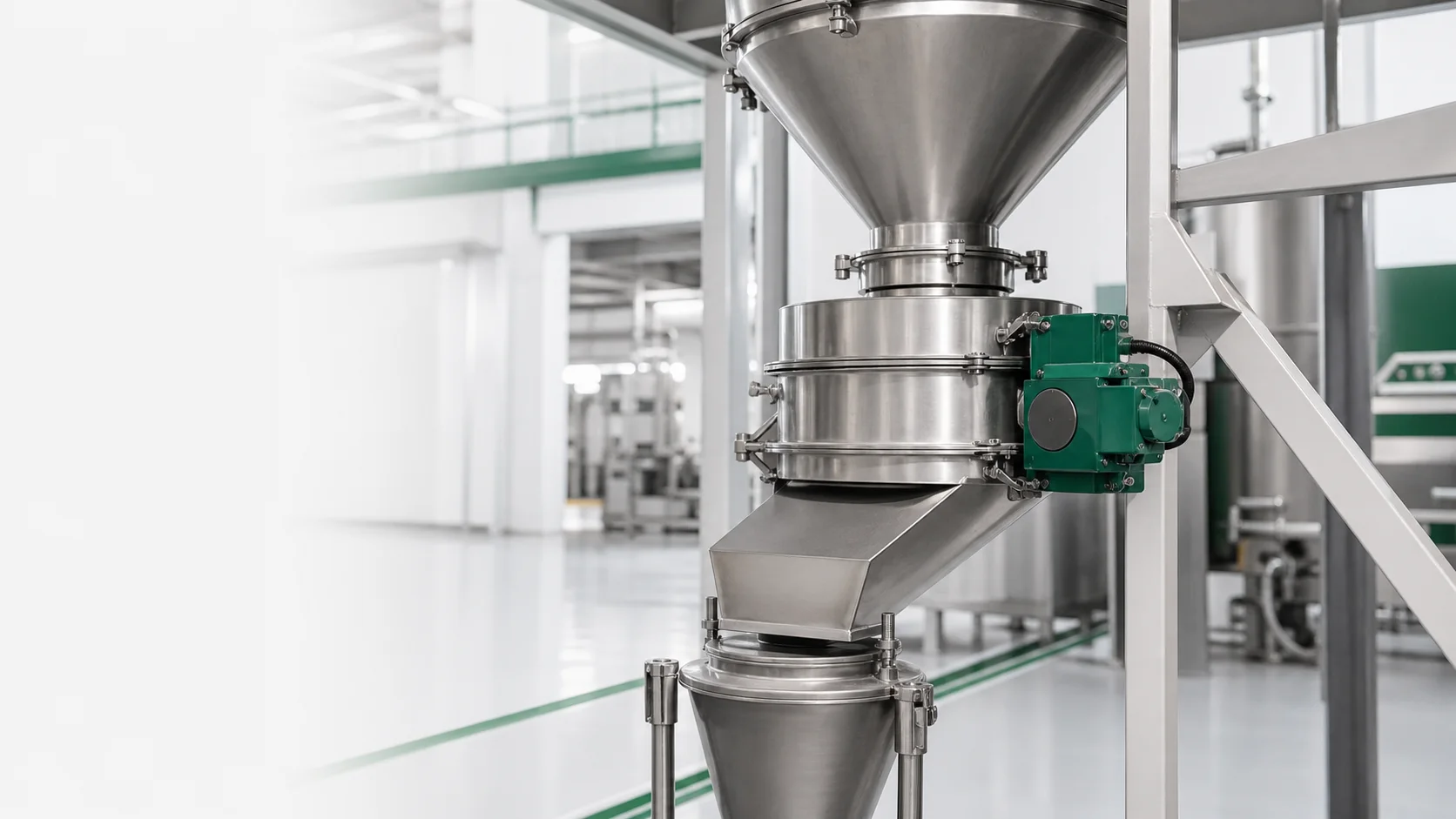
Dry powder, fine granules, plastic powder, mineral powder, ceramic powder, and suitable food or chemical powder lines.
Fine iron, black specks, wear particles, and small ferrous chips that can affect product quality or damage equipment.
Flowability, moisture, particle size, magnetic tube spacing, rare earth strength, cleaning frequency, and housing design.
Powder and Granule Separator Installations
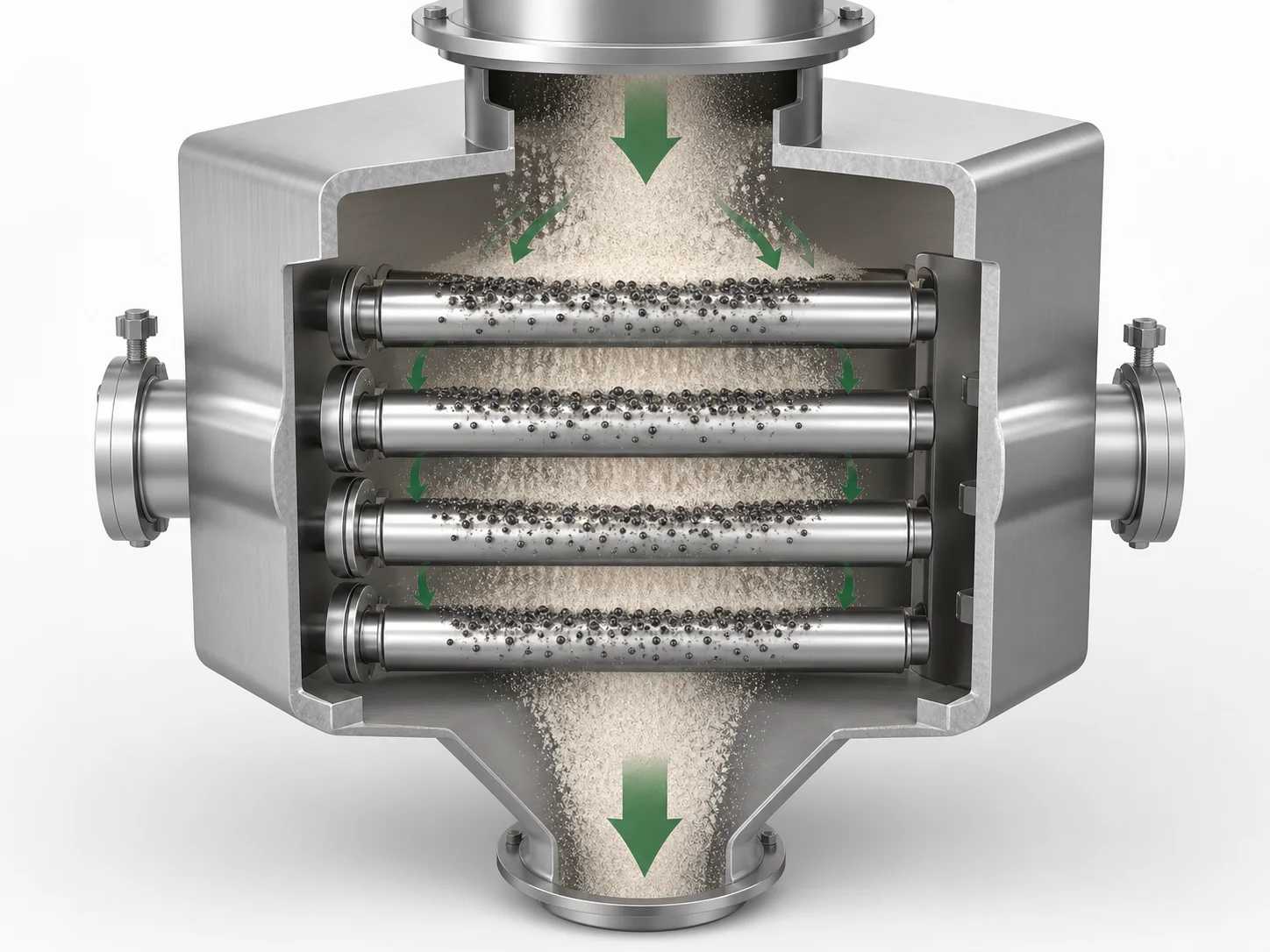
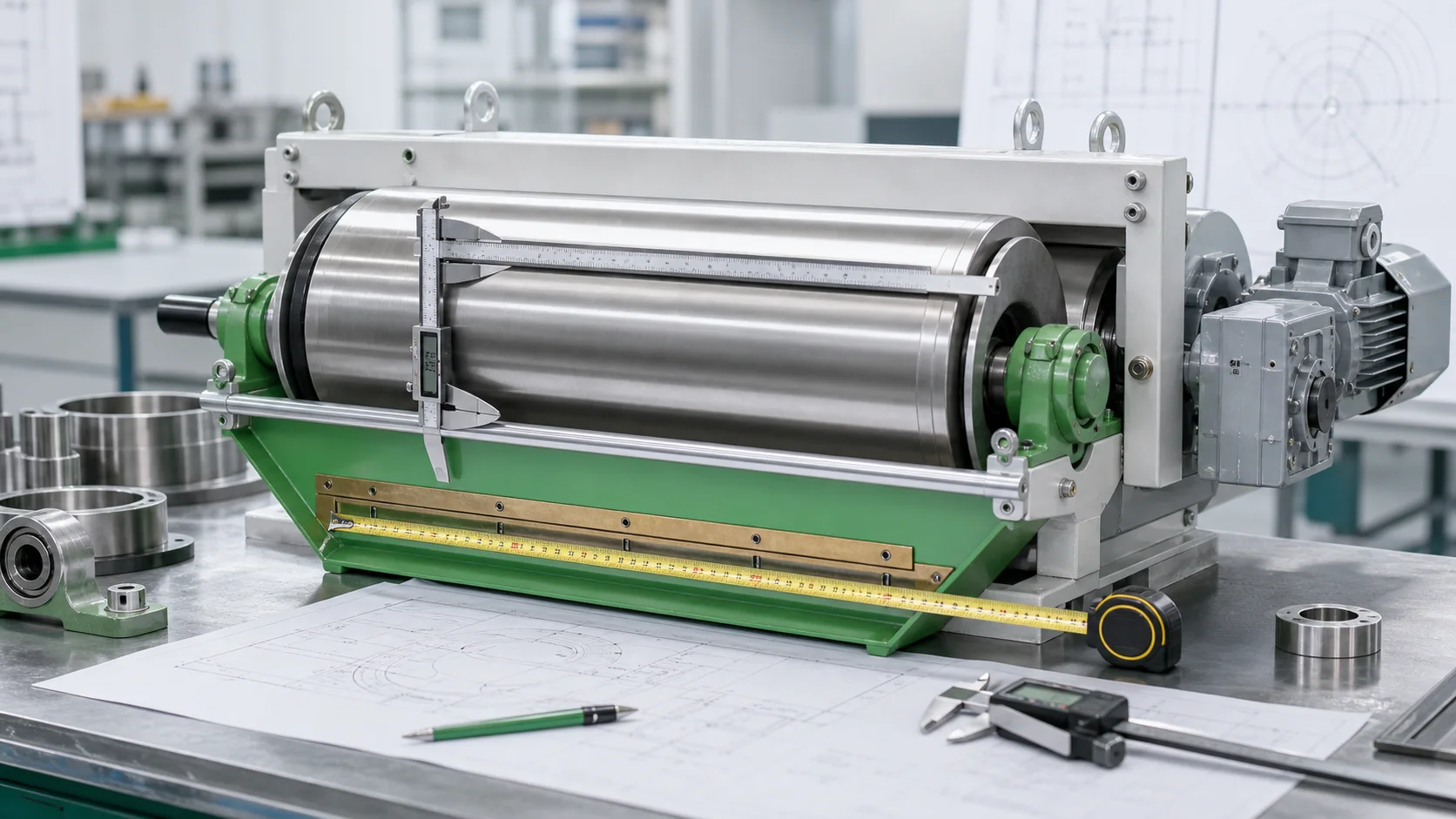
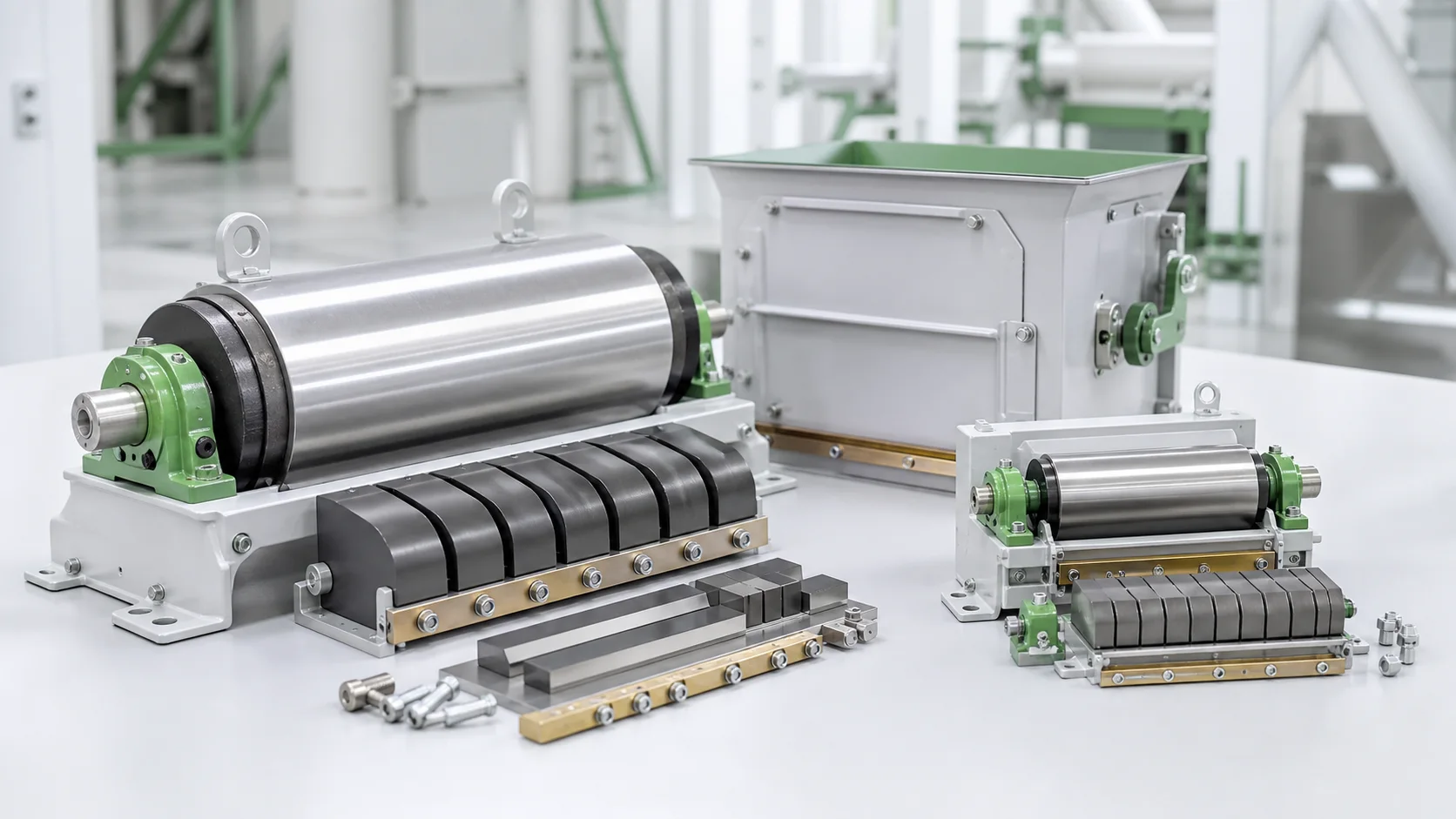
Use these images to match the powder flow, cleaning access, and installation space before choosing a grate, drawer magnet, or chute separator.
What Problem Does a Powder Magnetic Separator Solve?
Powder applications are different from ordinary dry bulk material. Fine powder can bridge over magnetic tubes, stick to the housing, create dust, or coat the working surface. If the separator is too tight, material may block. If the magnetic contact is too weak, fine iron can pass through.
A practical powder magnetic separator balances three things: enough magnetic force for the target iron, enough contact between powder and magnetic tubes, and enough open area for stable flow. This is why OSENC asks about the powder behavior before quoting a model.
How Fine Iron Is Captured in Powder Flow
In many powder lines, the material passes through magnetic bars or tubes. Ferrous particles are attracted to the tube surface while clean powder continues downward. Rare earth magnetic tubes are often used when fine iron capture is important, but the powder must still pass close enough to the magnetic surface.
Captured iron must be cleaned at the right interval. If cleaning is difficult, operators may delay maintenance, and the separator becomes less reliable in real production.
Powder Separator Options
Rejilla magnética
Simple hopper or chute protection for free-flowing powder and granules. Tube spacing must match particle size and flow behavior.
Separador magnético tipo cajón
Better for repeated cleaning and inspection. Useful when fine iron buildup is frequent or operators need easier access.
Chute Magnetic Separator
Custom enclosed housing for powder that passes through a fixed chute, hopper outlet, or processing machine inlet.
Rare Earth Tube Assembly
Used when fine iron, weak magnetic particles, or higher product cleanliness requires stronger magnetic contact.
Selection Points for Powder Iron Removal
| Powder Behavior | Free-flowing powder can use tighter magnetic contact. Sticky, damp, oily, or bridging powder may need larger spacing or a different housing angle. |
|---|---|
| Granulometría | Fine powder can coat magnetic tubes. Granules need enough open area to avoid blocking. |
| Iron Contamination | Fine iron dust, chips, wire, wear particles, and larger tramp iron do not need the same magnetic design. |
| Magnetic Strength | Rare earth magnets help with fine iron, but working distance and contact path are still critical. |
| Cleaning Method | Manual cleaning may be enough for light contamination. Drawer or easy-clean designs help when cleaning is frequent. |
| Housing Material | Stainless steel, weld finish, sealing, and corrosion resistance should be reviewed for food, chemical, or abrasive powder. |
Why Cleaning Access Matters
Captured iron builds up on magnetic tubes. If the separator is hard to open or clean, operators may delay cleaning, and the magnetic surface can become covered. That reduces real separation performance even when the magnet itself is strong.
For powder and granules, OSENC checks the cleaning method together with flowability. Easy-clean drawer structures, removable grates, or custom chute access may reduce downtime when contamination is frequent.
Suitable and Not Suitable Conditions
Usually Suitable
Dry powder or granules with manageable flow, hopper discharge, mixer inlet, packing line, silo outlet, and powder that can pass through magnetic tubes or a drawer structure.
Needs Extra Review
Sticky powder, oily powder, damp powder, powder that bridges easily, abrasive mineral powder, high-temperature powder, or any food-grade line with strict cleaning requirements.
What To Send For a Quote
Accurate sizing depends on material behavior and installation details. The more specific your information is, the more practical the first recommendation will be.
Datos del material
- Powder name and industry
- Particle size or mesh size
- Bulk density and moisture
- Flow condition: free-flowing, sticky, dusty, or bridging
- Estimated iron proportion if known
Datos de la línea
- Capacity per hour
- Iron type and photos if available
- Hopper, chute, or inlet dimensions in mm or inch
- Cleaning frequency and sanitary requirement
- Installation photos or short material flow video
Dry/Wet Boundary and Site Risks
| Dry Powder | Usually the starting point for magnetic grates, drawer magnets, and tube assemblies when the powder can flow through the magnetic area. |
|---|---|
| Damp or Sticky Powder | Needs extra review because it may bridge, cake, or coat magnetic tubes. A higher gauss value alone will not solve poor flow. |
| Fine Dust | Send dust condition and enclosure requirements. Dusty, combustible, or explosive-risk sites need safety review before equipment selection. |
| High Temperature or Corrosion | Temperature and corrosive powder can affect magnet material, stainless housing, seals, and cleaning design. |
Powder Magnetic Separator FAQ
Does higher gauss always solve powder iron contamination?
No. Higher surface gauss can help, but powder must pass close to the magnetic surface. Flowability, tube spacing, cleaning interval, and working distance also affect capture.
Which separator is better for fine powder?
A rare earth magnetic grate, drawer magnet, or custom chute separator may be used. The better choice depends on powder flowability, contamination level, and how often the separator must be cleaned.
When should I test my powder before ordering?
Sample testing is recommended when fine iron is difficult to see, the powder bridges or clumps, the required cleanliness is high, or you are unsure whether rare earth magnets are strong enough.
Request a Powder Magnetic Separator Recommendation
Send powder name, capacity, particle size, moisture, flowability, cleaning requirement, and installation photos. OSENC will help check whether a magnetic grate, drawer magnet, chute separator, or tube assembly is practical.