
OSENC Magnetic Separation
Reduce Downtime with BOM-Controlled Spares
Build the spare-parts list from the approved equipment BOM, failure consequence, wear rate, local availability, replacement time and supplier lead time. Do not order from a generic product name: belts, bearings, seals, rollers, shafts, motors, gearboxes and sensors that look similar may differ in dimensions, material, rating or interface.
Request a Project Spare-Parts List Review After-Sales Support
Classify Parts by Risk
| Class | Meaning | Planning approach |
|---|---|---|
| Wear part | Expected deterioration during service | Stock from measured consumption and limits |
| Critical spare | Failure stops production and lead time is unacceptable | Hold on site or verify a rapid source |
| Insurance spare | Rare failure with high consequence | Decide from risk and lifecycle cost |
| Consumable | Lubricant, sealant, fastener or service item | Control compatibility and shelf life |

Self-Cleaning Overband Spares
- Cleaning belt and approved joint components
- Cleats, fasteners or repair items where applicable
- Drive and return rollers, bearings and seals
- Motor and gearbox data or complete replacement strategy
- Tensioning components, scrapers, guards and sensors
- Specified lubricants and electrical components
Drum and Head Pulley Spares
- Bearings, housings, seals, locking devices and coupling elements
- Motor, gearbox, chain/belt or transmission components
- Shell, lagging, liners, scraper, splitter and wear plates where replaceable
- Access-door seals, sensors, fasteners and guards
- Complete rotating assembly only when risk justifies it
Tube, Grate and Drawer Spares
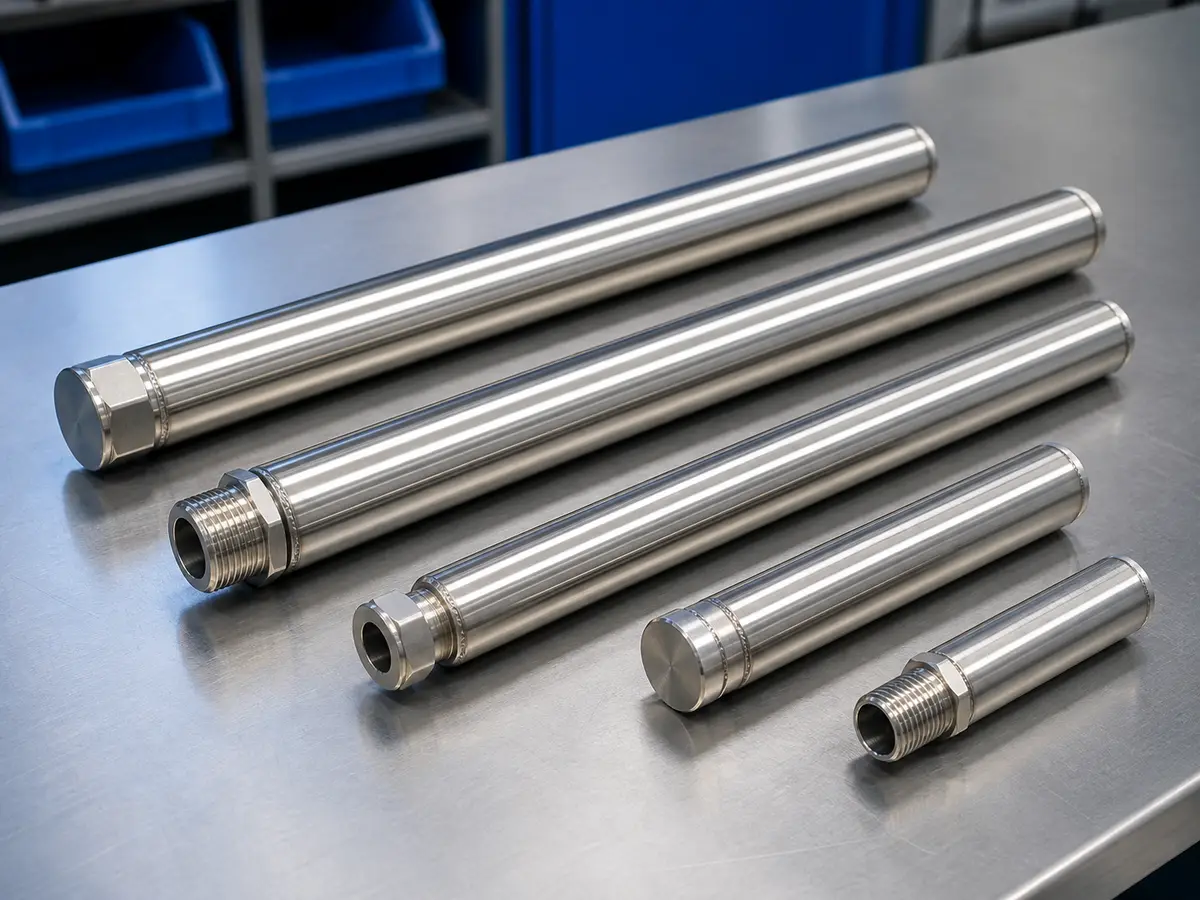
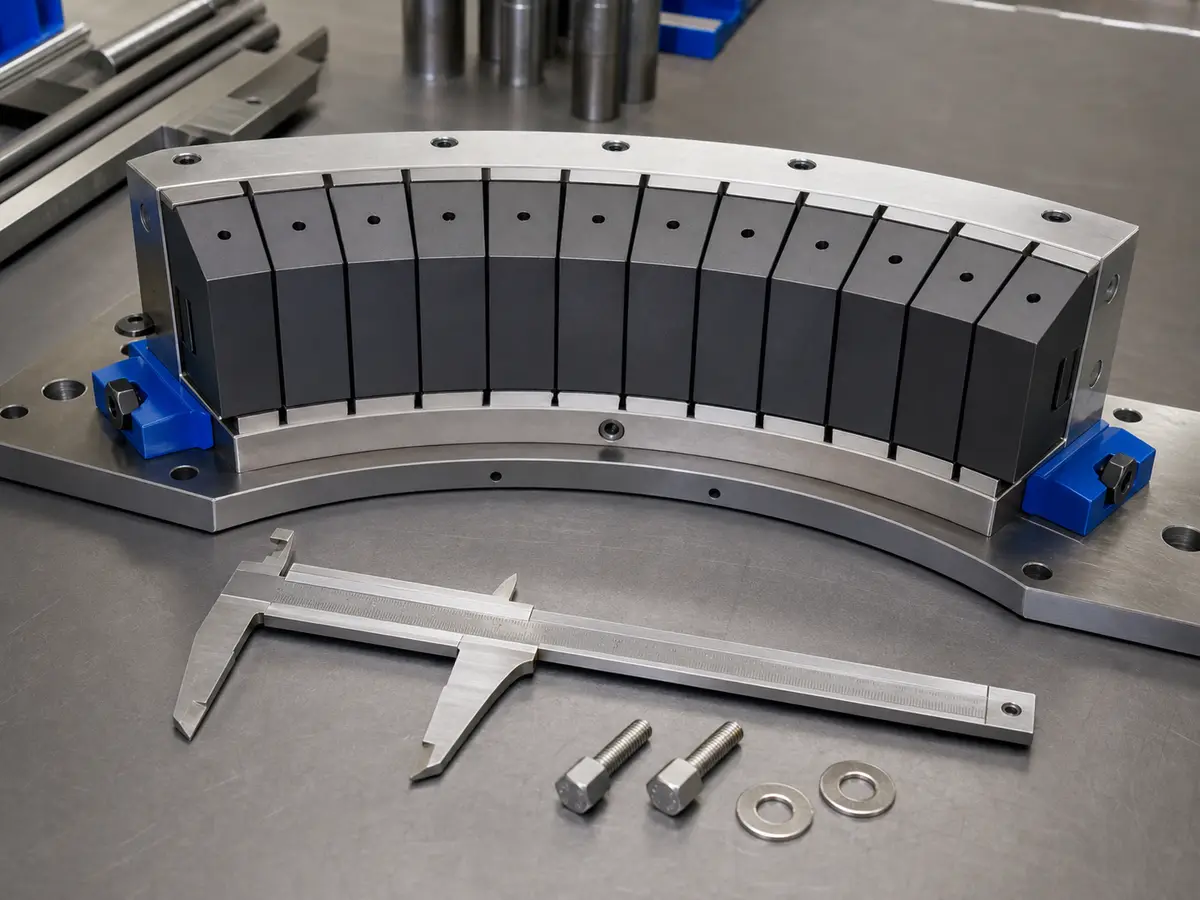
- Replacement tubes tied to drawing and magnetic acceptance
- Outer sleeves and cores for easy-clean designs
- Handles, retainers, guide parts, seals and gaskets
- Housing closures and compatible fasteners
- Cleaning tools approved for the surface and process
Information Every Spare Should Carry
Record equipment ID, BOM item, manufacturer, part number, drawing, revision, description, material, dimensions, rating, approved alternative, installed/stored quantity, shelf life, storage, preservation, lead time, supplier and change history.
Set Initial Quantities
- Identify production consequence and safe alternatives.
- Review wear, environment and maintenance interval.
- Compare supply lead time with allowable downtime.
- Check whether the part is locally standard or custom.
- Separate commissioning spares from operating spares.
- Review quantities after actual consumption data become available.
Storage Can Destroy a Good Spare
Control humidity, corrosion, UV, temperature, dust, deformation, magnetic attraction, shelf life and packaging. Store belts without harmful folds, preserve machined surfaces, separate magnets from loose steel, and keep seals and lubricants within supplier conditions.
Compatibility and Change Control
Do not substitute a motor, gearbox, bearing, belt, seal or sensor without checking mechanical, electrical, environmental, safety, control and certification effects. Update BOM, drawings, manuals and stock after an approved change.
Include Spares in the RFQ
Request commissioning and operating lists, critical long-lead items, unit prices, lead times, shelf lives, storage instructions, interchangeability, special tools and exclusions. Confirm which free spares, if any, are included.
Request Parts for Existing Equipment
Use the equipment project/serial number and BOM item so compatibility can be verified before quotation.
Build the Spare-Parts List from Failure Consequence
| Decision rule | Prioritize parts by wear rate, lead time, interchangeability and production consequence instead of buying the same generic kit for every separator. |
|---|---|
| Inputs to confirm | Equipment model and serial, drawing and BOM revision, operating hours, environment, iron load, belt or scraper wear, bearings, seals, gearbox, sensors and local sourcing options. |
| Risk or limitation | A similar-looking belt, bearing or seal may have different material, dimensions or duty and can create premature failure or invalidate guarding and tracking settings. |
| Buyer action | Link every spare to a part number and supplied unit and define storage, shelf life, replacement instructions and reorder point. |
What We Need to Configure This Project
Input set for Magnetic Separator Spare Parts Planning Guide
- How we use your data: We compare your material, contamination risk, production target and line interface before we configure a proposal or rule out an unsuitable option.
- Material: name and composition; dry or wet; powder, granule, lump, fibre or slurry; minimum, maximum and typical particle distribution; moisture, stickiness, tendency to cake or bridge, abrasiveness, corrosiveness, bulk density, normal temperature and maximum temperature.
- Production and target: normal and peak throughput, continuous or batch feed, feed uniformity, contaminant or recovery target, magnetic response if known, typical and maximum target size, initial concentration, acceptable residual and whether product loss is permitted.
- Installation: belt width and speed, normal and maximum burden depth, magnet position and rated working distance, available suspension and maintenance space, support and lifting arrangement; cleaning method, permitted shutdown, contact-material, wear and corrosion requirements; indoor, outdoor, washdown, high-humidity, dusty or hazardous-area conditions.
- Supporting project files: drive voltage, frequency and phase where a self-cleaning unit is considered; control interface and any site air requirement; destination country; current drawings, site photographs, running video and a representative material/contaminant sample when testing is needed.
- What you receive next: We use the confirmed inputs to prepare a project-specific drawing and inspection plan. We do not treat performance as confirmed until the agreed design and any required representative test or site acceptance establish the result.
Project Support
Need documents, testing support or after-sales help?
Send your order reference, product details, application condition, requested document and supporting photos or videos so we can route the request correctly.
Frequently Asked Questions
Why is “Information Every Spare Should Carry” important for this decision?
Record equipment ID, BOM item, manufacturer, part number, drawing, revision, description, material, dimensions, rating, approved alternative, installed/stored quantity, shelf life, storage, preservation, lead time, supplier and change history.
Why is “Storage Can Destroy a Good Spare” important for this decision?
Control humidity, corrosion, UV, temperature, dust, deformation, magnetic attraction, shelf life and packaging. Store belts without harmful folds, preserve machined surfaces, separate magnets from loose steel, and keep seals and lubricants within supplier conditions.
Why is “Compatibility and Change Control” important for this decision?
Do not substitute a motor, gearbox, bearing, belt, seal or sensor without checking mechanical, electrical, environmental, safety, control and certification effects.