
OSENC Magnetic Separation
How a Custom Magnet or Magnetic Assembly Order Works
A reliable custom order begins with a controlled drawing and acceptance method—not payment alone. We review the application and manufacturing route, resolves specifications, quotes the confirmed scope, coordinates samples or production, inspects against approved documents, and prepares delivery records.
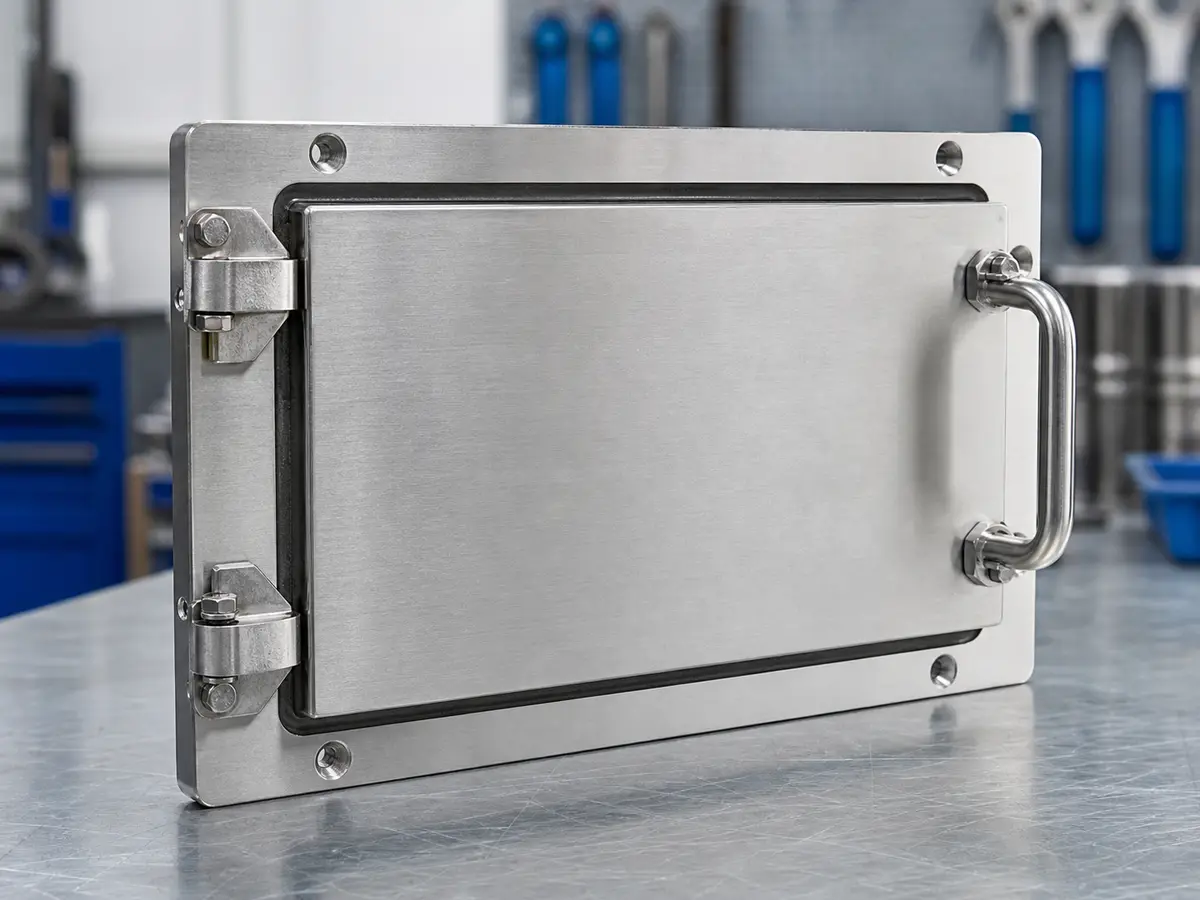
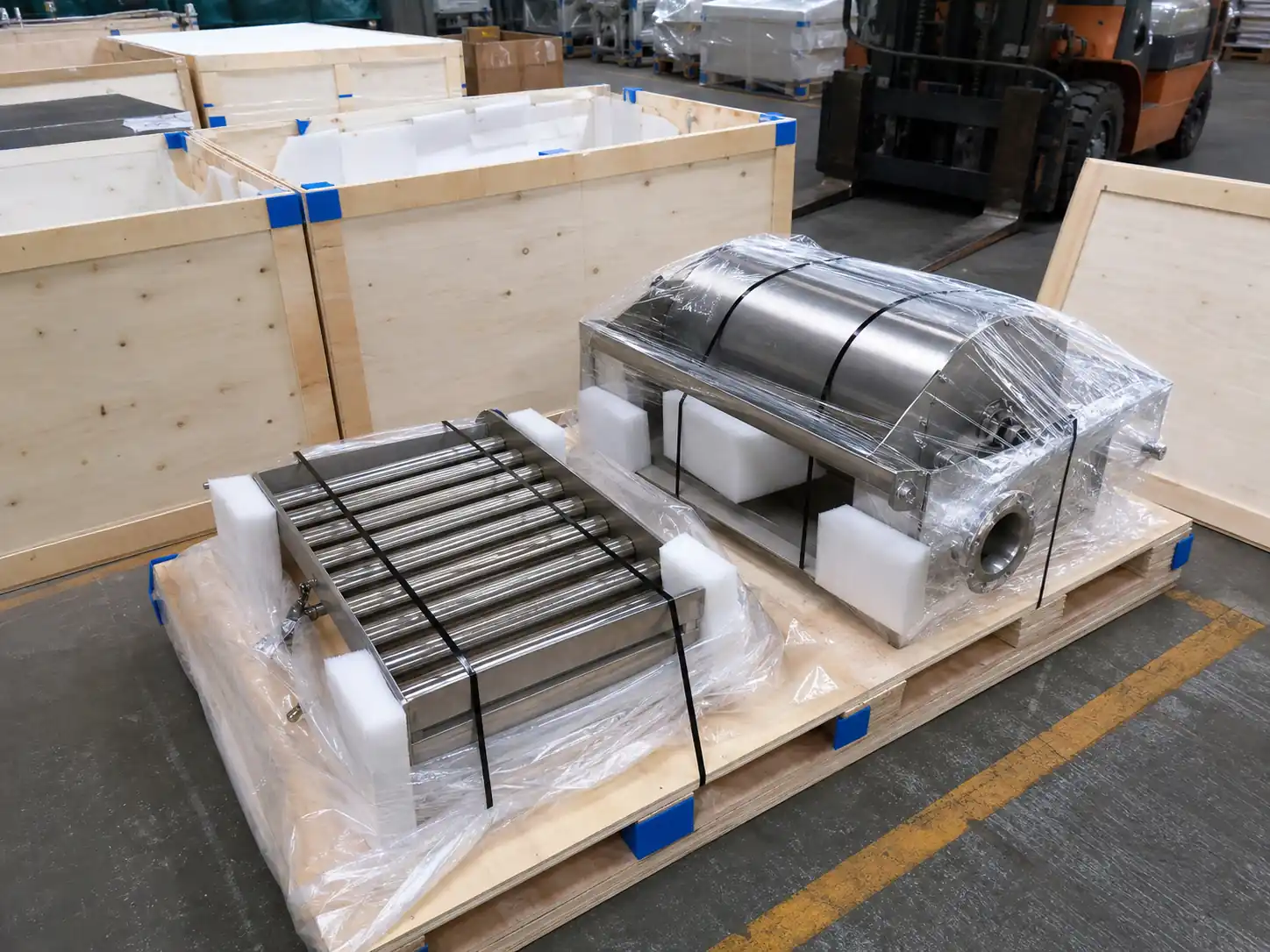
1. Inquiry and Technical Inputs
Send drawing or sample, application, quantity, material/grade, coating, magnetization, temperature, tolerance, required field/force, documentation, destination, and target schedule. Missing information is recorded rather than guessed.
2. Feasibility and Manufacturing Route
We review geometry, process, tooling, coating, magnetization, assembly, inspection, packaging, partner capability, and risks. Engineering comments may propose practical tolerances, radii, material alternatives, or test changes.
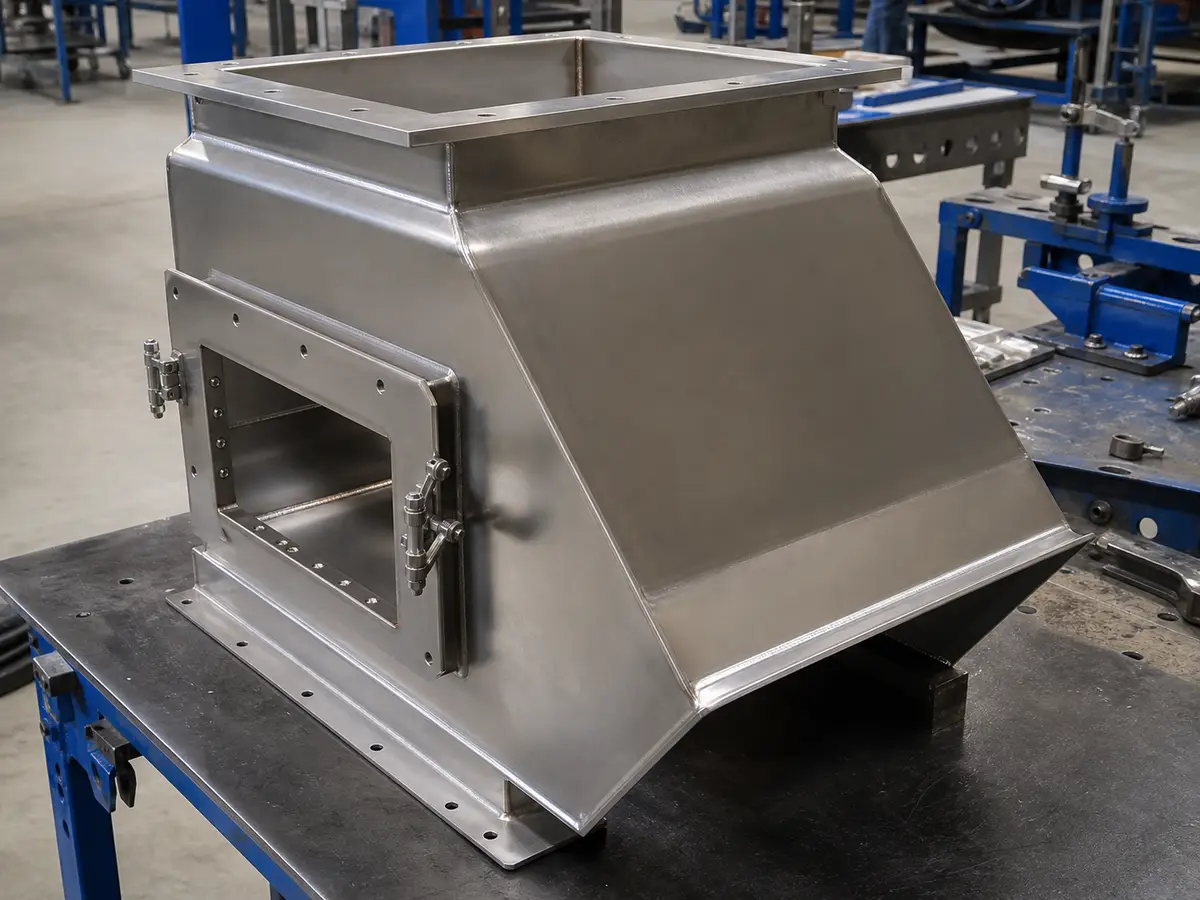
3. Quotation
The quotation should identify part/revision, quantity, unit price, tooling, sample, inspection, documents, lead-time basis, payment, Incoterm with named place, packaging, validity, exclusions, and warranty reference. Freight or raw-material changes may require revalidation after expiry.
4. Drawing and Order Confirmation
Resolve purchase-order conflicts and approve the final drawing/specification. Record customer approval, payment condition, delivery scope, and change-control contact. Production should not proceed from an uncontrolled email image when a formal drawing is required.
5. Sample or First Article
Confirm whether the sample validates dimensions, appearance, coating, polarity, magnetic performance, assembly fit, or all items. If the sample route differs from mass production, identify the differences before approval.
6. Production and Inspection
Coordinate material, machining, coating, magnetization, assembly, in-process checks, and final inspection. The report scope and responsible party—OSENC, partner, or third party—must match the quotation.
7. Packing and Shipping
Confirm packaging, labels, magnetic shielding/testing where applicable, carton or crate data, carrier, export documents, and shipment condition. Incoterms allocate defined delivery obligations but do not replace payment, title, warranty, or complete sales-contract terms.
8. Receipt and Support
Inspect package and product promptly, retain order/batch records, and report discrepancies with evidence. Repeat orders should reference the approved revision and disclose any application or acceptance change.
Typical Delay Causes
- Conflicting drawing revisions
- Undefined magnetization or test method
- Unconfirmed coating and temperature
- Late quantity, destination, or document changes
- Sample approval without clear acceptance scope
Request an Authorized Order Update
Existing customers can request production, inspection, packing or shipping information after customer and order verification.
Email the order reference and requested information to OSENC
Project Support
Need documents, testing support or after-sales help?
Send your order reference, product details, application condition, requested document and supporting photos or videos so we can route the request correctly.
Frequently Asked Questions
Why is “1. Inquiry and Technical Inputs” important for this decision?
Send drawing or sample, application, quantity, material/grade, coating, magnetization, temperature, tolerance, required field/force, documentation, destination, and target schedule.
Why is “2. Feasibility and Manufacturing Route” important for this decision?
We review geometry, process, tooling, coating, magnetization, assembly, inspection, packaging, partner capability, and risks. Engineering comments may propose practical tolerances, radii, material alternatives, or test changes.
Why is “3. Quotation” important for this decision?
The quotation should identify part/revision, quantity, unit price, tooling, sample, inspection, documents, lead-time basis, payment, Incoterm with named place, packaging, validity, exclusions, and warranty reference.