
OSENC Magnetic Separation
Sometimes—but not reliably from the words “stainless steel” alone. Ferritic and martensitic stainless steels are generally more magnetic, while annealed austenitic grades such as many 304 and 316 products may respond weakly. Cutting, cold working, wear and deformation can increase the magnetic response of some austenitic fragments.
Test the actual contaminant across its real size range and working distance before promising removal.
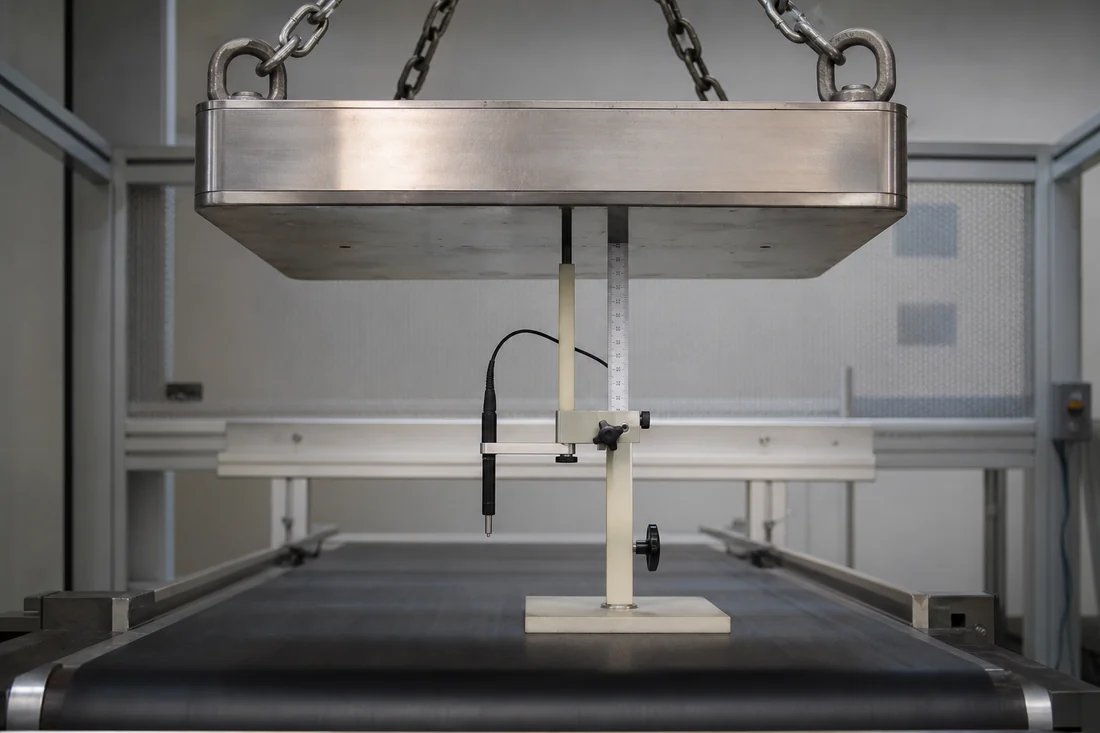
Why Stainless Grades Behave Differently
Magnetic behavior depends on the alloy’s microstructure, not merely corrosion resistance. Fabrication can also change local structure. A finished screen wire, worn fastener, machining chip and annealed sheet of the “same” nominal grade may not respond identically.
This makes generic claims such as “removes all stainless steel” technically unsafe.
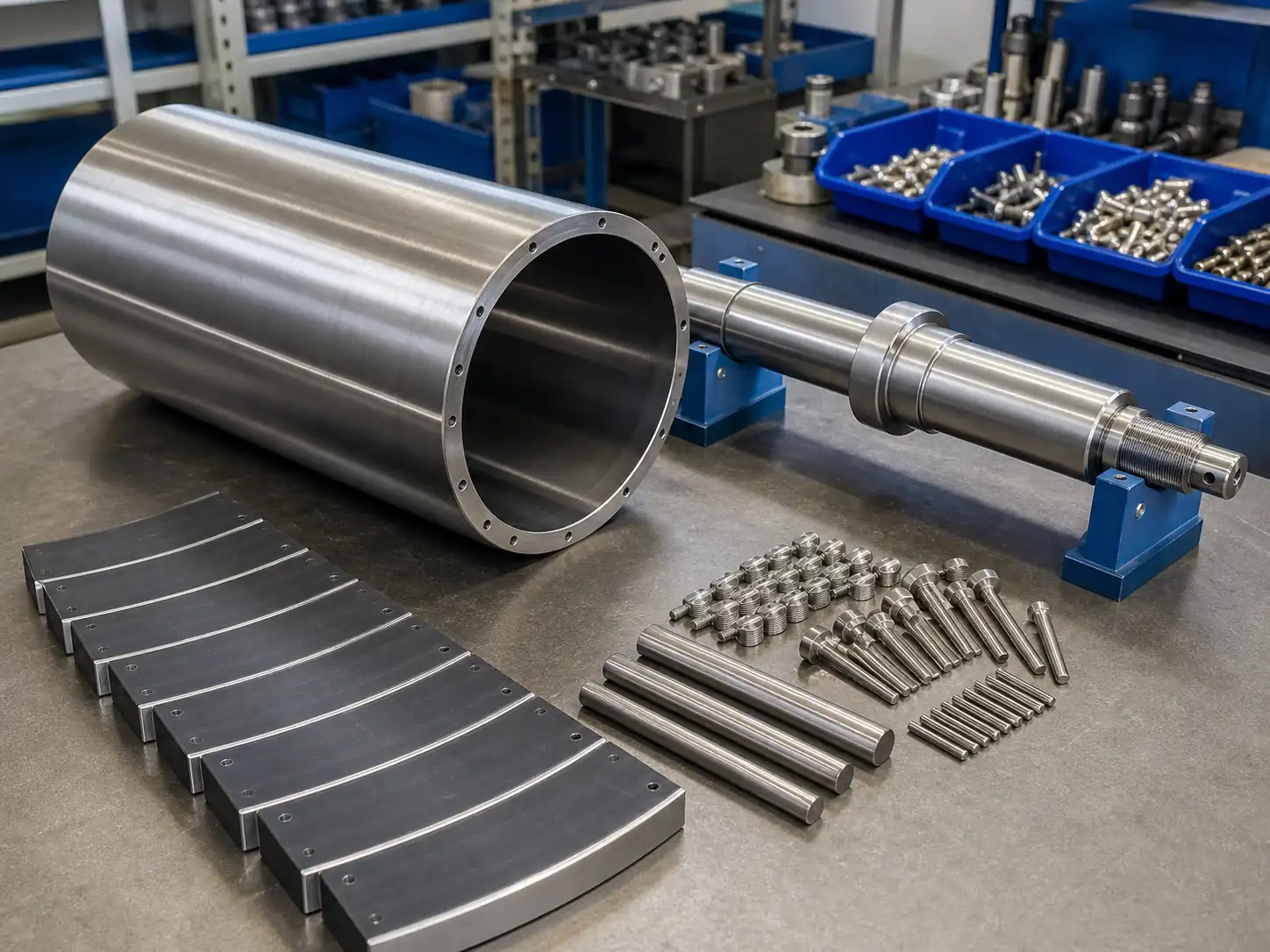
What Makes Capture More Likely?
- The actual fragment has a measurable magnetic response.
- The target is liberated and passes close to a strong-gradient zone.
- The material layer is thin and evenly distributed.
- Flow velocity is controlled and exposure time is sufficient.
- Product buildup does not increase the working gap.
- The separator can retain and release the captured fragment without recontamination.
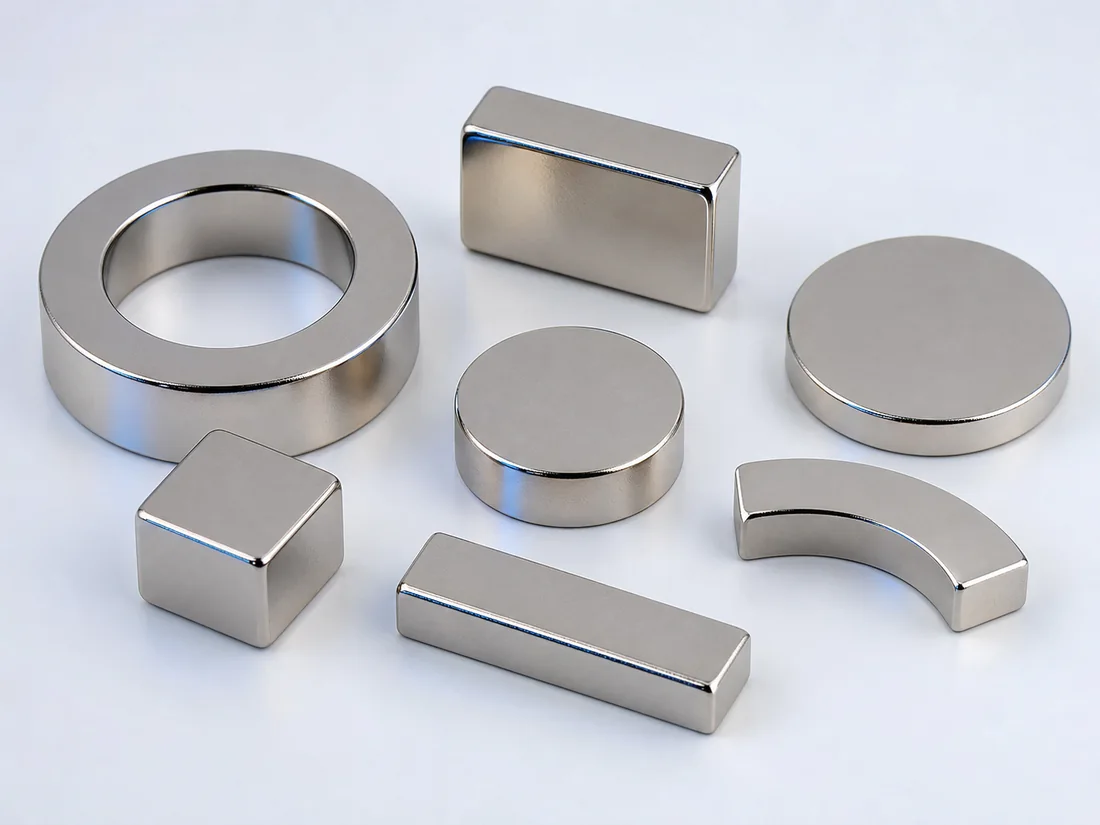
What Makes Capture Unreliable?
- Weakly responsive fragments at a large working distance
- Very small particles locked inside product agglomerates
- Deep conveyor burden or wide tube spacing
- High-speed flow with brief exposure
- Sticky product coating the magnetic surface
- A requirement for complete removal without a validated detection and control plan
A Handheld Magnet Check Is Only a Screening Test
A fragment sticking to a powerful handheld magnet at contact does not prove an industrial separator will capture it through product, a sleeve or an air gap. Conversely, a weak tactile response may still justify a close-contact high-gradient trial. Record the magnet, gap, fragment and method rather than relying on a subjective “magnetic/non-magnetic” label.
Recommended Validation Method
- Collect representative contamination from the real process.
- Identify the known or suspected stainless grade and source.
- Separate samples by size, shape and processing condition.
- Test the planned separator geometry and working gap.
- Use representative product, flow rate and moisture.
- Recover and count or weigh feed, captured and missed targets.
- Repeat enough trials to understand variation and document limitations.
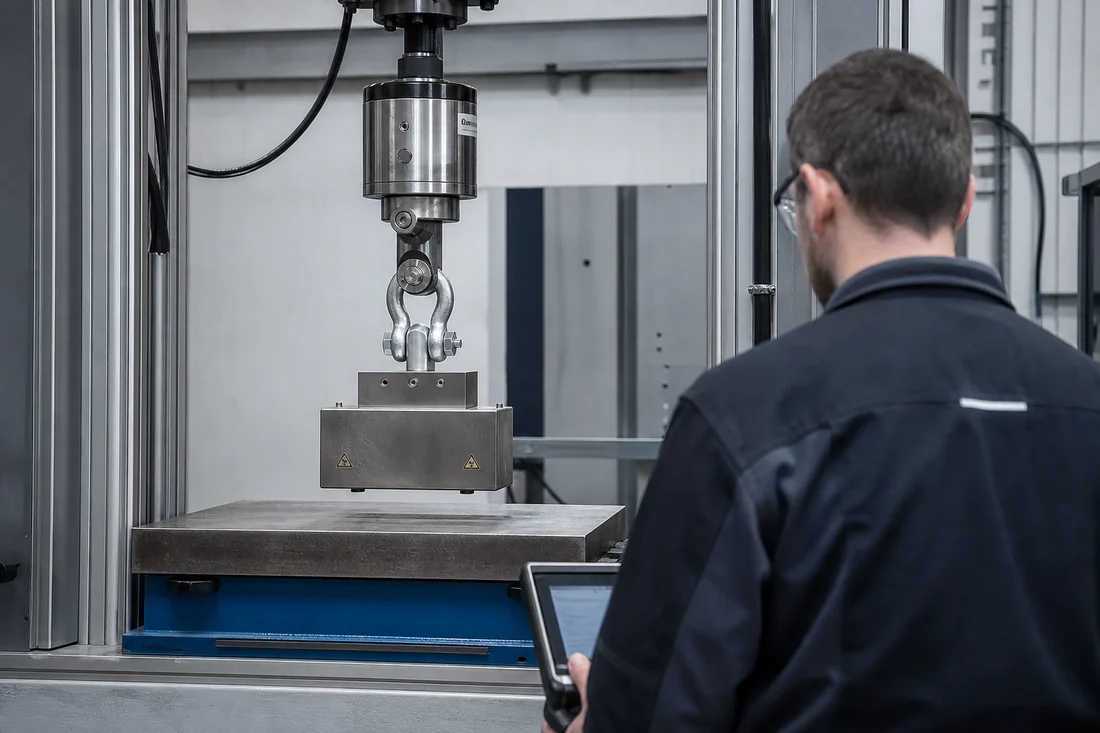
When Another Control Is Needed
If the target remains insufficiently magnetic, improve source control, screens, inspection, metal detection, X-ray or another suitable process rather than increasing an unqualified surface-Gauss claim. Magnetic separation can be one control point, not necessarily the whole contamination-control system.
Compare metal types Plan a representative trial Define performance validation
Decide from the Actual Stainless Sample
| Decision rule | Some stainless wear particles can be magnetically responsive because of grade, phase and work hardening, but no general stainless-removal claim should replace a sample test. |
|---|---|
| Inputs to confirm | Stainless grade if known, manufacturing or wear history, particle shape and size, concentration, material matrix, working gap and required residual level. |
| Risk or limitation | A hand-held attraction check at contact does not predict capture of fine particles moving through powder or buried in a conveyor burden. |
| Buyer action | Test representative particles in the real product under controlled flow and compare feed and discharge with the buyer’s analytical method. |
How We Use This Technical Point in Selection
Can Magnetic Separators Remove Stainless Steel?: seller-side application review
- Your selection risk: A device name, surface Gauss value or static pull result can lead to the wrong purchase when material motion and working distance are ignored.
- What we review: We check your material, particle size, moisture, temperature, throughput, layer or flow geometry, target contamination, installation position and cleaning method.
- What we decide: We use the principle described above to compare magnetic circuit, exposure, retention and discharge conditions before we recommend or rule out a structure.
- Buyer value: This helps you reduce leakage risk, avoid an oversized or ineffective unit and connect the specification to a testable production objective.
- Boundary: We do not treat a simplified explanation as guaranteed separation performance; representative testing is needed when magnetic response or scale-up remains uncertain.
- Next step: Send the material and target, particle range, moisture, temperature, throughput, contamination, installation drawing, available space, cleaning preference and any sample or site video. Send the material and separation target
Project Support
Need help selecting the right magnetic solution?
Send us your material, flow condition, target metal, capacity, installation space and any drawings or site photos. We will review the application and recommend the next practical step.
Frequently Asked Questions
Why Stainless Grades Behave Differently?
Magnetic behavior depends on the alloy’s microstructure, not merely corrosion resistance. Fabrication can also change local structure.
Why is “A Handheld Magnet Check Is Only a Screening Test” important for this decision?
A fragment sticking to a powerful handheld magnet at contact does not prove an industrial separator will capture it through product, a sleeve or an air gap.
When Another Control Is Needed?
If the target remains insufficiently magnetic, improve source control, screens, inspection, metal detection, X-ray or another suitable process rather than increasing an unqualified surface-Gauss claim.