
OSENC Magnetic Separation
A material certificate is useful only when it can be traced to the actual part or batch supplied. Check the issuer, material specification, grade, heat or lot, dimensions or product form, chemical or mechanical results, dates, authorization and the link from raw material to finished component.
“Made from SUS316” on a quotation is a material claim—not evidence that every product-contact part is 316 or that the delivered material is traceable.
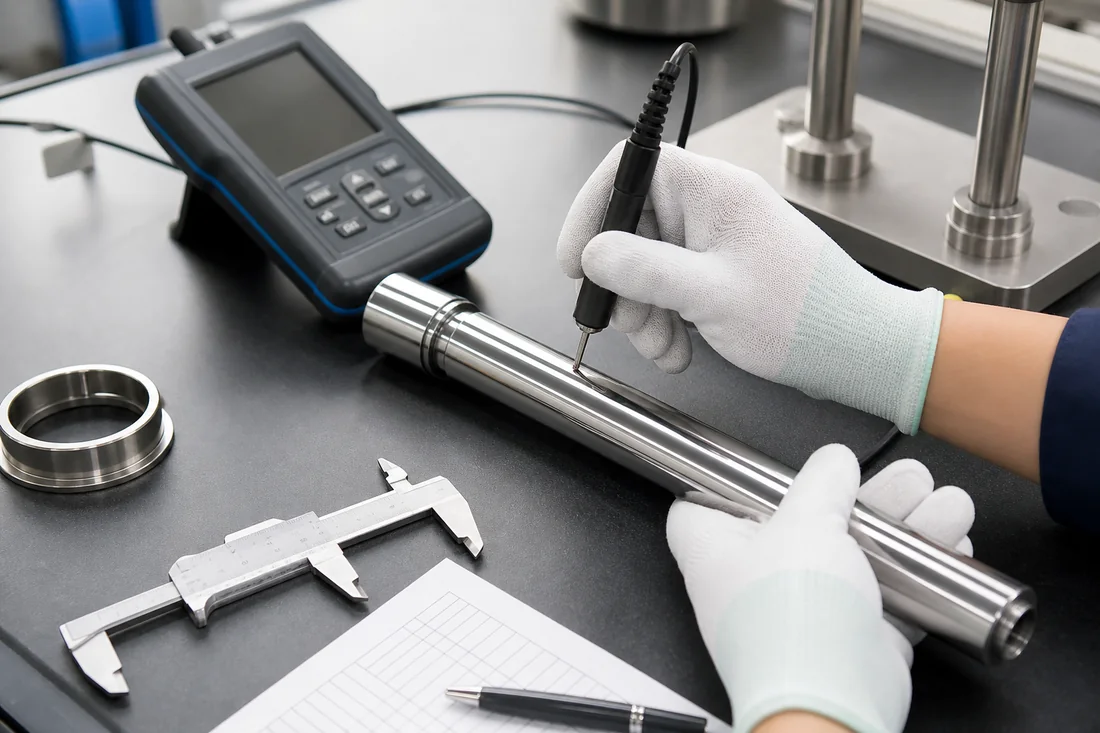
Which Documents Are Commonly Confused?
| Document | What it usually addresses | What to verify |
|---|---|---|
| Supplier declaration or certificate of conformity | Supplier’s statement that identified goods meet stated requirements | Issuer, product, order, requirements and authorization |
| Mill or material test certificate | Material identity and reported properties for a heat, lot or product form | Producer, grade, heat/lot, standard, results and traceability |
| Laboratory test report | Results for the submitted sample using stated methods | Sample identity, method, equipment, date, results and limits |
| Inspection report | Dimensions, appearance, magnetic values or other product checks | Drawing revision, sample size, method and acceptance decision |
| Third-party inspection release | Independent witness or verification within an agreed scope | Agency, scope, hold points, exclusions and report identity |
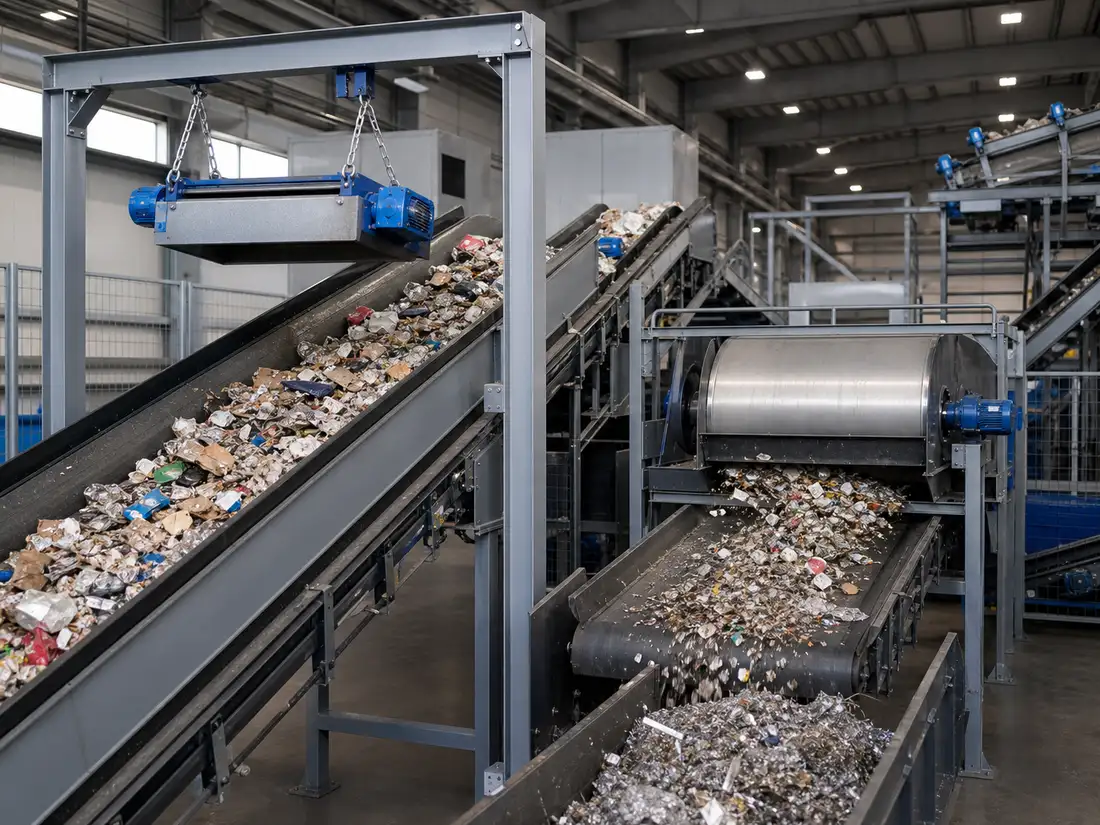
Build Traceability from Drawing to Raw Material
- Put the required material grade and standard on the approved drawing or purchase specification.
- Identify which components require certificates and which document type is contractually required.
- Record the raw-material heat or lot at receipt.
- Maintain identity through cutting, machining, welding, polishing, assembly and subcontract processing.
- Link finished part, assembly serial number or shipment lot back to the material record.
- Review and release the document package against the approved requirements.
If pieces are mixed after cutting and no transfer marking or controlled batch record exists, a genuine mill certificate may no longer prove which material was used in the finished separator.

Evidence by Magnetic Product Type
Magnetic tubes, grates and drawer magnets
- Tube shell, frame and housing material
- Food-contact fasteners, sleeves and seals where applicable
- Magnet grade or controlled magnetic-material specification
- Weld, surface-finish and passivation records when required
Magnetic drums and suspended magnets
- Shell, shaft, structural frame and critical fabricated parts
- Magnet material and magnetic inspection records
- Belt, motor, reducer, bearing and electrical-component documentation
- Coating, paint, lining or corrosion-protection system
Custom magnets and assemblies
- Magnetic grade and magnetic-properties report
- Coating specification and thickness/corrosion evidence where agreed
- Steel component grade, adhesive identity and assembly records
- Dimensional and magnetic acceptance report tied to drawing revision
Certificate Review Checklist
- Does the issuer have a documented relationship to the supplied material?
- Does the grade exactly match the drawing and purchase order?
- Is the material standard and edition stated where required?
- Do heat, lot, batch, order or part references connect to the shipment?
- Are reported values compared with the correct acceptance limits?
- Are alterations controlled and authorized?
- Does the document cover the correct product form and thickness?
- Can the supplier explain the traceability chain?
Common Failure Examples
- A certificate is for 304 sheet, while the approved drawing requires 316L contact parts.
- A valid certificate has no heat or batch link to the fabricated housing.
- A chemical-composition report is presented as proof of surface finish or corrosion resistance.
- A neodymium magnet report covers the base material but not the specified coating.
- A third-party logo is shown, but the report names a different sample or supplier.

Define Documents Before the Purchase Order
State each required document, issuer, inspection point, language, electronic format and submission timing. Decide whether approval is required before manufacture, before shipment or with the final data book. Late requests can be impossible to satisfy if heat identity or samples were not retained.
Trace the Certificate to the Finished Separator
| Decision rule | Accept material evidence only when the document can be connected through heat, batch, purchase and fabrication records to the actual product-contact or structural component. |
|---|---|
| Inputs to confirm | Drawing part number, required grade, heat or batch reference, supplier, certificate type, chemical and mechanical results, quantity and receiving inspection record. |
| Risk or limitation | A quotation that says SUS316 or a certificate for unlinked stock does not prove the grade of every delivered tube, housing, fastener or sleeve. |
| Buyer action | Create a part-to-document matrix and resolve missing traceability before approving the inspection dossier. |
How We Support Your Document Decision
How to Review Material Certificates for Magnetic Separators: seller-side application review
- Your procurement risk: A certificate, declaration or material report can name the wrong company, site, model or scope and still look convincing during supplier approval.
- What we review: We compare the quoted configuration, legal manufacturer, intended use, destination, applicable requirement, document issuer, validity and traceability.
- What we provide: We identify which project documents can come from OSENC, the selected manufacturing partner, a material supplier or a third-party body, and we state that source clearly.
- Buyer value: This helps you reduce approval risk, avoid accepting an irrelevant certificate and prevent a documentation gap from delaying import clearance after the equipment is built.
- Boundary: We do not convert a partner management-system certificate or component report into an unsupported OSENC or complete-machine compliance claim.
- Next step: Send the material and target, particle range, moisture, temperature, throughput, contamination, installation drawing, available space, cleaning preference and any sample or site video. Send the configuration and document requirement
Project Support
Need to verify documents before ordering?
Tell us the destination market, product configuration, required declaration, material document, safety requirement and intended operating environment before we confirm what can be supplied.
Frequently Asked Questions
Why is “Build Traceability from Drawing to Raw Material” important for this decision?
If pieces are mixed after cutting and no transfer marking or controlled batch record exists, a genuine mill certificate may no longer prove which material was used in the finished separator.
Why is “Define Documents Before the Purchase Order” important for this decision?
State each required document, issuer, inspection point, language, electronic format and submission timing. Decide whether approval is required before manufacture, before shipment or with the final data book.