
OSENC Magnetic Separation
Protect the Equipment and Make Handling Verifiable
Define packaging from the actual equipment mass, dimensions, center of gravity, lifting points, sensitivity, magnetic field, corrosion risk, route, handling method and storage period. State whether the unit ships assembled, partly disassembled, on a skid, in a crate, or secured directly in a container—and who is responsible at every transfer.
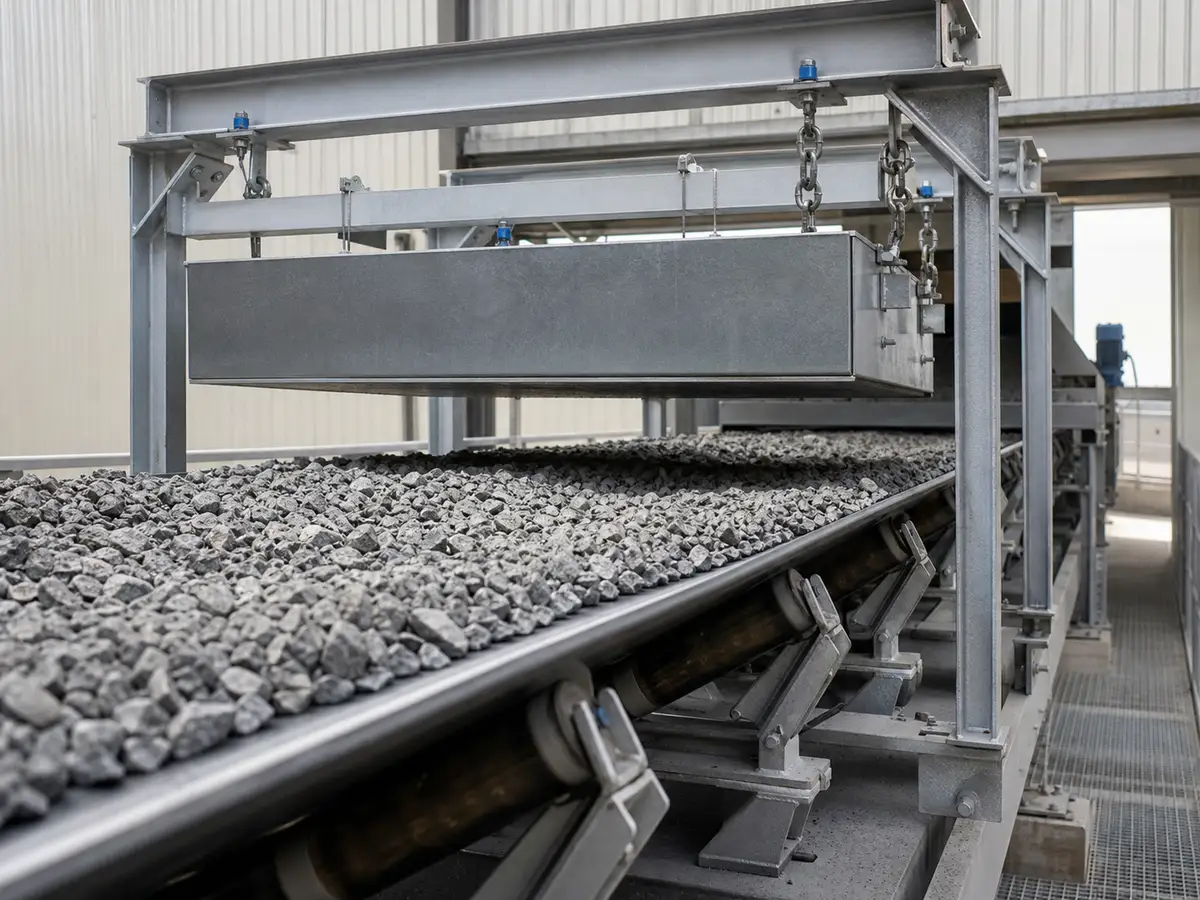
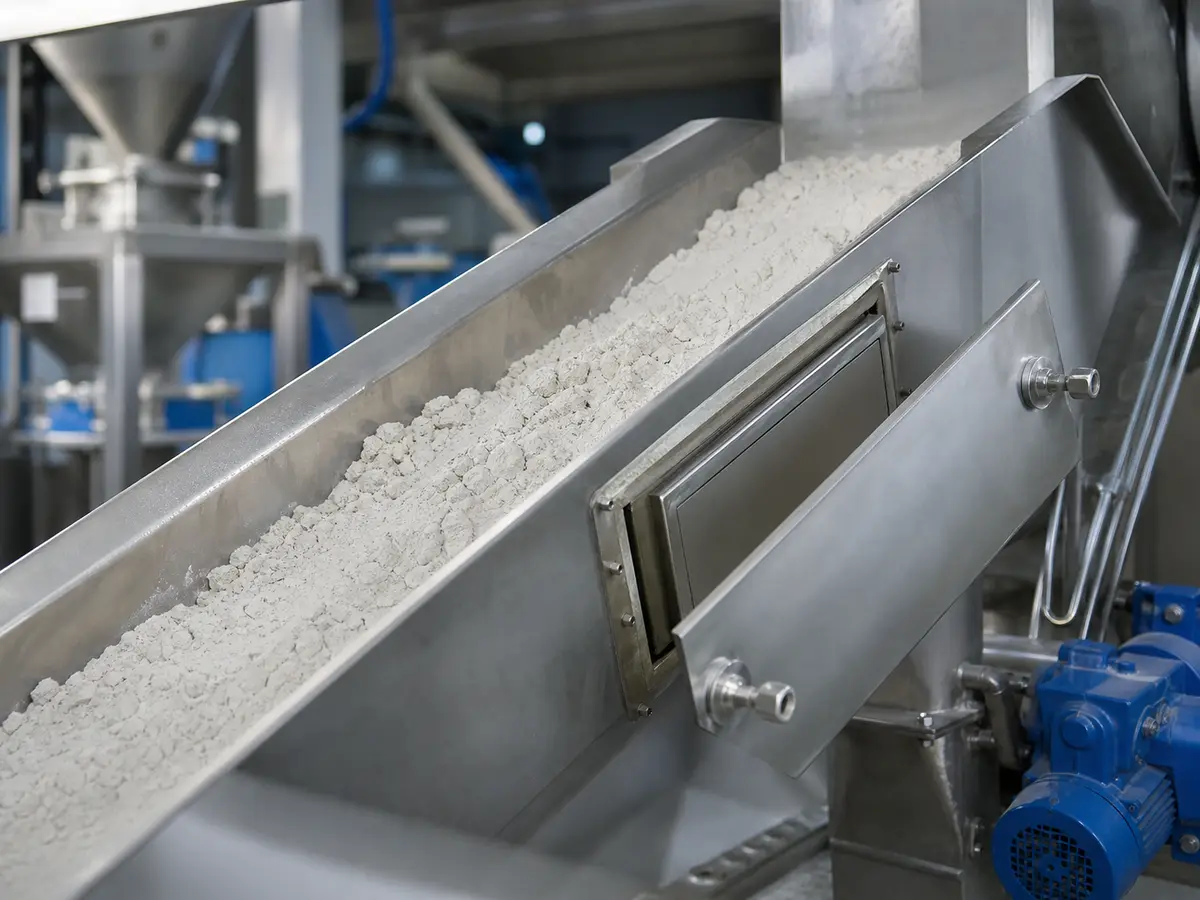
Start with a Shipping Data Sheet
- Equipment and package dimensions, net and gross mass
- Center of gravity, lifting points, fork pockets and prohibited handling points
- Largest and heaviest separated component
- Sensitive shafts, bearings, belts, sensors, surfaces and protrusions
- Magnetic attraction or stray-field precautions
- Route, transport modes, container limits, destination handling and storage
Choose the Packaging Structure
| Option | Potential use | Questions |
|---|---|---|
| Export crate | Smaller equipment or higher external protection | Wood compliance, lifting, ventilation, bracing and access |
| Steel or timber skid | Stable base for larger equipment | Anchor strength, corrosion, lifting and restraint |
| Direct container securing | Large assembled equipment | Lashing, blocking, weather and unloading |
| Partial disassembly | Reduce envelope or protect parts | Identification, reassembly, seals, alignment and loose items |
Protect Against Movement
Use appropriate blocking, bracing, anchors and restraints for transport and handling. Do not restrain through guards, shafts, belt surfaces, cabinets or other unapproved points. Lock or support moving assemblies and identify restraints that must be removed before operation.
Moisture and Corrosion Protection
Clean and dry the equipment; protect machined surfaces and openings with materials compatible with the product and storage period. Consider barrier film, desiccant, vapor-corrosion protection, capped interfaces and drainage without trapping moisture. State preservation removal and recommissioning steps.
Protect Magnetic and Mechanical Components
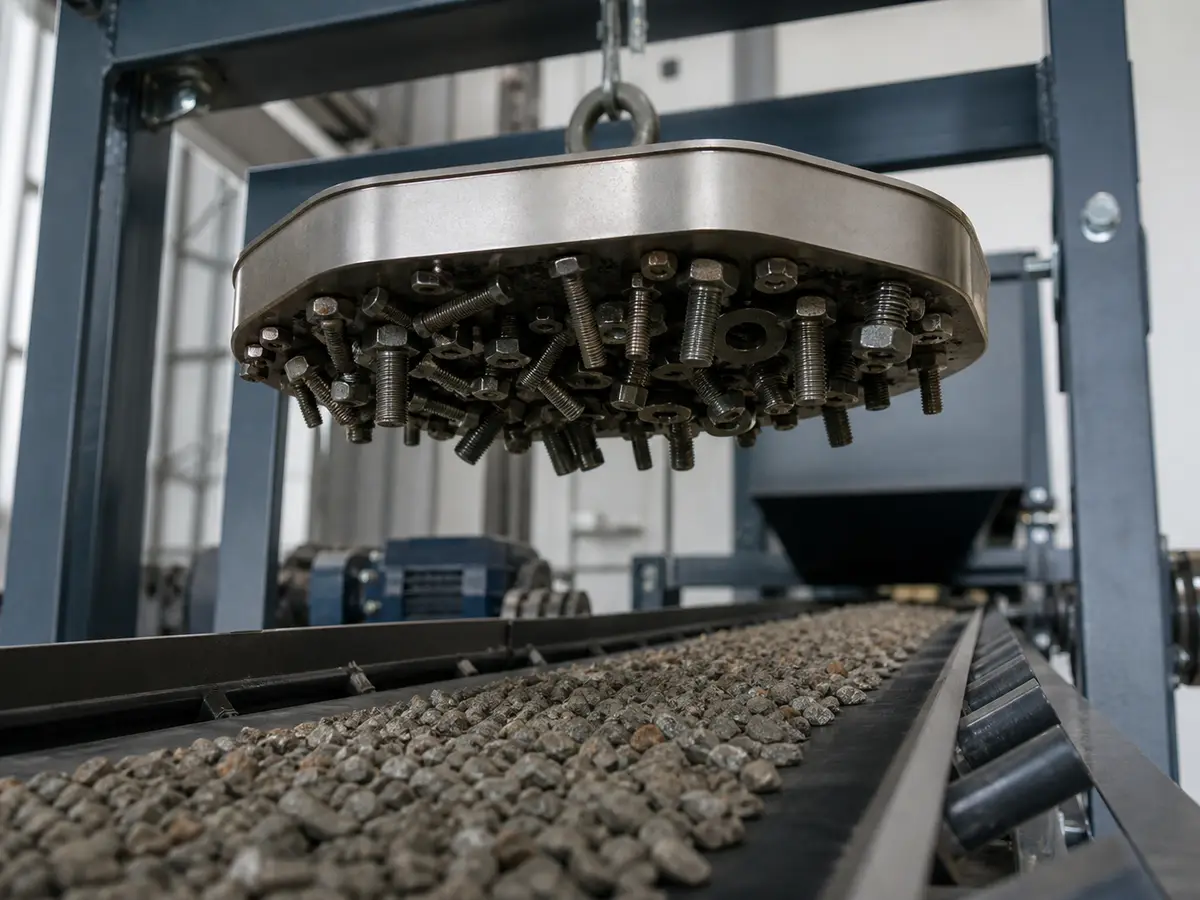
- Control loose ferrous hardware and tools around permanent magnets.
- Support shafts and bearings as required by their manufacturer.
- Protect belts, cleats, tubes, polished surfaces, probes and sensors.
- Prevent magnetic items from snapping onto exposed surfaces during unpacking.
- Assess transport rules for magnetic field and configuration where applicable.
Marking and Documents
Mark consignee/project, package number, gross/net mass, dimensions, center of gravity, lifting/fork points, orientation, keep-dry instruction and special hazards as applicable. Provide packing list, drawings, manual, preservation instructions, release record and loose-parts list through agreed channels.
Container Loading Record
Photograph equipment condition, preservation, wrapping, each restraint, closure, container condition, loading position and seal number. Make photographs traceable to package numbers rather than using generic marketing images.
Receiving Inspection
- Inspect package condition before unloading.
- Photograph damage, water, broken seals or displaced restraints.
- Use marked lifting points and the approved plan.
- Compare items with the packing list before discarding materials.
- Preserve evidence and notify responsible parties within contractual deadlines.
- Store according to preservation instructions.
Commercial Boundary
State Incoterm and named place, packaging included, loading responsibility, freight, insurance, customs, duties, unloading, claims route and transfer of risk. “CIF” or “door delivery” should not be assumed to include every destination charge or unloading activity.
Shipping Inputs That Change the Packing Plan
| Decision rule | Pack from equipment mass, center of gravity, lifting points, loose components, corrosion risk, magnetic leakage and destination handling—not from external dimensions alone. |
|---|---|
| Inputs to confirm | Equipment configuration, mass and dimensions, detachable parts, fragile surfaces, magnetized condition, route, mode, storage, container or crate and destination requirements. |
| Risk or limitation | Inadequate blocking can shift heavy equipment, while unverified magnetic leakage can delay air transport; moisture and unprotected machined surfaces create separate risks. |
| Buyer action | Approve packing drawings or photographs, lifting marks, item list, preservation method and carrier-specific documents before dispatch. |
What We Need to Configure This Project
Input set for Magnetic Separator Packaging and International Shipping Checklist
- How we use your data: We compare your material, contamination risk, production target and line interface before we configure a proposal or rule out an unsuitable option.
- Material: name and composition; dry or wet; powder, granule, lump, fibre or slurry; minimum, maximum and typical particle distribution; moisture, stickiness, tendency to cake or bridge, abrasiveness, corrosiveness, bulk density, normal temperature and maximum temperature.
- Production and target: normal and peak throughput, continuous or batch feed, feed uniformity, contaminant or recovery target, magnetic response if known, typical and maximum target size, initial concentration, acceptable residual and whether product loss is permitted.
- Installation: installation position, interface dimensions and standards, flow direction, available operating, cleaning, lifting and maintenance space; cleaning method, permitted shutdown, contact-material, wear and corrosion requirements; indoor, outdoor, washdown, high-humidity, dusty or hazardous-area conditions.
- Supporting project files: power supply, voltage, frequency, phase, controls, air supply and pressure where applicable; destination country; current drawings, site photographs, running video and a representative material/contaminant sample when testing is needed.
- What you receive next: We use the confirmed inputs to prepare a project-specific drawing and inspection plan. We do not treat performance as confirmed until the agreed design and any required representative test or site acceptance establish the result.
Project Support
Need documents, testing support or after-sales help?
Send your order reference, product details, application condition, requested document and supporting photos or videos so we can route the request correctly.
Frequently Asked Questions
Why is “Protect Against Movement” important for this decision?
Use appropriate blocking, bracing, anchors and restraints for transport and handling. Do not restrain through guards, shafts, belt surfaces, cabinets or other unapproved points.
Why is “Moisture and Corrosion Protection” important for this decision?
Clean and dry the equipment; protect machined surfaces and openings with materials compatible with the product and storage period.
Why is “Marking and Documents” important for this decision?
Mark consignee/project, package number, gross/net mass, dimensions, center of gravity, lifting/fork points, orientation, keep-dry instruction and special hazards as applicable.