
Recycling Magnetic Separator for Scrap, Plastic, Glass, and Mixed Waste Lines
A recycling magnetic separator removes ferrous metal from mixed material streams to protect crushers, granulators, screens, and sorting equipment.
Recycling material is often unpredictable. Nails, wire, bolts, caps, sheet iron, and small ferrous pieces can appear after shredding or crushing. OSENC reviews material type, line position, belt width, metal size, and available installation space before recommending a suspended magnet, magnetic drum, grate, or fine-stage separator.
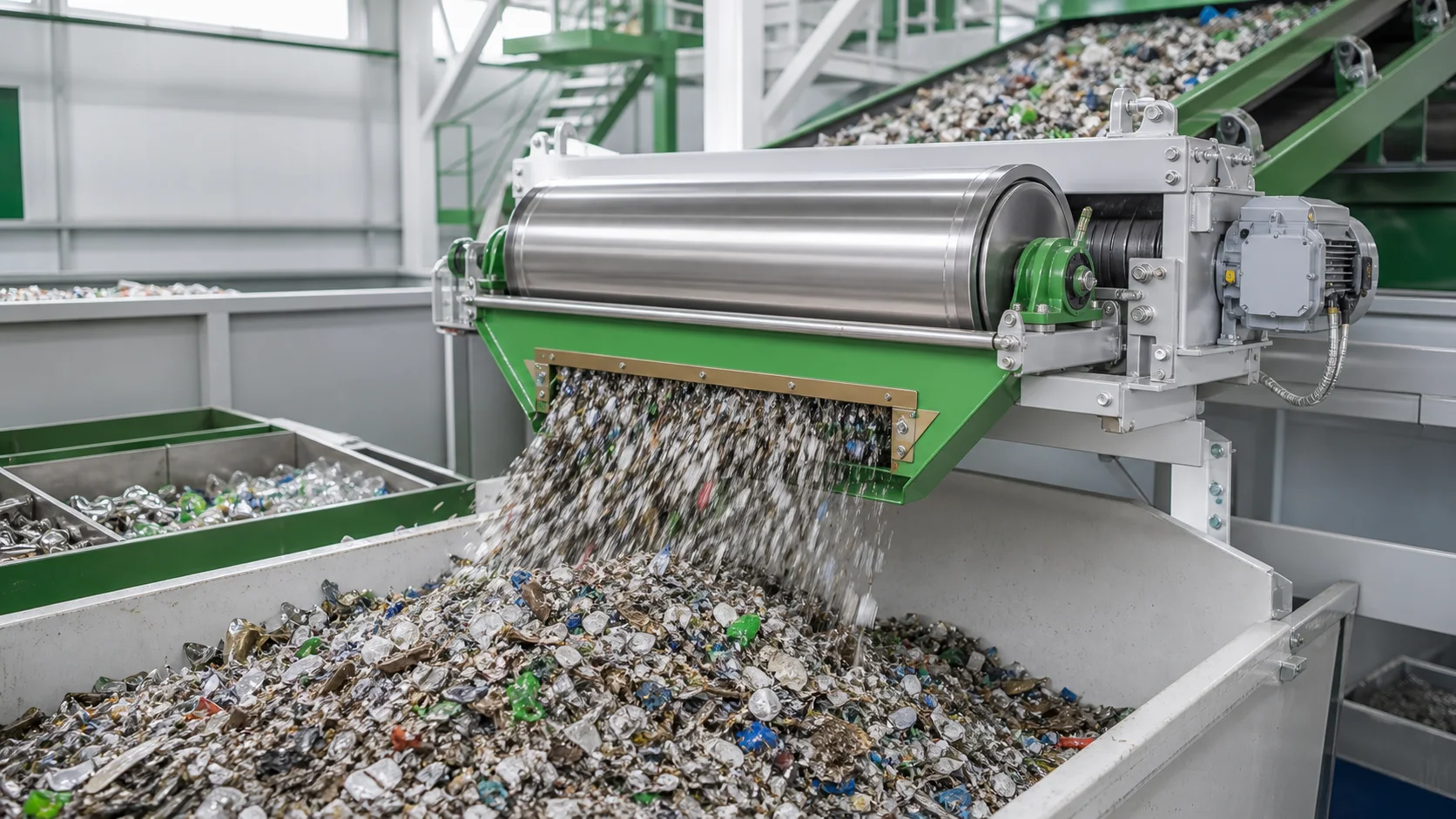
Protect granulators and improve pellet or flake cleanliness before extrusion, washing, or packing.
Remove caps, wire, nails, steel fragments, and mixed ferrous pieces from crushed or screened streams.
Use staged separation when material size and exposed iron change after shredding or crushing.
Recycling Line Applications
Recycling lines change after crushing, shredding, and screening. Photos or video help confirm where each magnetic separator should be placed.
Recommended Equipment by Line Position
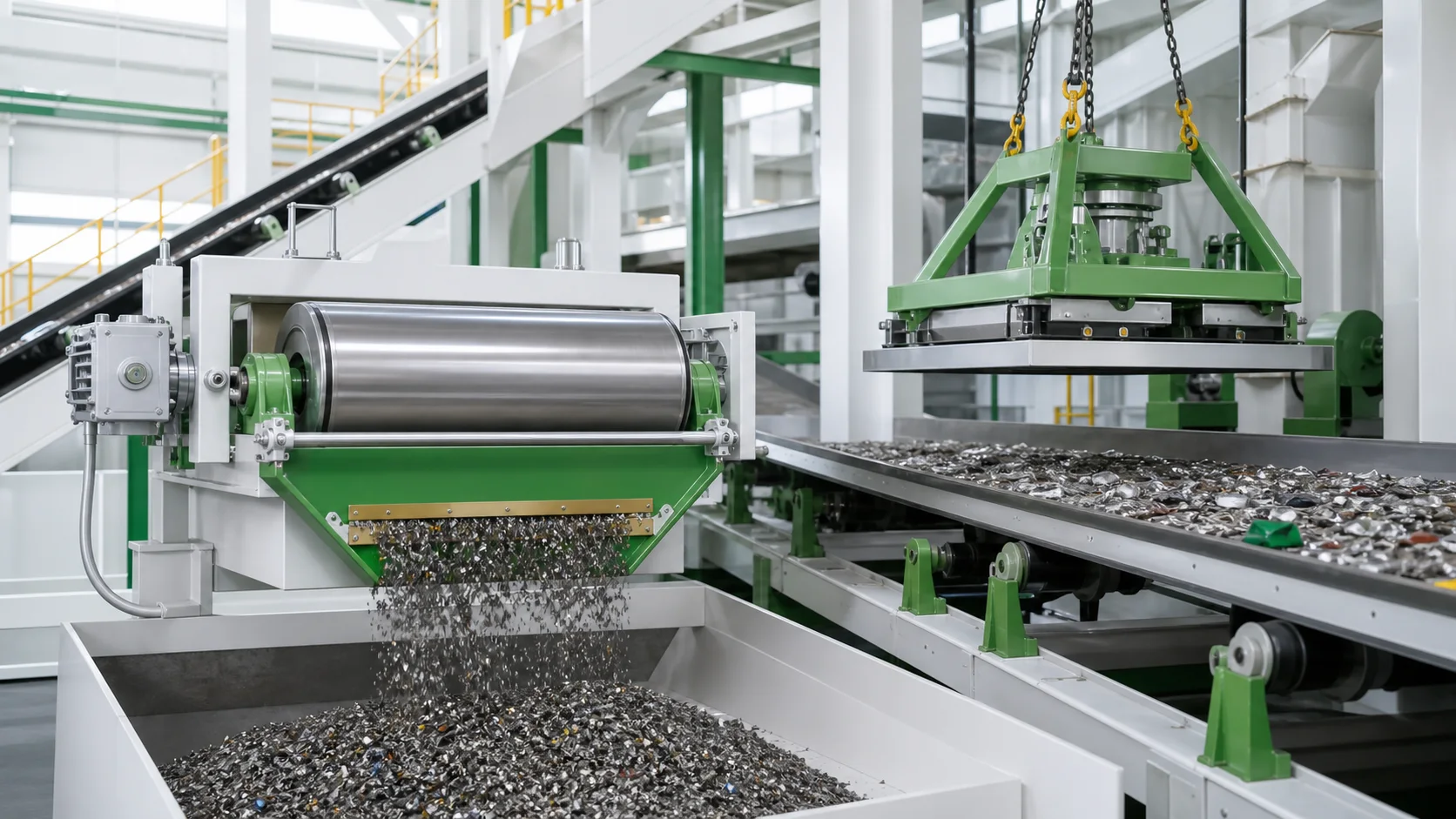
Before a crusher, a suspended magnet is often practical because it can remove larger tramp iron from material moving on a conveyor. After a shredder, either a suspended magnet or magnetic drum may fit, depending on how the material discharges.
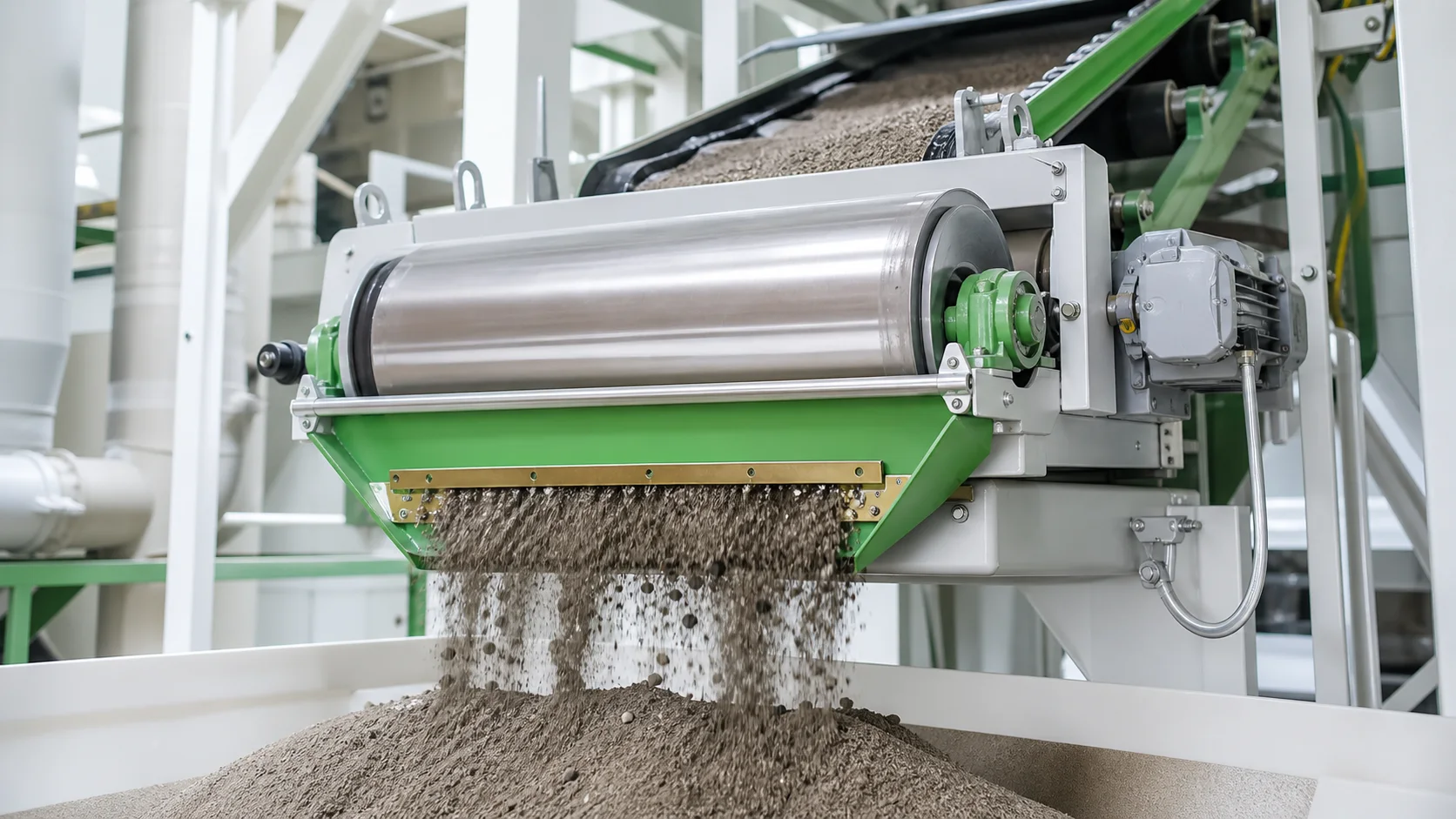
At a discharge point, a magnetic drum can provide continuous separation. For hopper or fine granule flow, OSENC may review a magnetic grate, drawer magnet, or rare earth bar assembly.
Selection Points for Recycling Lines
| Material Type | Plastic flakes, glass cullet, scrap tailings, construction waste, wood recycling, and mixed dry waste need different separator layouts. |
|---|---|
| Material Size | Large pieces, wire, fine granules, and mixed crushed material expose iron differently. |
| Belt Width and Speed | These decide magnet width, suspension height, and whether captured iron can be removed cleanly. |
| Contamination Type | Long wire, nails, caps, bolts, sheet iron, and fine iron do not behave the same during separation. |
| Installation Space | Recycling lines are crowded. Photos help confirm frame space, cleaning path, and discharge direction. |
Typical Recycling Line Layout
Many recycling lines start with a suspended magnet to remove large tramp iron before the crusher or shredder. After material size is reduced, a magnetic drum can improve separation at the discharge point. For plastic pellets, glass fines, or smaller streams, a rare earth grate or bar assembly may be used as a final cleaning stage.
The equipment should also allow a clear cleaning path. Captured metal needs somewhere to go without falling back into the clean material stream.
What To Send For a Recycling Recommendation
Line Information
- Line position, photos, or short video
- Capacity per hour and conveying method
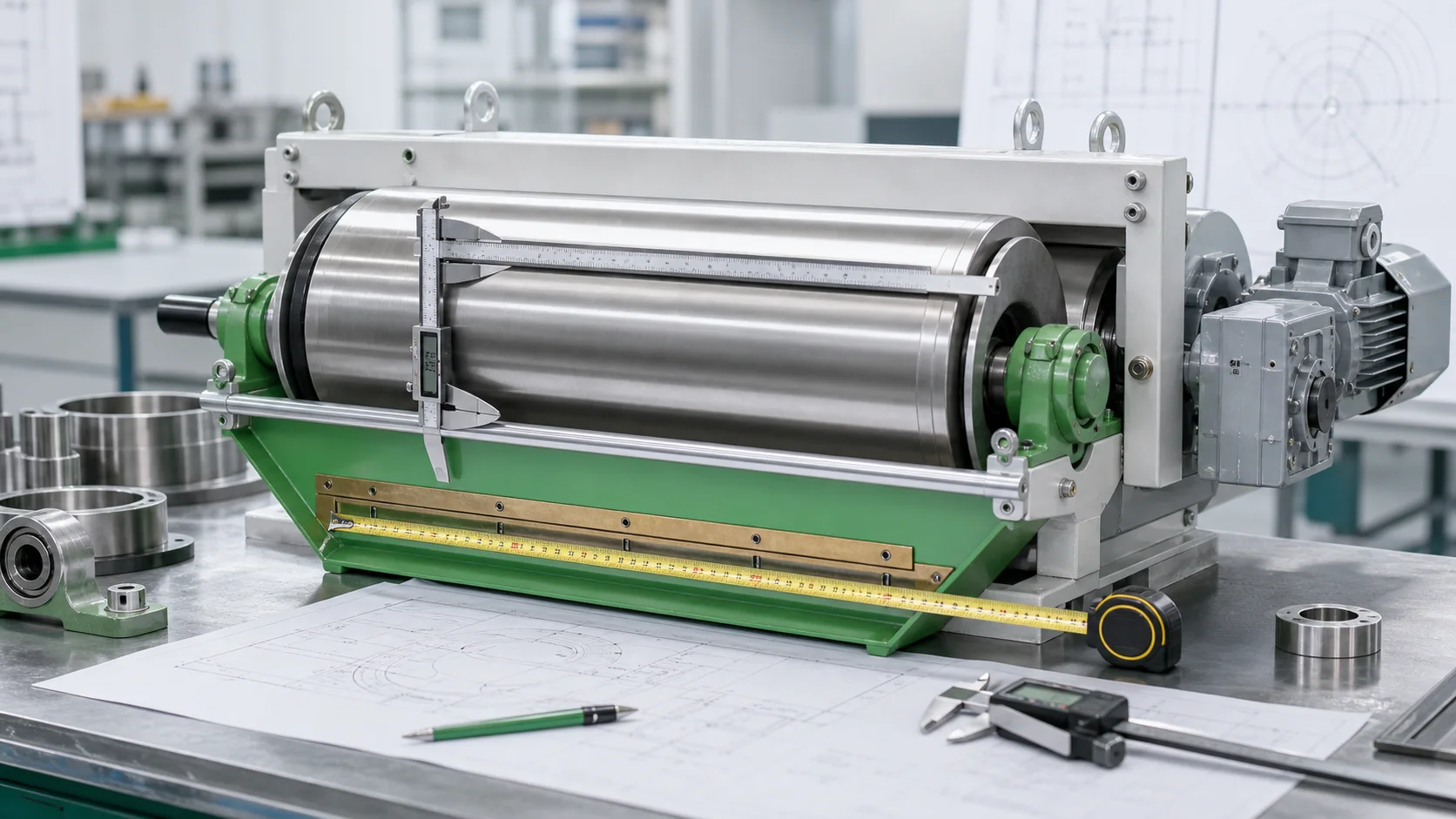
- Belt width, chute size, and material depth in mm or inch
- Available installation and cleaning space
- Need continuous iron discharge or manual cleaning
Material Information
- Recycling material type and dry or wet condition
- Material size range and moisture
- Iron type, shape, photos, and estimated proportion
- Target: protect equipment, improve purity, or recover ferrous scrap
- Dust, corrosion, high temperature, or flammable risk
What This Page Does Not Cover
| Ferrous Iron Removal | This page focuses on removing ferrous metal such as nails, bolts, wire, steel pieces, and iron scrap. |
|---|---|
| Aluminum or Copper | Aluminum and copper are non-ferrous. They are not removed by a normal drum magnet or suspended magnet and may need eddy current or other sorting equipment. |
| Stainless Steel Sorting | Stainless steel behavior depends on grade and magnetism. Do not treat stainless sorting as the same as ordinary ferrous removal. |
| Wet or Dirty Material | Wet, sticky, oily, or heavily mixed waste needs extra review because captured iron may not release cleanly and material may build up. |
Recycling Magnetic Separator FAQ
Which magnet is best before a crusher?
A suspended magnet is usually practical before a crusher when material is on a belt and larger tramp iron is the risk.
Where does a magnetic drum fit in recycling?
It works well at discharge points or after shredding when material can pass across the drum and separate into clean and iron discharge paths.
Can one separator clean all recycling material?
Not always. Some lines need staged separation because material size and iron exposure change through the process.
Request a Recycling Magnetic Separator Recommendation
Send scrap type, particle size, belt width, capacity, iron shape, installation point, and target result. OSENC will help confirm whether the line needs a suspended magnet, magnetic drum, or staged separation.